 When Mrs Ojoma Adehi left her banking job in 2020, many thought she was making a mistake. The Nigerian economy was in a tailspin. COVID-19 lockdowns had shut down businesses, inflation was spiraling, and food insecurity was rising. But for Ojoma, it was a moment of awakening.
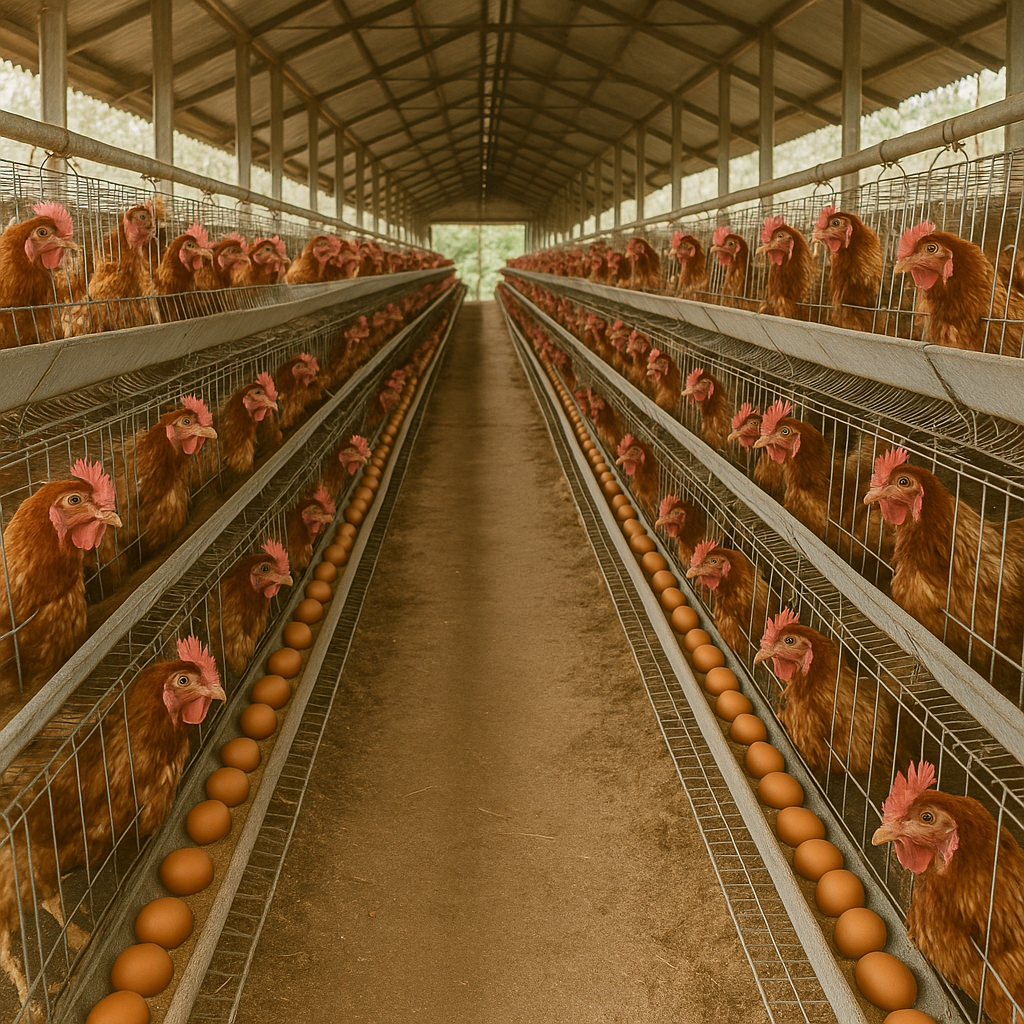
“I knew I had to do something that would feed my family and possibly others,” she said, standing in the middle of her now, thriving poultry farm on the outskirts of Ankpa LGA of Kogi state. Chide Farms depict poultry farming “eggs and chickens in cages”, which is consistent with typical poultry-farming facilities “Banking gave me a salary, but farming gave me a purpose.”
Her story is one of courage, sacrifice, and grit in the face of Nigeria’s economic headwinds. With her savings and the proceeds from selling her car, she leased a piece of land and started small, with just 200 birds, a few feeders, and sheer determination. She named the farm Chide Farms, short for “Ojochide” the Igala word for God Guide.
But the journey was anything but beautiful.
Navigating a Harsh Economic Terrain
By 2022, the economic situation had worsened. The price of poultry feed skyrocketed as maize and soybeans became scarce due to insecurity in farming regions. Diesel, needed to power water pumps and incubators, surged past ₦1,200 per litre. Imported vaccines and medications doubled in price following the naira’s depreciation.
“It felt like the entire system was working against us,” she recalled. “I lost over 500 chicks in one month because I couldn’t afford the right vaccines.”
For a while, Ojoma contemplated giving up. But her turning point came when she began seeking local alternatives and collaborating with agricultural cooperatives. She partnered with a local feed processor who supplied at subsidized rates and tapped into an online marketplace where customers could pre-order eggs and live birds, giving her a steady stream of cash flow.
She also adopted solar energy to cut dependence on diesel and turned to natural remedies to reduce veterinary costs.
Today, Ojoma Farms manages over 5,000 birds, employs 12 permanent staff, and supports a network of more than 30 small vendors including egg hawkers, feed millers, and veterinary service providers. Her weekly outreach, offering discounted eggs to widows, students, and low-income families, has earned her recognition in the community.
More Than Profit
For Ojoma, it was never just about making money. “We’re producing more than eggs. We’re producing dignity,” she said. “People here now believe they can build something of their own, even with little.”
One of her workers, 22-year-old Enemona Emmanuel , shared how the job saved him from street hawking. “Before I started here, I was selling sachet water at traffic junctions. Now, I’m learning how to manage livestock, and I hope to start my own farm someday,” he said.
Even amid challenges, she’s training others, particularly women and unemployed youth, on poultry basics. “If you empower a woman with 50 birds and she sells eggs every week, you’ve changed a household,” she noted.
Experts Weigh In
Agricultural experts believe that stories like Ojoma’s show both the fragility and potential of Nigeria’s food production system.
“Poultry farming remains one of the most affected by Nigeria’s inflation and poor infrastructure, but it also offers the quickest return on investment when managed well,” said Alhassan Adehi, an agricultural economist. “Her success is not typical, but it is possible with community support, innovation, and policy alignment.”
Adehi emphasized the need for targeted intervention: “If the government provides access to affordable feed and credit, the poultry sub-sector can create millions of jobs and stabilize protein availability.”
Looking Ahead
In June 2025, Ojoma secured a grant from a private agritech initiative focused on sustainable farming. She plans to install a biogas digester that will convert poultry waste into clean energy—cutting down her energy costs and contributing to environmental sustainability.
Despite the odds, she remains hopeful. “I believe Nigeria will get better,” she said, gently collecting freshly laid eggs into a basket. “But we can’t wait for everything to be perfect. We must start building with what we have.”
In a country where rising prices and broken systems often snuff out small dreams, Ojoma’s poultry farm stands as a testament to what’s possible when resilience meets purpose. It is a reminder that while Nigeria’s economy may be harsh, its people remain resourceful, determined, and full of promise.
She’s not just raising chickens, she’s raising a new narrative.
@2025 The Ameh News: All Rights Reserved
Discover more from Ameh News
Subscribe to get the latest posts sent to your email.