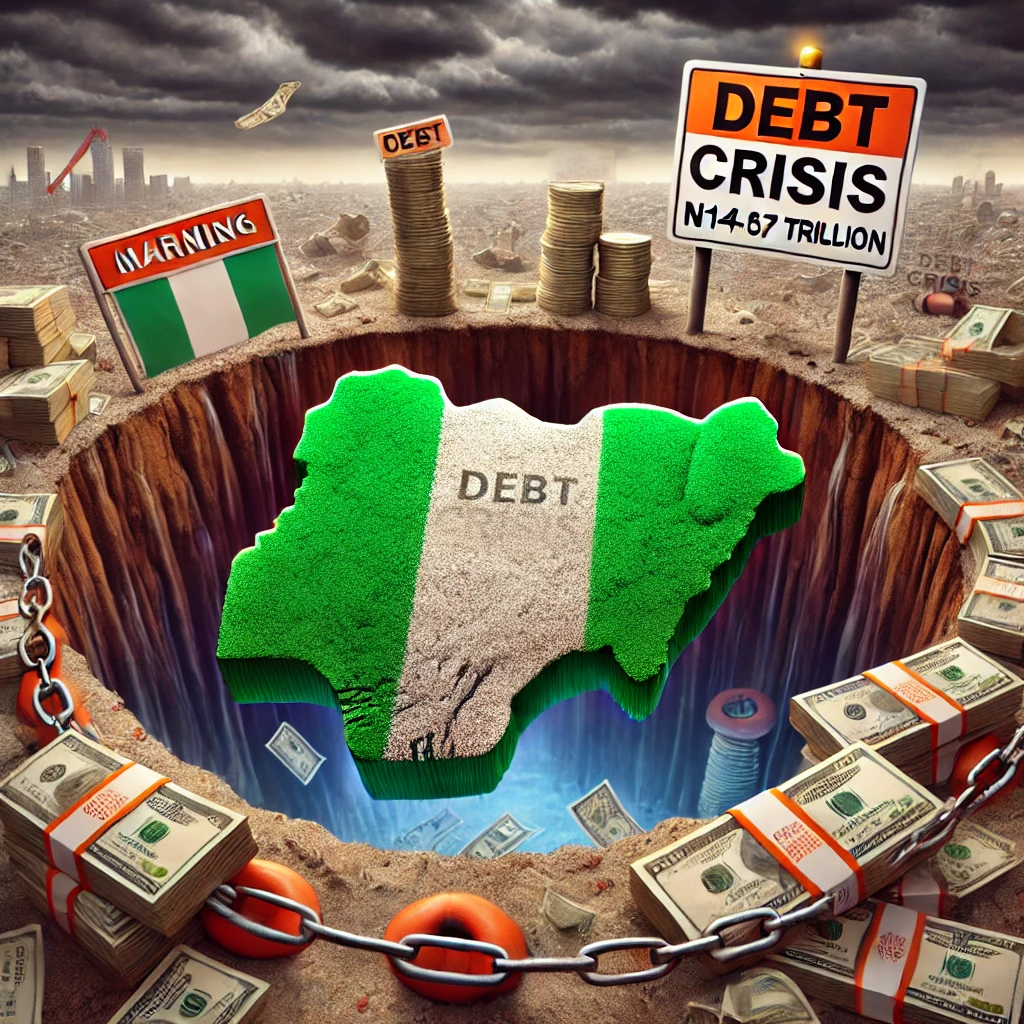
 Nigeria’s total public debt has crossed ₦145 trillion, with the Senate recently approving an additional $21 billion in new loans , deepening concerns over the country’s fiscal health and what it means for ordinary citizens.
While government borrowing is not unusual, and often necessary for national development, financial experts warn that Nigeria’s rising debt, coupled with a steadily weakening naira, is creating real risks for households and small investors.
Mounting Debt, Minimal Impact
Despite repeated assurances from government officials, many Nigerians say they are yet to feel the impact of these loans in their daily lives.
A schoolteacher in Ibadan, says she is tired of hearing about trillions borrowed with little to show for it. “The schools are overcrowded, healthcare is expensive, and food prices go up every week,” said. “How can they borrow this much and we still suffer like this?”
Experts Raise Red Flags
Economist and public finance analyst, Dr. Tunde Akintayo, agrees. “Borrowing is not inherently bad. The real issue is what we’re borrowing for,” he said.
Akintayo argues that while infrastructure like roads and bridges are important, Nigeria’s long-term economic stability depends on investments in education and healthcare. “That’s what builds a productive population. That’s how China did it. Not just with ports and highways — but by educating their people.”
Currency unstable, Assets on the Rise
While Nigeria continues to borrow, another worrying trend is unfolding: the value of the naira is shrinking, and this has direct consequences for citizens who hold most of their savings in cash.
Financial advisor explains: “When you see real estate or stocks going up, many times it’s not because they are gaining value, it’s because the naira is losing value.”
Expert emphasizes the need for Nigerians to shift from holding cash to owning income-generating assets like real estate, stocks, or dollar-based investments. “It’s the only way to protect your wealth when inflation and currency depreciation hit hard,” said.
From Survival to Strategy
This shifting landscape is sparking renewed interest in financial education. Classes like the upcoming Online Market Class are helping Nigerians better understand investment opportunities, especially in the stock market, as it adjusts to both local and global economic forces.
“We can’t control government borrowing,” said Oyenuga, “but we can control what we do with our money.”
With Nigeria’s debt ballooning and the naira losing value, experts say now is the time for everyday Nigerians to take control of their personal finances, rethink their savings strategies, and invest in assets that can withstand inflation.
As Dr. Akintayo puts it: “You may not be able to stop the rain, but you can build a roof. And in today’s economy, that roof is financial literacy and smart investing.”
Discover more from Ameh News
Subscribe to get the latest posts sent to your email.