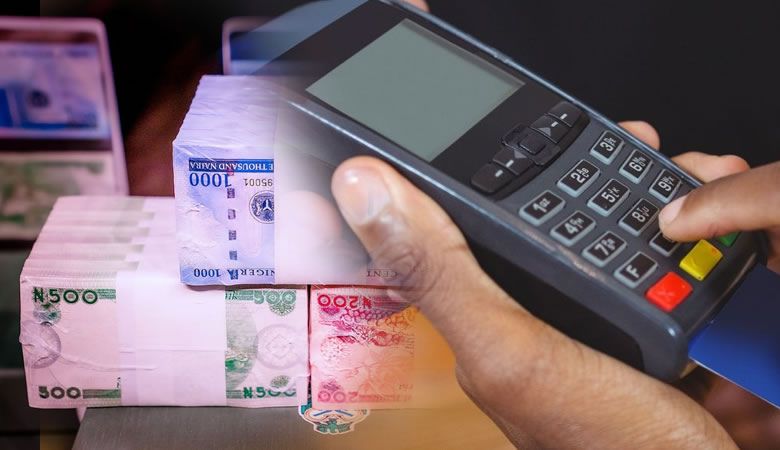
 Nigeria’s transition to a cashless economy is accelerating at a record-breaking pace. According to fresh data released by the Nigeria Inter-Bank Settlement System (NIBSS), electronic payment transactions rose by 24.4% year-on-year, reaching a staggering ₦295.5 trillion in the first quarter of 2025.
The report shows that more than 2.2 billion digital transactions were recorded during the period, underscoring a nationwide shift in payment behavior. Instant payments led the charge, accounting for ₦285 trillion, while Point-of-Sale (PoS) terminals contributed ₦10.5 trillion.
The surge reflects a significant transformation in Nigeria’s financial ecosystem, as more individuals and businesses turn away from cash in favor of faster and more secure digital alternatives.
“This is a quiet revolution in how Nigerians interact with money,” said Uchenna Okoye, a Lagos-based fintech analyst. “Digital payments are no longer just an option—they’re becoming the standard.”
The growth has been driven by several key factors, including increased smartphone penetration, expanding internet access, and the Central Bank of Nigeria’s sustained push for a cashless economy. In recent years, fintech startups and traditional financial institutions have also ramped up efforts to offer more user-friendly and inclusive digital platforms.
Experts say the trend is helping bridge the financial inclusion gap, especially in rural areas where conventional banking infrastructure is limited. Small businesses, market traders, and everyday consumers are increasingly relying on mobile transfers and PoS terminals for daily transactions.
Despite the progress, challenges such as inconsistent power supply, internet connectivity issues, and cybersecurity concerns continue to pose hurdles to wider adoption. Nonetheless, industry stakeholders remain optimistic.
“Nigeria is positioning itself as a leader in digital finance on the continent,” said Okoye. “The numbers clearly show that the future of money in Nigeria is digital—and that future is already here.”
With the cashless revolution gaining speed, analysts predict electronic transactions will continue to rise sharply in the coming quarters, reshaping the country’s financial landscape and opening new economic opportunities for millions.
Discover more from Ameh News
Subscribe to get the latest posts sent to your email.