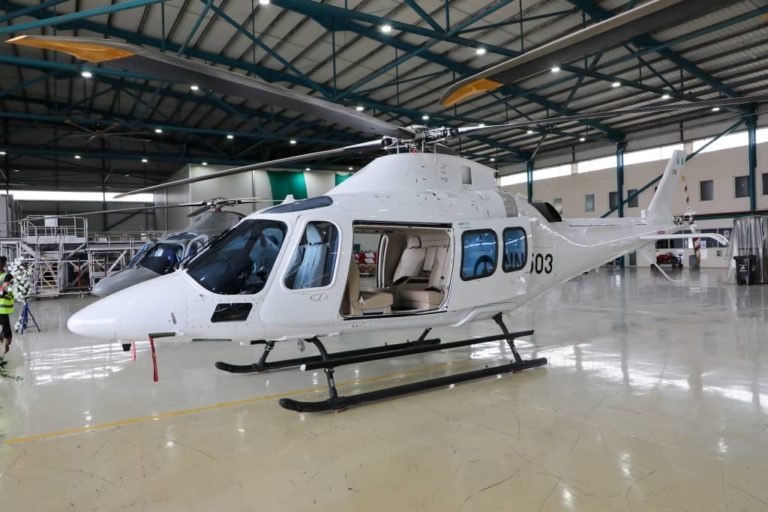
 A major controversy is stirring in Nigeria’s aviation sector following the Federal Government’s introduction of a $300 landing levy on helicopter operations. The decision, which has sparked widespread criticism from industry stakeholders, was the focus of a revealing interview on Tuesday featuring two respected aviation professionals , Dr. Alex Nwuba, President of the Aircraft Owners and Pilots Association of Nigeria, and Captain Ado Sanusi, former Managing Director of Aero Contractors.
The experts described the new levy as arbitrary, ill-timed, and potentially damaging to a sector already grappling with operational costs, regulatory inconsistencies, and post-pandemic recovery challenges.
“This kind of levy is not sustainable for the aviation sector,” Dr. Nwuba said. “Helicopter operations are not just about commercial flights, they serve vital roles in oil and gas logistics, medical evacuation, and disaster response. Introducing a $300 charge per landing without stakeholder engagement sends the wrong signal.”
The levy, reportedly issued through the Nigeria Civil Aviation Authority (NCAA), is part of the Federal Government’s drive to boost non-oil revenue. However, many industry players argue that the policy could backfire by increasing operational costs, reducing access to remote areas, and discouraging investment in the aviation sector.
Captain Sanusi, known for his leadership in the sector, echoed the concerns.
“We’re not against revenue generation,” he said. “But you can’t impose blanket charges without considering their implications. A helicopter doesn’t land at an airport for luxury, it’s often for necessity, especially in Nigeria’s hard-to-reach regions. This levy, if not reviewed, could limit access to critical services.”
Operators Push Back
The Helicopter Operators Association of Nigeria (HOAN) has also voiced strong opposition, warning that the policy could jeopardize the financial viability of smaller operators and lead to increased service costs across vital industries such as oil and gas.
Industry analysts say the potential fallout could be far-reaching. Celestine Ukpong, an aviation economist, noted that the fee could increase overall operational costs by up to 30%, with most of the burden falling on service providers and, ultimately, consumers.
“It’s a short-sighted move,” Ukpong said. “The cost increase will affect everyone from oil companies to emergency medical services. In the long run, the policy could reduce helicopter flight volumes and negatively affect the government’s own revenue targets.”
Calls for Dialogue
The policy has renewed calls for the government to adopt a more consultative approach to aviation regulation. Both Nwuba and Sanusi urged the authorities to open channels of dialogue with industry players and consider alternatives that promote growth rather than stifle it.
“This sector thrives on efficiency, predictability, and collaboration,” said Captain Sanusi. “Imposing new levies without industry input is a step backward.”
What’s Next?
As pressure mounts on the Federal Government and regulatory bodies to suspend or review the policy, aviation stakeholders continue to call for urgent reforms that will support sustainable growth. With Nigeria’s economy heavily dependent on sectors supported by air logistics, many believe the stakes are too high for missteps.
Unless reviewed, experts warn that the $300 helicopter levy could disrupt critical services, reduce investor confidence, and push Nigeria’s already fragile aviation ecosystem closer to crisis.
Discover more from Ameh News
Subscribe to get the latest posts sent to your email.