 Transport safety experts and key industry stakeholders have called on the Federal Government to grant full operational and financial autonomy to the Nigerian Safety Investigation Bureau (NSIB), saying the move is critical to enabling swift and independent investigations across Nigeria’s air, rail, maritime, and road transport systems.
The call was made during a high-level multimodal transportation stakeholders’ workshop held in Abuja, where participants emphasized the need to strengthen NSIB’s independence in line with international best practices. The Bureau, they argued, needs greater authority and resources to conduct timely investigations and issue credible safety recommendations free from political interference.
“If the NSIB is to function effectively and command public trust, it must operate independently,” said a transport policy analyst. “Autonomy is not just about funding, it’s about removing administrative roadblocks that delay life-saving investigations.”
Bureaucracy Slowing Investigations
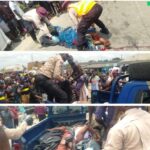
The conversation was sparked by renewed concern over delays in releasing accident investigation reports, especially in cases involving national infrastructure and public transport. Though the NSIB is technically mandated to begin investigations within seven days of any serious incident, stakeholders say unnecessary bureaucracy continues to undermine the process.
Speaking at the event, the Minister of Aviation and Aerospace Development, Festus Keyamo SAN, conveyed President Bola Ahmed Tinubu’s directive to the Bureau to eliminate delays and ensure faster report turnarounds.
“The President has made it clear, investigation reports must be released without delay,” Keyamo said. “We are committed to supporting the NSIB with increased resources and pushing for reforms that allow it to function like its global peers, particularly the U.S. National Transportation Safety Board (NTSB).”
He added that efforts were already underway to integrate NSIB’s recommendations into national safety policies, especially within the aviation sector, which has reportedly seen improvements in areas such as runway safety and fatigue management.
Experts Call for Legislative Backing
Experts at the workshop argued that full legislative backing is needed to insulate NSIB from political pressures and ensure its findings are implemented across sectors.
“The NSIB must not be seen as an extension of any ministry, it should stand alone, empowered by law to do its work independently,” said an aviation safety consultant. “Without that independence, its credibility and effectiveness remain at risk.”
In addition to pushing for autonomy, speakers also recommended the establishment of inter-ministerial task forces to track the implementation of NSIB’s safety recommendations in real time.
NSIB’s Plans for Reform
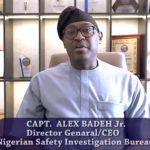
Responding to the calls, NSIB Director General, Captain Alex Badeh Jnr, affirmed the Bureau’s commitment to aligning with international standards. He disclosed that three new draft safety regulations are currently under review:
- Railway Accident Investigation Regulations
- Maritime Safety Investigation Regulations
- Revised Civil Aviation Accident Investigation Regulation
“We are working to modernize our regulatory framework to match global standards, but we also need the institutional backing to enforce them effectively,” Badeh said. “Autonomy is not optional, it is essential.”
He noted that transport systems are increasingly interconnected, and that NSIB’s scope must be supported by cross-sectoral cooperation to prevent system-wide risks.
The Way Forward
The workshop concluded with a communique calling for urgent legislative and executive action to grant the NSIB full autonomy, ensure sustained funding, and empower it to enforce safety protocols across all transport modes.
“What we need now is political will,” said a maritime risk analyst. “Families who lose loved ones in preventable accidents deserve better. This is about accountability and building a safer Nigeria.”
As calls grow louder for the NSIB’s independence, stakeholders are hopeful that the federal government will act swiftly to enshrine the necessary reforms, turning the Bureau into a truly impartial safety watchdog capable of saving lives through timely action and credible findings.
@2025 The Ameh News: All Rights Reserved
Discover more from Ameh News
Subscribe to get the latest posts sent to your email.