 Two years after the sweeping economic reforms of 2023, Nigeria’s optimism is giving way to public frustration. The policies were meant to stabilise the economy and draw in investment, but their unintended consequences are squeezing consumers while governments risk drifting off course.
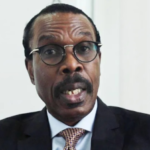
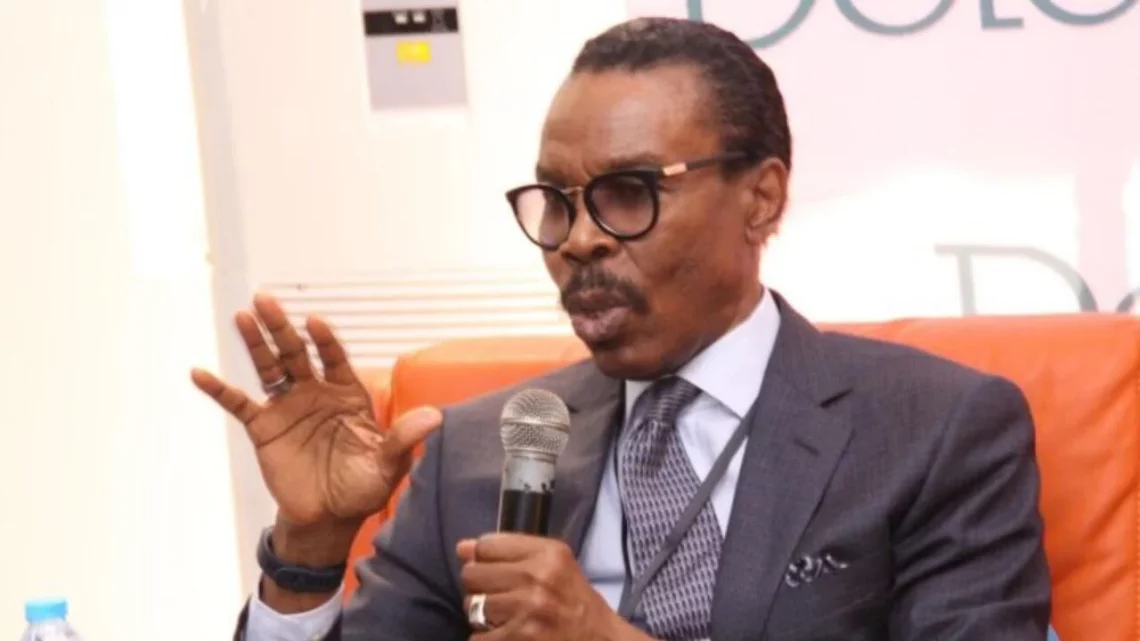
At the Lagos Business School (LBS) Breakfast Session, economist Bismarck Rewane and the Financial Derivatives Company (FDC) think tank unpacked the latest economic indicators. Their verdict: one of the clearest signs of policy reversal is in aviation.
Nigeria has 33 airports, yet only four are commercially viable. Instead of consolidating and privatising, as many countries do, state governments are building more airports and launching their own airlines.
It’s an expensive gamble. California, with a $4.1 trillion GDP “16 times Nigeria’s” has just 25 airports. The U.S. state’s income per capita is about $88,000; Nigeria’s is closer to $1,000. Despite this vast gap, Nigerian states are throwing billions into aviation projects with poor returns. One state reportedly spent ₦53 billion on an airport that earns only ₦100 million a year from its concessionaire, a 0.19% return. Parking that money in Federal Government Treasury Bills could have yielded over 60 times more. Worse still, the airport sits less than 200km from others.
Rewane likened the spending spree to “sheikhs or barbarians at the gate,” noting that while subsidy removal has drained consumers’ pockets, it has also fattened state coffers, now being used on questionable projects.
The fix, he says, is concessioning: letting private operators handle airport investment and maintenance so governments can redirect funds to health, education, and other priorities.
Across Africa, only Ethiopian Airlines and Kenya Airways consistently turn a profit. In Nigeria, Ibom Air has been a rare bright spot, with unaudited 2024 figures showing a ₦6.8 billion profit.
As the reform era enters its third year, the aviation sector stands as a cautionary tale of how fiscal discipline can be undermined by prestige projects. The real test for policymakers will be whether they can resist the urge to build for glory, and instead invest for growth.
@2025 The Ameh News: All Rights Reserved
Discover more from Ameh News
Subscribe to get the latest posts sent to your email.