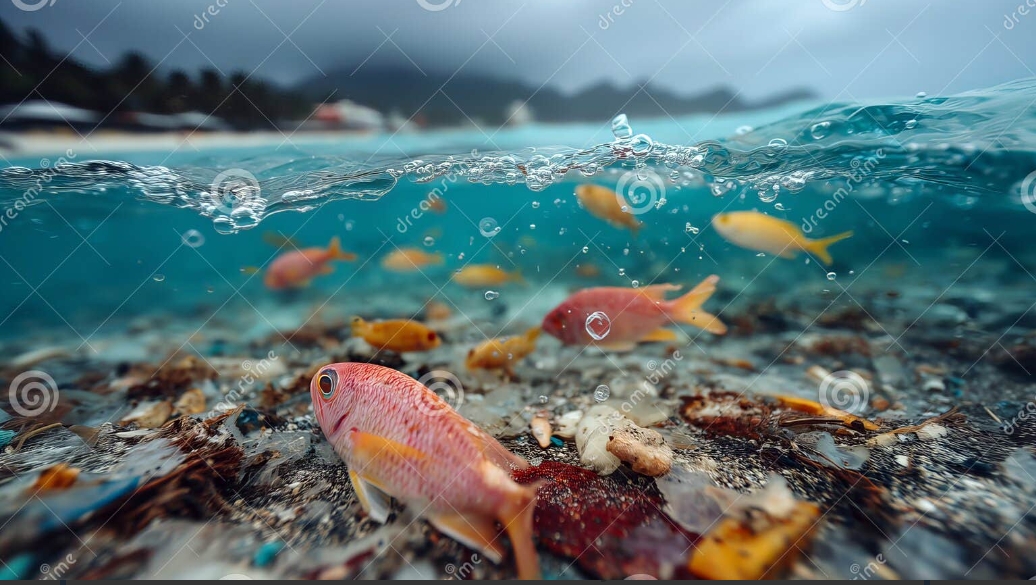
 On a humid morning in Bayelsa’s Sangana community, 54-year-old fisherman Godswill Olumo pushes his wooden canoe into the creek. In the 1980s, this same water teemed with tilapia, catfish, and bonga. “Back then,” Okoro says, “two hours was enough to fill the net. Now, we can spend the whole day and come back with nothing but plastic bottles.”
Across Nigeria’s inland rivers and coastal waters, a silent crisis is unfolding. Fishing production, once a cornerstone of rural livelihoods and food security, is in steep decline. The culprit? Ecodebris—a toxic cocktail of plastics, oil slicks, industrial waste, and discarded fishing gear choking the nation’s aquatic ecosystems.
For many, the crisis is personal. “I had to pull my son out of secondary school because fishing is no longer enough to pay fees,” says Fausa Ibrahim, a fish seller in Makoko, Lagos. “We used to dry and sell in bulk. Now, I barely get enough to feed my family.”
A Legacy Under Threat
Decades ago, Nigeria’s fishing communities thrived. Inland and coastal waters supported millions of jobs, from fishermen and net makers to market traders and transporters. But over the years, weak enforcement of waste disposal laws, industrial discharges, oil spills, and urban sewage have poisoned breeding grounds and disrupted natural feeding cycles.
According to the Federal Department of Fisheries, Nigeria now imports over 2 million metric tonnes of fish annually, spending billions of naira in scarce foreign exchange, an economic burden worsened by the collapse in local production.
Expert Warnings
Environmental scientist from the University of Lagos warns the decline could become irreversible.
“When ecodebris accumulates, it’s not just the fish that suffer, it’s the entire aquatic food chain,” she says. “If we don’t act now, we will lose these ecosystems completely within a generation.”
Similarly, a policy analyst at the Nigerian Institute for Oceanography, says fragmented governance is part of the problem.
“We have multiple agencies—environment, agriculture, marine transport, working in silos. Without a coordinated national response, the clean-up will be slow and ineffective,” he explains.
The Way Forward
Stakeholders are calling for an urgent National Ecodebris Task Force to monitor, clean, and enforce environmental laws, alongside community-led waste recovery programs. There are also demands for stricter penalties on polluters and massive public awareness campaigns to curb plastic waste at the source.
For fishermen like Olumo, such measures can’t come soon enough. “We are not asking for miracles,” he says, glancing at his empty net. “Just give the water a chance to heal, and we will do the rest.”
If Nigeria fails to act, the cost will be more than economic, it will be cultural, nutritional, and generational. The question is no longer if we should act, but how quickly.
@2025 The Ameh News: All Rights Reserved
Discover more from Ameh News
Subscribe to get the latest posts sent to your email.