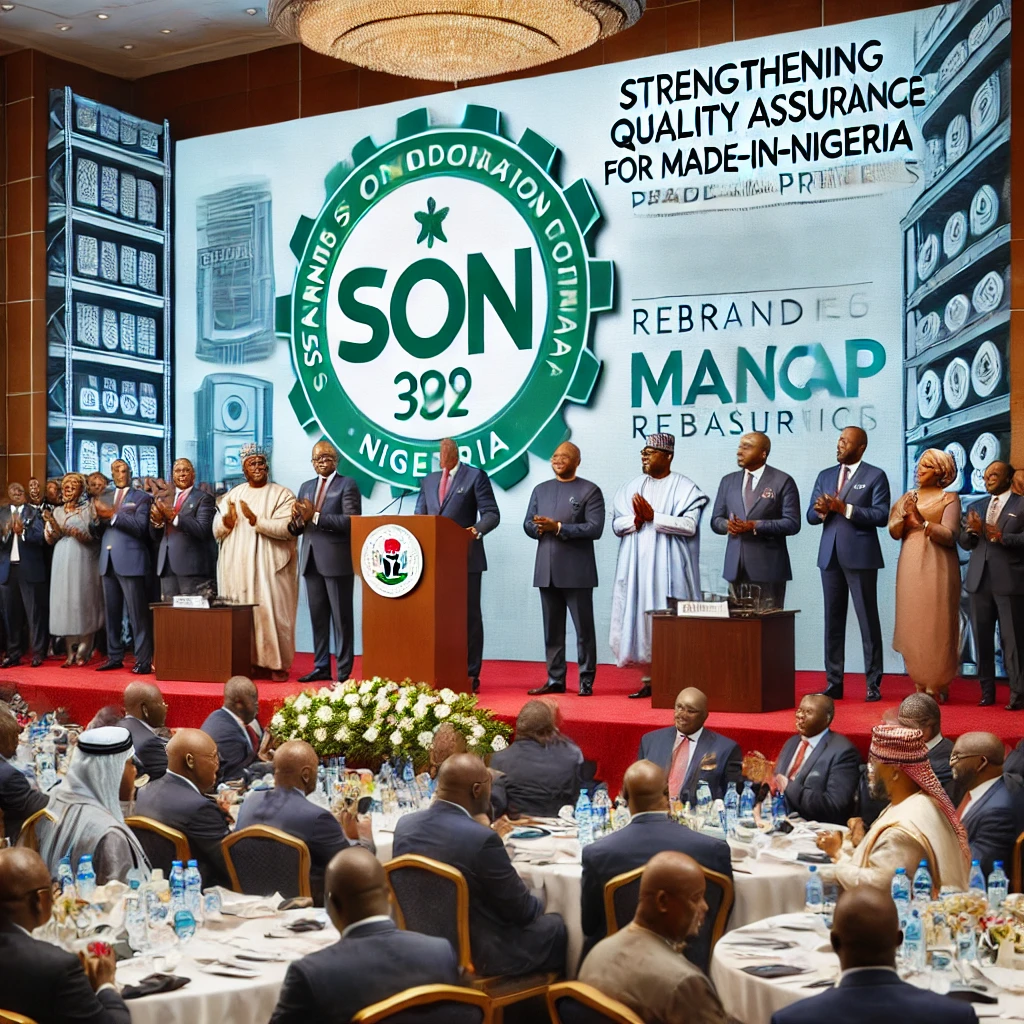
 Nigeria’s journey toward clean and sustainable transportation gained momentum in July 2025 when the Standards Organisation of Nigeria (SON) partnered with the Electric Mobility Promoters and Assemblers Association of Nigeria (EMPAN) to host a landmark stakeholders’ engagement on electric mobility.
The virtual forum, themed “Standardizing the Nigeria Electric Mobility Ecosystem for Safety, Reliability and Interoperability,” was held on Wednesday, July 30, 2025, and drew participation from regulators, industry experts, technology providers, and investors.
Building the Framework for Nigeria’s EV Future
At the heart of the conversation was a pressing need: to develop a comprehensive standardization framework that guarantees the safety and reliability of electric vehicles (EVs) and their supporting infrastructure in Nigeria. SON explained that standardization is essential to prevent fragmentation and to build public trust as the country prepares for wider EV adoption.
Priority areas identified include:
- EV charging infrastructure – ensuring compatibility and accessibility across regions.
- Battery safety standards – addressing risks of fire, performance failures, and environmental impact.
- Interoperability – creating uniform systems that allow vehicles and chargers from different manufacturers to function seamlessly.
- Reliability frameworks – guaranteeing consistent performance in Nigeria’s challenging climate and energy environment.
Lessons From Abroad, Solutions at Home
While international standards for EVs exist, experts at the forum stressed that Nigeria’s regulatory model must reflect its local realities. Limited electricity supply, affordability concerns, harsh weather conditions, and varying road networks present unique challenges that imported policies cannot fully solve.
“Global best practices provide a useful guide, but Nigeria must customize standards that work for our environment. A charging station model that works in Europe may not be suitable for rural Nigeria without grid support,” one industry participant observed.
Why Standardization Matters Now
The push comes at a time when electric mobility is increasingly being viewed as a cornerstone of Nigeria’s energy transition plan. With growing concerns about climate change, rising fuel costs, and pressure to diversify the economy, stakeholders agree that EVs present an opportunity not just for cleaner transport but also for job creation, technology transfer, and industrial growth.
Positioning Nigeria as a Regional Hub
Beyond consumer adoption, SON and EMPAN envision Nigeria as a regional hub for EV assembly, component manufacturing, and innovation. By laying down solid regulations and technical guidelines, Nigeria could attract foreign investment and position itself as a key player in Africa’s emerging electric mobility market.
“This initiative is about more than cars—it’s about creating a structured ecosystem that can support an entire value chain of industries,” EMPAN stated during the engagement.
The Road Ahead
The July webinar is just the first in a series of planned activities to define and implement EV standards across Nigeria. SON has called on industry players and the public to actively participate in ongoing consultations.
Participants can still register for upcoming engagements through the official link: https://bit.ly/EVStandards2025?r=qr.
As reflections on the event suggest, this initiative may be remembered as a turning point, when Nigeria moved from conversations about electric mobility to concrete actions aimed at building a safe, reliable, and interoperable EV ecosystem.
Discover more from Ameh News
Subscribe to get the latest posts sent to your email.