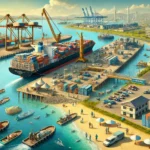
 When the first vessel berthed at Lekki Deep Sea Port in 2023, it wasn’t just a triumph of engineering—it was the beginning of a new chapter for thousands of Nigerians whose lives and livelihoods are tied to the sea. Two years later, the port has emerged as a game-changer, with Minister of Marine and Blue Economy, Adegboyega Oyetola, projecting $200 billion in government revenue over its 45-year concession period. But beyond the numbers, the human impact tells the fuller story.
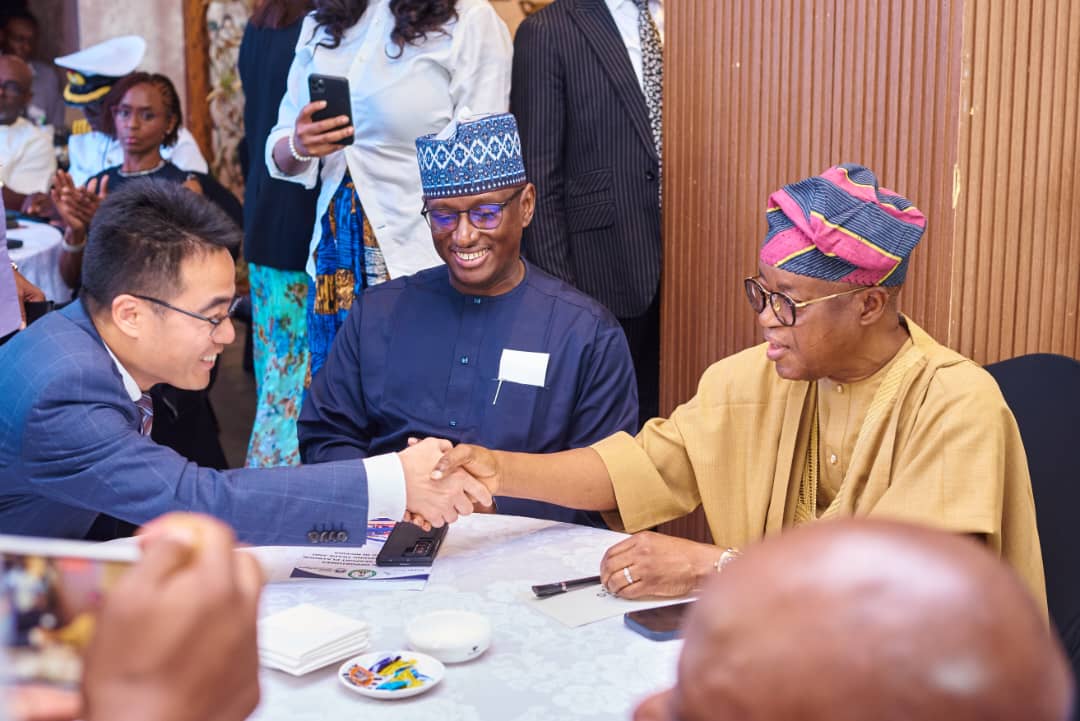
Oyetola, speaking at a breakfast meeting organised by the Nigerian Chamber of Shipping (NCS) in collaboration with Lekki Port, reflected on how the port has begun to ease chronic congestion in Lagos ports, reduce delays for businesses, and open new doors of opportunity for ordinary Nigerians. “Lekki Port is strengthening Nigeria’s competitiveness as a logistics hub, but more importantly, it is restoring investor confidence and creating livelihoods in communities that had long felt excluded from the dividends of maritime development,” he said.
Jobs and Skills for the Future
Already, thousands of direct and indirect jobs have sprung up around the port—from cargo handlers, truck drivers, and marine engineers to food vendors and small-scale traders catering to port workers. Young graduates who once struggled for opportunities are now being absorbed into the logistics and shipping ecosystem. Local training centres have also partnered with the port to skill up workers in crane operations, freight forwarding, and digital logistics management, ensuring that Nigerian youths are not left behind in the era of technology-driven shipping.
Impact on Local Communities
In Ibeju-Lekki, fishing and farming communities once wary of the massive construction project are now witnessing new forms of inclusion. Road networks built to support the port have opened up once-isolated villages, bringing better access to schools, markets, and healthcare. Small businesses are thriving along the new highway corridors, while property values in the area have seen significant growth.
Yet, alongside these benefits, communities are also negotiating the environmental pressures that come with mega-infrastructure. Concerns about coastal erosion, fishing zones, and pollution have prompted government and private partners to adopt stricter environmental safeguards. Oyetola assured that the Lekki Port project is designed with sustainability in mind, incorporating eco-friendly technologies and compliance frameworks to balance growth with environmental stewardship.
A Blueprint for Nigeria’s Maritime Future
For Wang Qiang, Managing Director of Lekki Port, the facility’s success lies in its ability to connect bold policy with tangible human progress. With cutting-edge Post Panamax cranes, automated gates, and container scanners, the port is slashing dwell times and cutting logistics costs, making Nigerian goods more competitive. But he insists that its broader legacy will be the lives uplifted. “Beyond the $200 billion revenue, Lekki Port will inject $361 billion in overall economic impact, creating a ripple effect in jobs, trade, and skills development. This port is proof that Nigeria can build infrastructure that transforms entire communities,” he said.
Stakeholders See a Turning Point
The Managing Director of the Nigerian Ports Authority (NPA), Abubakar Dantsoho, stressed that projects like Lekki Port show the importance of mobilising resources for capital-intensive infrastructure. Similarly, Aminu Umar, President of the Nigerian Chamber of Shipping, hailed the creation of the Marine and Blue Economy Ministry as a visionary move. “For us, Lekki Port is not just about ships and cargo; it is about empowering Nigerians, driving trade, and building prosperity that reaches families and communities,” he said.
A Port Beyond Steel and Cargo
Looking back, Lekki Port’s story is not merely about numbers on balance sheets or giant vessels docking on its quays. It is about young people finding work where none existed, rural communities gaining roads and services, and Nigeria reclaiming its place as a maritime power.
As Oyetola reflected, “Lekki Port is not just a singular achievement—it is a national blueprint for how infrastructure can change lives, create jobs, protect the environment, and build a sustainable blue economy.
Discover more from Ameh News
Subscribe to get the latest posts sent to your email.