 The Petroleum and Natural Gas Senior Staff Association of Nigeria (PENGASSAN) has renewed its call for urgent reforms in Nigeria’s oil and gas sector, urging the federal government to divest majority stakes in the nation’s refineries and hand operational control to private sector experts.
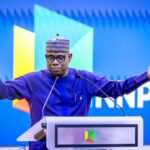
Speaking at the 4th PENGASSAN Energy and Labour Summit (PEARLS 2025) in Abuja, the union’s president, Comrade Festus Osifo, said the persistent failure of government-owned refineries has taken a heavy toll on workers, host communities, and the economy at large.
“The refinery must work, but government must divest. Let them retain minority shares and bring in experts who know how to run refineries efficiently,” Osifo said, stressing that Nigeria has the manpower and resources to succeed if the right model is adopted.
He drew comparisons with the Nigeria LNG (NLNG) structure, where government owns 49 percent and private firms such as Shell, TotalEnergies and E&I hold 51 percent. According to him, this model has insulated NLNG from politics and inefficiency, a strategy Nigeria must replicate in its refinery operations.
Workers in Limbo
Years of inactivity at the refineries in Port Harcourt, Warri and Kaduna have left many skilled workers underutilized. Some earn salaries without meaningful work while younger engineers are forced abroad in search of opportunities. “We are losing a generation of skilled workers to brain drain while Nigeria spends billions importing fuel,” Osifo warned.
Communities in Decline
Host communities have also suffered the ripple effects. Local businesses that once thrived on refinery activity—from traders to service providers—have seen their markets collapse. In towns like Warri and Kaduna, refinery shutdowns have translated into shrinking economies, job losses and declining living standards. “When refineries don’t work, schools, markets and livelihoods in those communities also collapse,” Osifo added.
An Economy Held Back
At the national level, Nigeria remains paradoxically dependent on fuel imports despite its vast crude oil reserves estimated at 37 billion barrels. Current production of about two million barrels per day, Osifo noted, is insufficient to fully harness the country’s potential. “Effort must be put in place to increase our production. We must invest wisely, the same way Abu Dhabi’s oil money was used to build Dubai,” he said.
Transparency and Labour Rights
Osifo commended recent marginal field bid rounds as among the most transparent in Nigeria’s history but warned against reverting to old practices of awarding oil blocks to politically connected individuals without technical expertise.
He also raised concerns about persistent anti-union practices in the sector. “This is 2025, yet some companies still prevent workers from joining unions. They should desist or we will come after them,” he cautioned.
The Road Ahead
For PENGASSAN, the path to recovery lies in adopting a tested model: government should step back, private sector experts should take control, and transparency must be the watchword. Only then, Osifo argued, will Nigeria’s refineries come back to life, workers regain their dignity, host communities flourish again, and the economy break free from costly fuel importation.
The union’s renewed call at PEARLS 2025 reflects not just a policy demand but a broader reminder: every idle refinery represents wasted potential for workers, communities, and the nation.
Discover more from Ameh News
Subscribe to get the latest posts sent to your email.