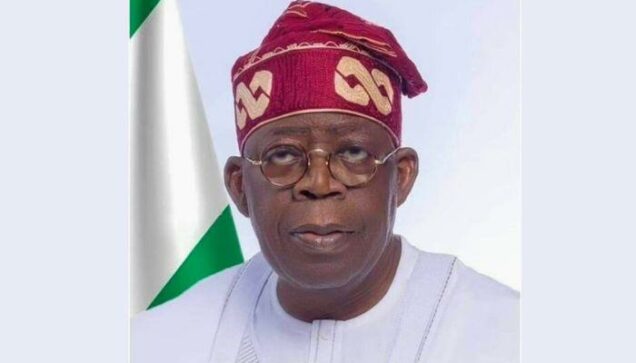
 For decades, the dream of direct air connectivity between Nigeria and Brazil has hovered just out of reach. Multiple administrations had negotiated, stalled, or quietly shelved Bilateral Air Services Agreements (BASA) with South America’s largest economy. Today, under President Bola Ahmed Tinubu, that dream is finally on the brink of becoming reality.
According to the report as from today August 24 to 25, President Tinubu will visit Brazil at the invitation of President Luiz Inácio Lula da Silva, with a packed agenda highlighting aviation, trade, tourism, and cultural exchange. The trip’s centerpiece is the signing of a BASA, alongside other strategic Memoranda of Understanding (MoUs), a milestone long sought by Nigerian policymakers.
A Long Road to Direct Connectivity
The idea of linking Africa and South America via direct flights is not new. In the early 2000s, Nigeria and Brazil explored air service agreements, but challenges, from regulatory hurdles to infrastructure limitations and fluctuating political will—kept the plan grounded. Passengers, freight companies, and businesses were left to navigate costly and time-consuming routes through Europe or the Middle East.
“This has been a dream postponed for over two decades,” says aviation analyst. “The BASA that Tinubu and Minister Keyamo are signing is not just symbolic, it has real potential to reshape air travel and trade between two continents that share deep historical and cultural roots.”
Unlocking Trade and Reducing Logistics Costs
Nigeria’s trade with Brazil has historically relied on indirect channels, inflating costs for exporters and importers alike. Analysts estimate that direct flights could cut logistics costs by up to 40%, making Nigerian goods “from cocoa to manufactured products” more competitive in South American markets.
“Beyond passenger travel, the BASA is about creating corridors of commerce,” says a Lagos-based freight forwarder. “This will allow small and medium-sized Nigerian businesses to access Latin American markets without exorbitant shipping or transit costs.”
Tourism, Culture, and Shared Heritage
The significance of the visit extends beyond economics. Brazil is home to one of the largest populations of Afro-descendants outside Africa, many tracing ancestry to the Yoruba people of Nigeria. Cultural exchange programs, tourism initiatives, and joint festivals are expected to be announced, reinforcing people-to-people ties.
“Connecting our countries via direct flights is not just about business, it’s about reconnecting histories,” Minister Festus Keyamo, SAN, remarked. “Millions of Brazilians share a heritage that is deeply Nigerian. This trip will bridge that gap and make cultural exchange more tangible.”
Technical Cooperation and Aviation Reforms
The agreements also encompass technical collaboration in aviation safety, training, and airport management. Brazil’s globally recognized aviation expertise, including Embraer’s aircraft manufacturing and pilot training programs, could provide Nigeria with opportunities to enhance its domestic aviation standards.
Experts note that this aligns perfectly with President Tinubu’s broader aviation reform agenda, which seeks to modernize airports, enhance air safety, and position Nigeria as a regional aviation hub.
A Symbol of Determined Diplomacy
The realization of this BASA owes much to Minister Keyamo’s strategic diplomacy, but it is also a testament to Tinubu’s reformist vision. Unlike past administrations, which struggled with follow-through, the current government has combined political will, institutional backing, and international collaboration to push this agreement across the finish line.
Diplomatic observers suggest that this State Visit will be remembered not merely as a ceremonial trip, but as a turning point in Nigeria–Brazil relations, cementing economic, cultural, and technical links that have long been discussed but rarely implemented.
As President Tinubu prepares to touch down in São Paulo, the anticipation is palpable. For Nigeria, this is more than an aviation milestone, it is a reconnection of continents, a revival of long-delayed dreams, and a bold signal that under this administration, ambitious international partnerships are no longer aspirational, they are actionable.
@2025 The Ameh News: All Rights Reserved
Discover more from Ameh News
Subscribe to get the latest posts sent to your email.