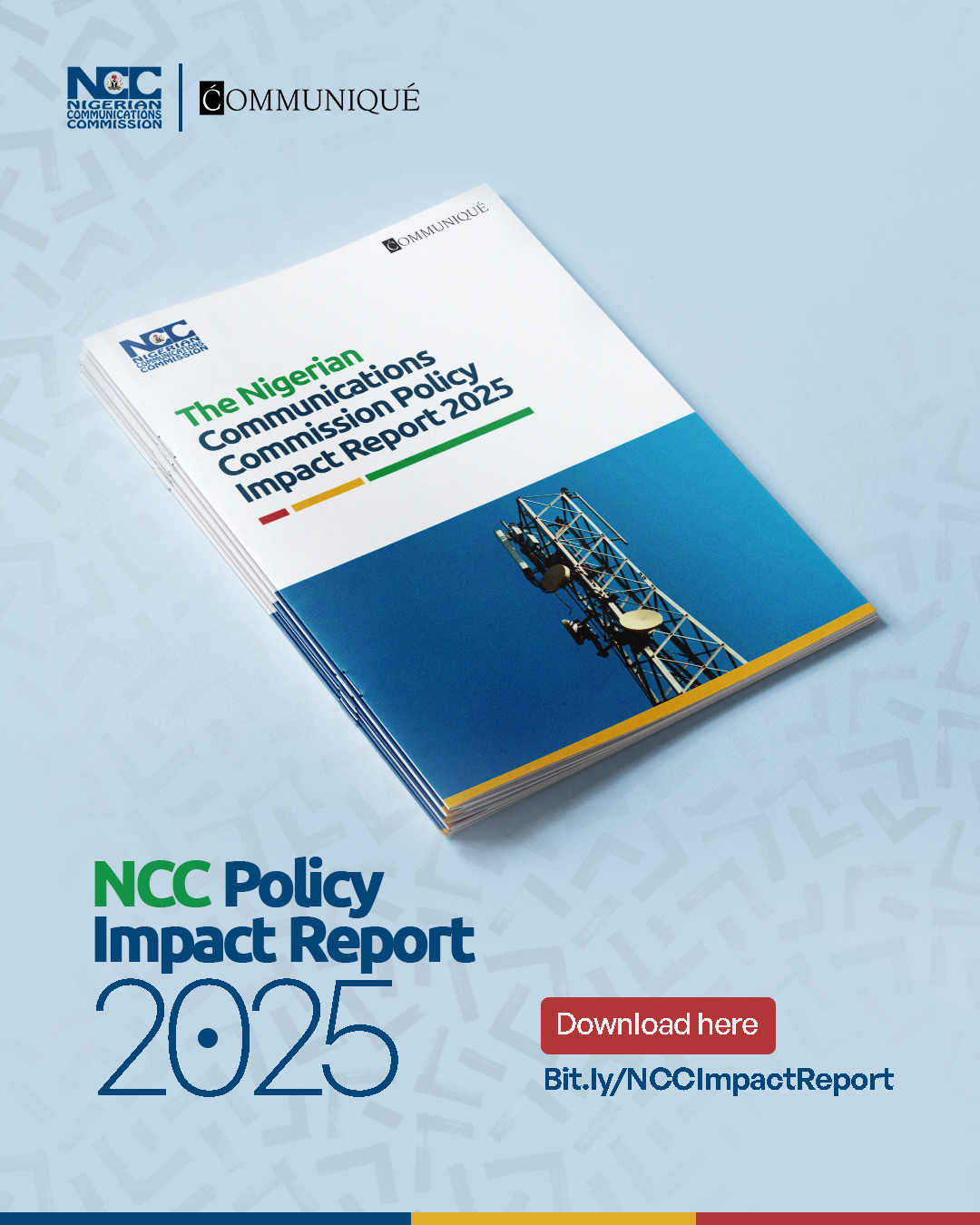
 Nigeria’s sweeping telecom reforms have unlocked billions in new investments and reshaped the country’s digital economy, according to a new independent impact report obtained exclusively by our newsroom.
The study, titled “Regulating for the Future: Telecom Policy, Innovation, and Nigeria’s Digital Inclusion Goals,” reviews the Nigerian Communications Commission’s (NCC) regulatory interventions over the past two years. It concludes that bold reforms are not only improving service quality and consumer protection but also setting the stage for broadband penetration to hit 70 percent by 2025.
With telecoms already contributing over 16 percent to national GDP, the NCC now targets 22 percent by 2027—a leap that analysts say could anchor Nigeria’s broader digital transformation.
Reforms That Changed the Game
The report highlights a series of regulatory measures that have repositioned the sector:
- Infrastructure Resilience: Telecom systems are now classified as Critical National Information Infrastructure, with disaster recovery plans mandatory to guard against disruptions.
- Consumer Protection: New guidelines on tariffs and charges enforce transparency, sparing subscribers from hidden costs.
- Quality of Service: Revised benchmarks for calls, data, and complaint resolution ensure operators meet measurable standards.
- Market Sustainability: The first tariff adjustment in more than a decade restored cost-reflective pricing, unleashing billions in new investments and accelerating the rollout of 4G, 5G, and fibre optic infrastructure.
- Innovation and Local Industry: A streamlined type-approval process has curbed grey-market devices while boosting local hardware innovation.
These interventions, the report notes, have translated into stronger investor confidence and a more competitive digital marketplace.
Gaps and Challenges Ahead
Despite the progress, the report warns of challenges that could slow momentum. Rising cases of vandalism and fibre cuts continue to threaten network reliability. Smaller operators face steep upgrade costs, while rural areas remain underserved.
Weak enforcement and gaps in real-time monitoring were also flagged as hurdles. To address these issues, the report recommends stronger inter-agency collaboration, tougher enforcement mechanisms, incentives for local manufacturing, and tailored strategies for rural connectivity.
Industry Voices
David Adeleke, Founder and CEO of Communiqué, underscored the importance of the sector’s reforms in everyday life.
“The telecommunication industry powers so much in Nigeria, from digital commerce to health, agriculture, and creativity. It permeates every aspect of our lives. This report shows how much impact the industry and the NCC’s policies have on our digital future.”
Analysts add that if current policies are sustained, Nigeria could cement its status as a continental hub for digital innovation and commerce.
Why It Matters
The findings underline that Nigeria’s telecom revolution is the product of deliberate regulatory choices. By balancing investor incentives with consumer protections, the NCC has created conditions for sustainable growth while expanding access to millions.
For policymakers and investors, the report is both a reference and a warning: the reforms have unlocked vast opportunities, but closing rural gaps and safeguarding infrastructure will determine whether Nigeria’s digital economy can truly achieve inclusive growth.
Discover more from Ameh News
Subscribe to get the latest posts sent to your email.