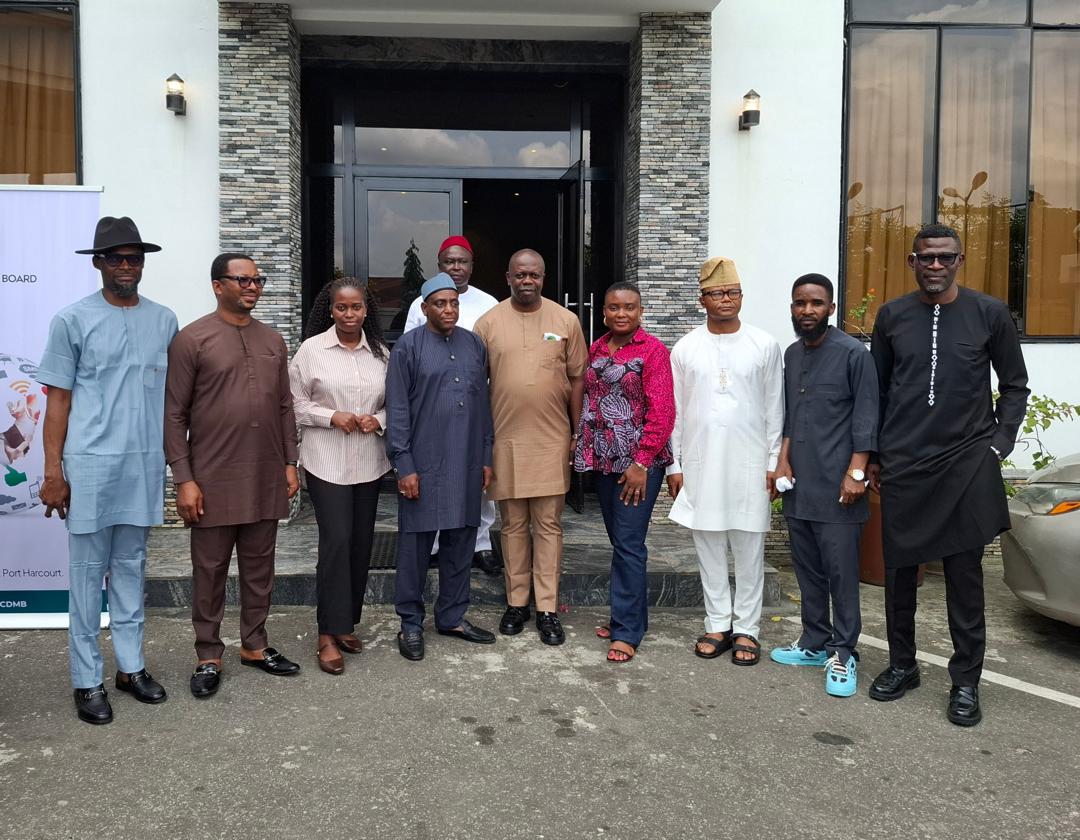
 The Nigerian Content Development and Monitoring Board (NCDMB) has reaffirmed its commitment to deepening local participation in the oil and gas sector, highlighting landmark achievements recorded since its inception in 2010, while charging media professionals, youth groups, and civil society to uphold social responsibility in shaping narratives that impact the nation’s economy.
The call was made on Thursday during a special workshop in Port Harcourt, which has become a signature platform for stakeholder engagement since the establishment of the Board 15 years ago. The event, designed to strengthen collaboration, acquainted participants with opportunities in employment, training, contracting, and the Board’s Community Content Guidelines that ensure host communities are integrated into the oil and gas value chain.
Delivering a keynote on “NCDMB Mandate and Achievements,” Executive Secretary, Engr. Felix Omatsola Ogbe, represented by Dr. Abdulmalik Halilu, Director of Corporate Services, stressed that the NOGICD Act of 2010 vested the Board with two critical mandates: developing local capacity without compromising global standards and monitoring compliance across the sector.
“Everything we do revolves around our mandate,” Halilu stated. “From it, we derive guidelines to measure success and enforce consequences for non-compliance. With this framework, predictability is assured, and no lobbying is required once you follow due process.”
15 Years of Milestones
Highlighting the Board’s journey, Halilu noted that NCDMB set ambitious goals to industrialize the oil and gas sector by leveraging the huge industry spend to strengthen linkages with other sectors of the economy. A central pillar of this vision has been investment in research and development (R&D), including the establishment of world-class Centres of Excellence across six universities in Nigeria’s geopolitical zones.
“There is a direct nexus between R&D spending and GDP growth,” he explained. “For any country aspiring to localize production, strong R&D capacity is non-negotiable.”
The Board’s strategic investments have also birthed landmark projects such as the Waltersmith Refinery, NEDO Gas Gathering Plant, and Better Gas Energy LPG Terminal. Ongoing projects include the Azikel Refinery, Eraskon Lubricating Oil Blending Plant, and Ladol Power Plant.
Perhaps most notable is the fabrication of topsides for the $3.3 billion Egina FPSO by TotalEnergies, which Halilu described as “a loud testament to Nigeria’s sophistication in oil and gas fabrication.” Today, with over 50 active fabrication yards, Nigeria boasts excess capacity, exporting expertise to the Middle East and other African markets.
Beyond fabrication, more than 100 indigenous companies in the service sector have expanded their footprint to other oil-producing African countries, while increasing ownership and control of marine vessels and rigs has elevated Nigerian players to global competitiveness.
Driving Capacity and Monitoring Compliance
Mr. Silas Ajimijaye, General Manager, Midstream (Monitoring and Evaluation Directorate), emphasized that the unit’s activities are geared toward boosting the oil and gas sector’s contribution to Nigeria’s GDP, which has remained relatively low despite the sector’s potential.
On the capacity-building front, Deputy Manager of the Capacity Building Directorate, Mr. Tareowei Bufazi, reiterated the mandate to promote globally competitive human capital development and drive asset ownership. “We are building competency that is exportable and sustainable,” he said.
Media and Youth as Partners in Growth
In a statement endorsed and released, Dr. Obinna Ezeobi, General Manager, Corporate Communications, commended journalists, civil society, and youth groups for their consistent support in projecting the Board’s initiatives. He, however, urged them to be more deliberate in shaping the national conversation.
“The media must act as gatekeepers, filtering out inaccuracies and setting the right agenda. Let us focus on how to grow local content and build a stronger energy industry,” he said, while encouraging participants to ask critical questions to ensure transparency and accountability.
The Road Ahead
With Africa holding an estimated 125 billion barrels of crude oil reserves and 800 trillion cubic feet of gas, Halilu expressed optimism that Nigeria’s achievements in local content could serve as a model for broader continental collaboration and industrialization.
The workshop ended with renewed calls for synergy among regulators, the media, youth groups, and civil society organizations to sustain Nigeria’s momentum in achieving industrial self-reliance, creating jobs, and strengthening the economy.
Discover more from Ameh News
Subscribe to get the latest posts sent to your email.