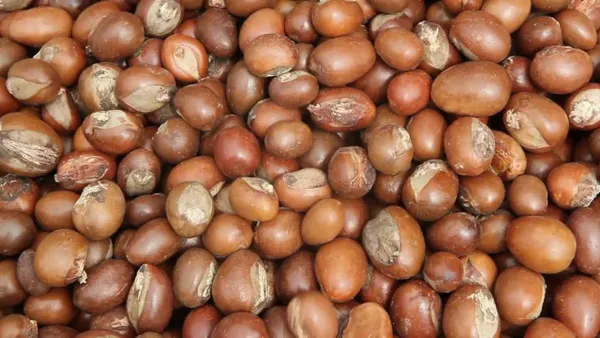
 Nigeria’s recent decision to halt the export of shea nuts has sent shockwaves across local and international markets, driving prices down by 33% within days and raising fears of deeper economic hardship for rural communities. The ban, which follows similar moves by Ghana and Burkina Faso, is part of a broader West African strategy to retain raw materials at home and boost local processing industries.
At the close of trading on Thursday, shea nuts were selling for ₦800,000 ($521) per metric ton, down sharply from earlier levels, according to data from Lagos-based consultancy Vestance. “The policy intention may be right, but the transition is abrupt. Farmers and traders will need targeted support to prevent widespread losses,” said Vestance CEO Rildwan Bello.
A Familiar Story of Export Bans
The abrupt fall in shea prices has revived memories of Nigeria’s turbulent history with agricultural export restrictions.
- Maize (2020): A temporary export ban designed to protect feed millers ended up depressing local prices, fueling smuggling into neighboring countries, and leaving smallholder farmers with significant losses.
- Palm Oil (1980s–90s): Nigeria once sought to replicate Malaysia’s success by restricting raw exports, but weak infrastructure and lack of investment meant local refineries underperformed. Today, Malaysia and Indonesia dominate global palm oil, while Nigeria lags far behind.
- Cocoa: Past restrictions to encourage local chocolate manufacturing backfired when processors failed to absorb supply, driving many farmers to abandon cocoa farming altogether.
With this track record, critics fear the shea nut ban could follow the same path — causing short-term pain for farmers without delivering lasting industrial transformation.
Farmers on the Edge
Shea nuts are a lifeline for thousands of rural households across northern Nigeria. Women, in particular, dominate the shea value chain, gathering and processing the nuts for sale to local and international buyers.
“The women who pick and process shea nuts have no access to storage or credit. With prices collapsing overnight, many stand to lose their only income stream,” said a trader in Kwara State.
Analysts warn that unless the government provides subsidies, credit facilities, or processing incentives, the communities most dependent on shea will suffer disproportionately.
Global Supply Chains Feel the Squeeze
The shock is not limited to Nigeria. The global cosmetics and food industries, which rely heavily on shea butter for lotions, soaps, and confectionery, are now scrambling for alternatives. Multinational giants such as L’Oréal, Unilever, and The Body Shop source a significant portion of their raw shea from West Africa, which accounts for more than 60% of global supply. With Ghana and Burkina Faso also enforcing restrictions, buyers face a narrowing supply base.
“The global cosmetics industry is highly dependent on West African shea. If major producers restrict exports simultaneously, prices will rise sharply, or companies will be forced to invest in local African processing plants,” said a European commodities trader.
Already, industry insiders suggest that firms may pivot to East Africa or even explore synthetic substitutes, though such shifts could take years to materialize.
Balancing Vision With Reality
Nigeria’s government has defended the policy as a long-term play to promote industrialization. Officials argue that exporting raw nuts deprives the country of jobs and foreign exchange that could be earned from producing shea butter and other high-value derivatives locally.
Proponents say the ban could spur investment in factories, create employment, and transform Nigeria into a hub for value-added shea exports. However, skeptics caution that without adequate infrastructure, energy reliability, and financial incentives for processors, the policy risks becoming another case of “good intention, poor execution.”
“The question is not whether Nigeria should add value to shea,” said an agricultural economist at Ahmadu Bello University. “The real question is whether the country has prepared enough to make this transition smooth. Without that, farmers may abandon shea the way many abandoned cocoa decades ago.”
What Next?
For now, the shea nut market is caught between competing realities: the government’s ambition to industrialize versus the immediate struggles of farmers and the mounting pressure on global buyers.
If Nigeria can swiftly roll out incentives for local processing, the ban could usher in a new era of agribusiness growth. If not, it risks going down in history as yet another policy misstep that hurt the very people it was meant to empower.
@2025 The Ameh News: All Rights Reserved
Discover more from Ameh News
Subscribe to get the latest posts sent to your email.