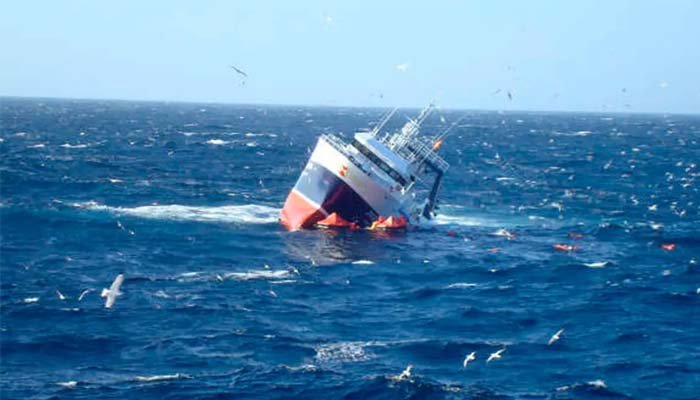
 A routine river crossing turned into a nightmare on Tuesday in Niger State when a boat carrying about 90 passengers capsized in Gausawa, Borgu Local Government Area, leaving 29 dead, two still missing, and dozens of families in mourning.
The Director-General of the Niger State Emergency Management Agency (NSEMA), Alhaji Abdullahi Baba-Arah, confirmed the tragic development, blaming overloading and a collision with a submerged tree stump for the disaster.
The Fatal Journey
The passengers, mostly women and children, had set out from Tungan Sule in Shagunu Ward en route to Dugga town for a condolence visit. But at about 11:30 a.m., midway through the journey, their boat struck a tree stump and overturned.
“Twenty-nine bodies have been recovered, 50 people were rescued alive, and two are still missing,” Baba-Arah said in a statement, noting that search and rescue efforts were ongoing.
Voices from Survivors
Some of those who made it to shore recounted the harrowing moments after the boat capsized.
“I was holding my little boy when the boat hit something hard,” said Malama Aisha, a survivor who lost her sister in the incident. “In seconds, people were screaming and struggling in the water. I don’t know how I survived, but my sister could not make it.”
Another survivor, a farmer identified as Musa Ibrahim, said most passengers had no life jackets.
“We pleaded with the operator not to take so many people, but he said the boat could carry us. After the collision, it was chaos. I saw mothers clutching their children as the water swallowed them,” Ibrahim recounted, his voice shaking.
For many in Borgu, such tragedies are all too familiar. “This is not the first time,” said community elder Alhaji Sule Gausawa. “We bury our loved ones every year because of unsafe boats and negligence. When will this end?”
Why Boat Mishaps Persist
Across Nigeria’s riverine regions, boat mishaps remain tragically common. Experts point to a combination of factors:
- Overloading: Operators often pack boats beyond capacity to maximize profit.
- Poorly maintained vessels: Many boats are old, rickety, and lack basic safety equipment.
- Hazardous waterways: Submerged tree stumps, sandbanks, and shallow waters increase the risk of accidents.
- Absence of life jackets: Most passengers travel without life-saving gear.
- Weak regulation: Enforcement of inland waterway safety rules remains inconsistent.
Dr. Hadiza Mohammed, a transport safety analyst, explained:
“Until Nigeria prioritizes investment in safe water transport infrastructure—proper dredging, modern boats, and strict regulation—these accidents will remain a recurring tragedy.”
What Authorities Are Doing
In response to Tuesday’s accident, NSEMA and local divers have intensified search operations to recover the missing passengers. Baba-Arah assured the public that government will “work with traditional leaders and boat operators to enforce safety protocols.”
The Niger State Government has in recent years distributed life jackets and warned against overloading, but community members say implementation is weak. Calls are now growing for urgent dredging of waterways, removal of tree stumps, and the introduction of speedboats equipped with safety gear.
Meanwhile, the National Inland Waterways Authority (NIWA) has also promised to investigate the cause of the mishap and collaborate with local authorities to prevent a recurrence.
A Community in Grief
As families bury their dead, the atmosphere in Borgu remains heavy with sorrow. Mothers cry for their lost children, while men quietly dig graves along the riverbank.
“This tragedy could have been prevented,” said Musa Ibrahim, the farmer who survived. “We don’t want sympathy alone—we want safety.”
For now, the Niger River continues to carry both life and death for those who depend on it, a reminder of the urgent need for Nigeria to confront the recurring menace of boat mishaps.
Discover more from Ameh News
Subscribe to get the latest posts sent to your email.