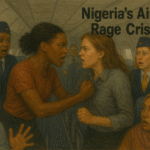
 The Nigerian Civil Aviation Authority (NCAA) reaffirmed its consumer-first mandate at the National Stakeholder Summit on Consumer Protection held in Lagos. With the theme, “Increased Adoption of Digital Technology in Air Travel Complaint Management: The Regulatory Perspective,” the gathering brought regulators, airlines, and passengers together to reflect on the past, assess the present, and chart a course for the future of air passenger rights in Nigeria.
Looking Back at Passenger Rights in Nigeria
Nigeria’s aviation industry has long been defined by a push-and-pull between airlines and passengers. In the past, complaints about flight delays, cancellations, lost baggage, and overbooking often disappeared into bureaucratic dead-ends. Passengers frequently felt voiceless, with compensation claims dragging on for months or simply ignored.
Milestones such as the establishment of NCAA’s Consumer Protection Department in the early 2000s and the introduction of passenger rights regulations brought a measure of progress. For instance, rules around compensation for flight delays and cancellations provided a framework for accountability. Yet, challenges persisted—particularly in enforcement, awareness, and accessibility for ordinary travelers.
The Lagos summit served as a flashback to these struggles, reminding stakeholders how far Nigeria has come, while also highlighting the gaps that remain.
Why Digital Complaints Matter
In today’s fast-moving aviation sector, digital adoption is not just convenient—it is transformative. With mobile apps, complaint portals, and AI-driven feedback systems, passengers can now report issues in real time, and their voices can no longer be easily dismissed. A single complaint can trend on social media within minutes, compelling airlines and regulators to act swiftly.
At the summit, stakeholders noted that digital complaint systems are key to restoring passenger trust. They not only improve response time but also provide data that NCAA can analyze to spot recurring issues and hold airlines accountable.
However, participants also flagged concerns: digital adoption must not leave behind passengers without internet access or those unfamiliar with technology. NCAA’s challenge, therefore, lies in balancing modern efficiency with inclusivity.
The Road Ahead for NCAA: Lessons from Air Ibom and Enugu Air Incidents
Recent incidents, including the situation on Ibom Air and an Air traveler & Grand handlers at Enugu Air, were referenced back to the summit as wake-up calls for the aviation industry. These events underscored the urgent need for robust consumer protection, clear communication, and trust-building between passengers and operators or regulators.
The Ibom Air situation showed how small communication can quickly spiral, caused widespread condemnation and reputational damage while Enugu’s situation highlighted operational inefficiencies that left passenger struggled with gound staffers. In both cases, consumer protection was not just about resolving complaints but about preventing unruly passenger from violent, then inconvenience others, and loss of confidence in Nigeria’s air transport system.
For NCAA, the road ahead involves three priorities:
- Strengthening Digital Channels – ensuring passengers have accessible, reliable platforms for complaint submission and resolution.
- Proactive Crisis Management – developing faster, more transparent communication strategies during emergencies.
- Deepening Stakeholder Collaboration – working with airlines, airports, and security agencies to make consumer rights a lived reality, not just a policy and enforcement.
A Call to Value Passenger Rights
The Lagos summit was not just another conference; it was a reminder of NCAA’s role as a guardian of the flying public. The hashtag #NCAACONSUMERPROTECTION carried the weight of expectation: that every Nigerian traveler’s dignity, safety, and convenience must be valued.
As one industry veteran remarked at the summit: “Protecting passengers is not just about handling complaints faster, it’s about safeguarding trust in Nigeria’s aviation sector.”
For travelers, regulators, and airlines alike, the reflection on past challenges and recent incidents offers a chance to build a more accountable, digitally enabled, and passenger-friendly future in Nigerian aviation.
@2025 The Ameh News: All Rights Reserved
Discover more from Ameh News
Subscribe to get the latest posts sent to your email.