In a landmark transaction poised to reshape Africa’s largest cement market, Chinese cement manufacturer Huaxin Cement has agreed to acquire Swiss group Holcim’s 83.81% stake in Lafarge Africa for $1 billion. The deal, which includes plans to acquire the remaining Holcim shares by 2026, gives Huaxin control of four major Nigerian cement plants—Sagamu, Ewekoro, Ashaka, and Mfamosing—with a combined annual production capacity of 10 million tonnes.
The acquisition challenges the dominance of Nigerian industrial titans Aliko Dangote and Abdul Samad Rabiu, who control Dangote Cement and BUA Cement, respectively. Dangote Cement leads the Nigerian market with 35 million tonnes of capacity, while BUA Cement has steadily expanded under Rabiu. Huaxin’s entry positions it as the third-largest player in Nigeria, intensifying competition in a market with approximately 30 million tonnes of annual demand, driven by infrastructure projects, urbanization, and a housing boom.
Brownfield Strategy and Continental Expansion
Huaxin, founded in 1907 and headquartered in Hubei, China, entered the African market only in 2020. Unlike greenfield projects that build new plants from scratch, Huaxin has pursued a brownfield acquisition strategy, acquiring existing assets across Africa. Previous deals include ARM Cement’s Tanzanian operations (2020), Lafarge’s Zambian and Malawian businesses (2021), and InterCement’s South African and Mozambican assets ($265 million). Following the Lafarge Africa acquisition, Huaxin’s total African capacity now nears 30 million tonnes annually.
The company’s CEO, Li Yeqing, said in a statement last year, “Our goal is to integrate and modernize acquired operations, providing quality cement while contributing to the sustainable growth of Africa’s construction sector.”
Expert Analysis: A Market on the Brink of Transformation
Industry analysts suggest Huaxin’s entry could reshape Nigeria’s cement sector.
- Dr. Chijioke Eze, Economist and Infrastructure Analyst, notes: “This acquisition is a significant vote of confidence in Nigeria’s construction and infrastructure sectors. Huaxin is bringing not just capital but technological expertise that could modernize plants and improve efficiency. This may also create more competitive pricing in a market traditionally dominated by two players.”
- Aisha Bello, Senior Market Analyst at African Cement Insights, adds: “We could see increased investment in logistics and plant upgrades. Huaxin’s brownfield strategy reduces initial risk while leveraging existing capacity. For Nigerian consumers, this could mean better availability and potentially more stable prices.”
- Kunle Adewale, Nigerian Business Consultant, offers a cautionary note: “The legal challenge by a minority shareholder introduces uncertainty. While Holcim confirmed the deal, any judicial delay could affect Huaxin’s integration plans. Nonetheless, their track record in Africa suggests they are likely to navigate these challenges effectively.”
Global and Domestic Context
The deal comes as Chinese cement manufacturers increasingly look abroad amid slowing demand and overcapacity in China. Huaxin’s parent company operates 152 million tonnes of annual capacity globally, and the Lafarge Africa acquisition is expected to boost its international revenue, complementing its RMB 34.2 billion ($4.8 billion) in 2024.
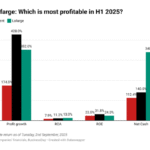
For comparison, Dangote Cement posted $2.4 billion in revenue and net profit of $340 million last year, demonstrating robust profitability even at half the scale of Huaxin’s global operations. Lafarge Africa itself generated $450 million in revenue last year, signaling strong potential for growth under Huaxin.
Potential Impact on Consumers and Industry
Experts suggest Huaxin’s arrival could enhance supply stability and pricing efficiency. The company has already invested $30 million in Zambia to install a new kiln, signaling commitment to modernization across the continent.
Dr. Eze adds, “We may see ripple effects across West Africa. Competitors will be forced to innovate and improve their operations, which could ultimately benefit construction firms and consumers.”
Conclusion: Africa’s Cement Market in Transition
Huaxin Cement’s acquisition of Lafarge Africa represents more than a business transaction—it is a strategic entry into Africa’s booming infrastructure sector and a challenge to entrenched market players. While legal hurdles remain, experts agree that the deal could drive modernization, increase competition, and provide long-term benefits for Nigeria’s construction ecosystem.
With China exporting capacity and expertise to Africa and local conglomerates defending their turf, Nigeria’s cement market is entering a new era of competition and growth, signaling opportunities for investors, infrastructure developers, and consumers alike.
Discover more from Ameh News
Subscribe to get the latest posts sent to your email.