 For decades, airlines worldwide were trapped in the race to fill seats, balancing wafer-thin margins against rising costs of fuel, maintenance, and regulation. But the aviation industry discovered a goldmine when it looked beyond ticket sales. Today, global carriers like United Airlines earn billions from non-seat revenue streams, reshaping the economics of flying. The question is: can Nigerian airlines emulate this model and secure long-term profitability?
In the early 2000s, low-cost carriers such as Ryanair and EasyJet cracked open the ancillary revenue model—charging for checked bags, priority boarding, in-flight meals, and seat selection. This once-controversial practice soon became mainstream. By 2019, airlines globally were making more than $100 billion annually from ancillary services.
United Airlines took the strategy even further. The U.S. carrier developed one of the world’s strongest loyalty programs, MileagePlus, which today is valued in the tens of billions. By partnering with credit card companies, retailers, and hotels, United sells miles to partners, creating revenue streams largely immune to fuel price shocks or travel disruptions. In 2023 alone, United reported more than $7 billion in ancillary income, with loyalty programs and partnerships forming the bulk of that success.
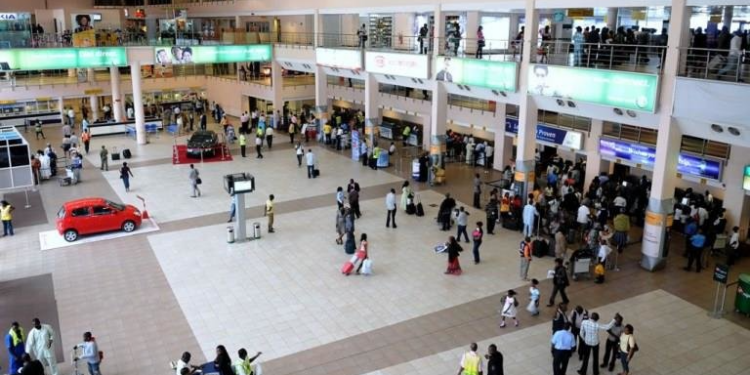
Back home, Nigerian airlines remain heavily dependent on seat sales. High operating costs, currency fluctuations, and regulatory hurdles often erode their profitability. Many carriers struggle to survive beyond a decade of operations, while some have collapsed altogether.
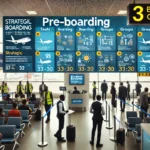
Yet signs of change are emerging. Air Peace, Nigeria’s largest carrier, recently introduced a loyalty-focused customer service model designed to recognize and reward frequent flyers with special privileges. Targeted customers now enjoy benefits such as priority boarding, flexible ticketing, and exclusive service packages, marking a strategic shift toward the ancillary revenue playbook used by global giants.
According to aviation analyst, this move is a step in the right direction:
“Air Peace has shown that Nigerian carriers can think beyond the seat. Loyalty programs are not just about rewarding passengers; they are business assets. If structured properly, Air Peace’s scheme could evolve into a billion-naira revenue generator through partnerships with banks, fintechs, and retailers.”
Financial expert Femi Johnson, a consultant on aviation economics, added that such strategies are critical for survival:
“The Nigerian operating environment is volatile, fuel costs, forex instability, and infrastructure levies hit margins hard. Airlines that depend solely on ticket sales are always at risk. Diversifying into cargo, loyalty services, and bundled products is not optional anymore; it is survival.”
Untapped Opportunities
Beyond loyalty, there are additional billion-dollar opportunities Nigerian carriers could explore:
- Cargo Services: During the COVID-19 pandemic, global carriers turned to cargo as a lifeline. Nigerian airlines could develop structured cargo operations for agro-export, pharmaceuticals, and e-commerce logistics.
- Digital Ancillary Revenue: Personalized offers, from carbon offset programs to in-flight Wi-Fi, travel insurance bundles, and holiday packages, could create new revenue lines.
- Partnership Ecosystems: Collaborations with hotels, car rentals, and tourism boards would allow Nigerian carriers to capture value across the entire travel chain, not just the flight.
A Roadmap for Survival and Growth
Experts argue that for Nigerian airlines, diversification is no longer optional, it’s a survival strategy. The volatility of jet fuel costs, foreign exchange shortages, and airport levies make reliance on ticket sales unsustainable.
As aviation consultant Captain Jide Adesina explained:
“The seat gets passengers onboard, but the billions are made from what surrounds that seat. Nigerian airlines must realize that profitability lies in creating a travel ecosystem, not just flying people from Lagos to Abuja.”
Globally, the seat may initiate the journey, but it is everything wrapped around that journey, comfort upgrades, loyalty ecosystems, cargo logistics, and lifestyle partnerships, that drives long-term profitability. With Air Peace taking the first steps toward loyalty-driven services, the roadmap for Nigerian aviation is becoming clearer. If other carriers follow suit, Nigeria could see its airlines transform from struggling operators into billion-dollar aviation brands.
Experts say Nigerian airlines must emulate United Airlines’ strategy of making money beyond ticket sales. With Air Peace testing loyalty-focused services, diversification into cargo, partnerships, and ancillary revenue could be the key to survival.
Discover more from Ameh News
Subscribe to get the latest posts sent to your email.