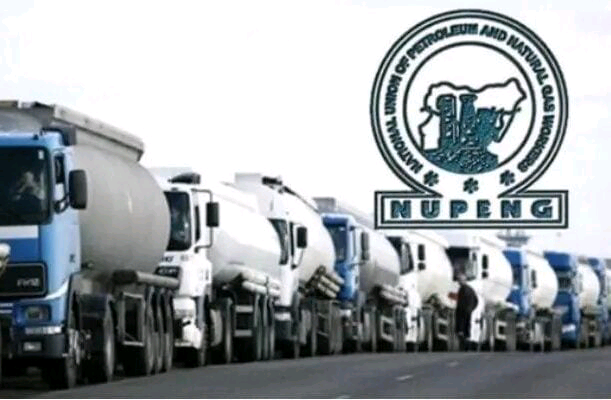
 Nigeria’s oil and gas industry is once again at the center of a national storm as the Petroleum and Natural Gas Senior Staff Association of Nigeria (PENGASSAN) and the Nigeria Union of Petroleum and Natural Gas Workers (NUPENG) have openly rejected the Federal Government’s alleged plans to sell significant stakes in Joint Venture (JV) assets managed by the Nigerian National Petroleum Company Limited (NNPC Ltd).
At a press briefing in Abuja, PENGASSAN President, Comrade Festus Osifo, and NUPENG President, Comrade Williams Akporeha, described the move as “reckless and dangerous,” warning that it could compromise the country’s economic stability, weaken its oil industry, and jeopardize the welfare of workers.
The unions revealed that the government is considering reducing its holdings in JV assets—currently between 55 and 60 percent—by as much as 30 to 35 percent for quick revenue. “This is short-sighted and amounts to mortgaging the future of coming generations for today’s cash,” Osifo said.
They recalled past divestments by international oil companies such as ENI, ExxonMobil, and Shell, where their assets were transferred to local players. According to the unions, further sales of government stakes would leave NNPC Ltd vulnerable, unable to meet obligations like staff salaries, welfare packages, and its contributions to the national budget.
On a broader scale, the unions also raised alarm over alleged moves to amend the Petroleum Industry Act (PIA) of 2021, claiming that the Ministry of Finance seeks to edge out the Ministry of Petroleum from joint ownership of NNPC Ltd. Such a move, they argued, would amount to a “backdoor hijack” that could strip the national oil company of its strategic role, damage investor confidence, and ultimately drive it toward insolvency.
“Whoever mooted this idea, whether from the Ministry of Petroleum, Ministry of Finance, NNPC Ltd, or the Presidency itself, we reject it 100 percent. The President must intervene to stop this dangerous path,” the unions declared.
Expert Perspectives
Energy economists and oil industry analysts have lent weight to the unions’ fears. Dr. Chinedu Okonkwo, an oil and gas policy expert, told Leadership Media that while asset sales may provide short-term fiscal relief, the long-term consequences could be severe.
“Selling down national stakes in strategic JV assets is not just about raising cash—it’s about giving away control of the nation’s energy future. Once those assets are gone, they are gone forever. Nigeria could be forced into unfavorable positions in global energy negotiations,” Okonkwo said.
Similarly, financial analyst Mrs. Temilola Adebayo warned that the sale of JV assets could spook investors. “International and local investors need stability. Moves like this suggest desperation and short-termism. It will undermine confidence in the government’s ability to implement coherent energy policy,” she explained.
From the labor angle, industrial relations specialist Mr. Seyi Alade emphasized the social risks. “If NNPC Ltd becomes too weakened to meet wage obligations, we could see industrial unrest across the energy sector. The ripple effect on power supply, downstream operations, and even government revenue would be massive.”
The Larger Picture
For many Nigerians, this clash is more than just a policy dispute—it is a reflection of the nation’s recurring struggle to balance immediate fiscal needs with long-term economic sovereignty. With oil still accounting for the lion’s share of government revenue, any missteps in asset management could reverberate across every sector of the economy.
As the unions mobilize, and experts raise the alarm, pressure is mounting on President Bola Ahmed Tinubu to intervene decisively. The coming weeks may well determine whether Nigeria protects its crown jewel—the NNPC Ltd—or trades it for quick cash at the expense of future generations.
Nigeria’s oil workers’ unions, PENGASSAN and NUPENG, reject FG’s planned sale of NNPC JV assets, warning of economic collapse, weakened industry, and social unrest. Experts caution against short-term gains over long-term national control.
Discover more from Ameh News
Subscribe to get the latest posts sent to your email.