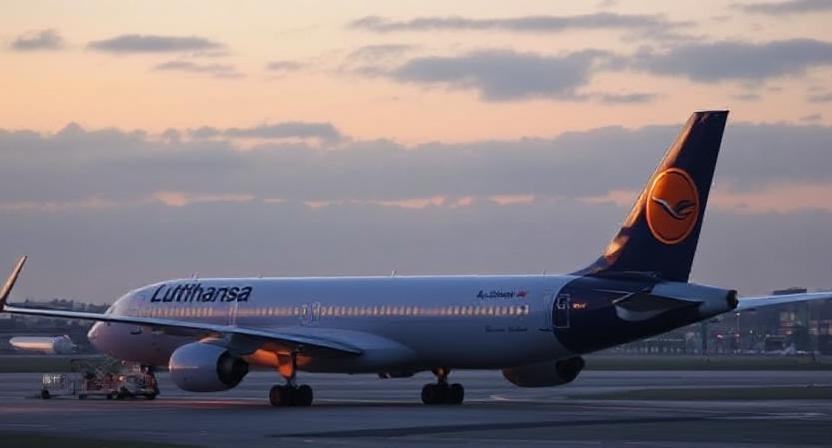
 Lufthansa, Germany’s largest airline and one of Europe’s aviation giants, has announced a sweeping transformation plan that will redefine its workforce, technology adoption, and fleet operations over the next five years.
According to a report from Travels and Tours World (TTW), the airline will cut 4,000 jobs by 2030, with the reduction primarily targeting administrative roles. This move, Lufthansa says, is aimed at streamlining operations, reducing overhead costs, and leveraging artificial intelligence (AI) to boost productivity and decision-making efficiency.
The restructuring is part of a broader growth strategy designed to help the airline remain profitable and competitive amid rising fuel prices, global sustainability demands, and rapidly evolving passenger expectations.
AI at the Heart of Lufthansa’s Transformation
Lufthansa plans to integrate AI across multiple areas of its operations, particularly in administrative workflows, customer service, and predictive maintenance. By automating routine tasks and deploying advanced analytics, the airline expects to cut costs, accelerate processes, and improve overall efficiency.
Industry analysts note that while AI-driven automation will reshape Lufthansa’s workforce, it is also a necessary evolution for airlines striving to stay ahead in the digital economy. “This is a bold but inevitable step. The aviation industry can no longer rely on legacy systems in an era where technology dictates competitiveness,” said one industry observer.
230 New Aircraft: A Fleet for the Future
Beyond workforce restructuring, Lufthansa will embark on the largest fleet modernization in its history, bringing in more than 230 new aircraft over the coming years. These next-generation planes are designed to be significantly more fuel-efficient, reducing carbon emissions and lowering operating costs.
The fleet renewal is central to Lufthansa’s long-term sustainability agenda. By replacing older aircraft with modern, eco-friendly models, the airline aims to strengthen its environmental credentials while enhancing passenger comfort and reliability. FAAN GO cashless
Balancing Workforce Cuts with Passenger Confidence
Although the announcement of job cuts will raise concerns among unions and employees, Lufthansa has assured stakeholders that the changes are designed to minimize disruption to passengers. The company emphasized that while administrative roles will be affected, frontline operations and customer-facing staff will remain a critical priority.
The dual strategy—cutting costs through AI while investing heavily in fleet modernization—reflects Lufthansa’s determination to remain a global aviation leader. By focusing on efficiency, sustainability, and innovation, the airline hopes to navigate industry turbulence while building resilience for the future.
What This Means for Passengers
For passengers, Lufthansa’s transformation plan carries both immediate reassurances and long-term benefits. While the airline is cutting jobs on the administrative side, it has made clear that frontline operations—pilots, cabin crew, and ground staff—will not be directly impacted, ensuring service delivery remains unaffected.
- More Modern Aircraft, Greater Comfort:
The introduction of 230 next-generation planes means travelers can expect quieter cabins, more fuel-efficient flights, and an overall reduction in the airline’s carbon footprint. Many of these aircraft are also equipped with improved seating configurations, enhanced in-flight entertainment, and faster Wi-Fi connectivity. - Improved Reliability Through AI:
With AI-enabled predictive maintenance, passengers may see fewer delays caused by technical issues. AI will also streamline flight scheduling and customer service, potentially leading to faster responses and smoother travel experiences. - Sustainability at the Forefront:
As Lufthansa replaces its older jets with eco-friendly models, passengers can expect to see the airline’s carbon reduction initiatives tied to ticketing options, loyalty programs, and future green incentives. - Pricing Outlook:
Efficiency gains from AI and fleet modernization could help stabilize fares in the long term, even as global market pressures remain.
In short, passengers flying Lufthansa in the coming years can anticipate a smarter, greener, and more reliable travel experience—a reflection of the airline’s ambition to blend efficiency with sustainability while keeping customer satisfaction at the heart of its strategy.
Lufthansa will cut 4,000 administrative jobs by 2030 while investing in AI-driven efficiency and adding 230 new aircraft in its biggest fleet renewal, promising passengers a smarter, greener, and more reliable travel experience.
Discover more from Ameh News
Subscribe to get the latest posts sent to your email.