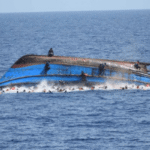
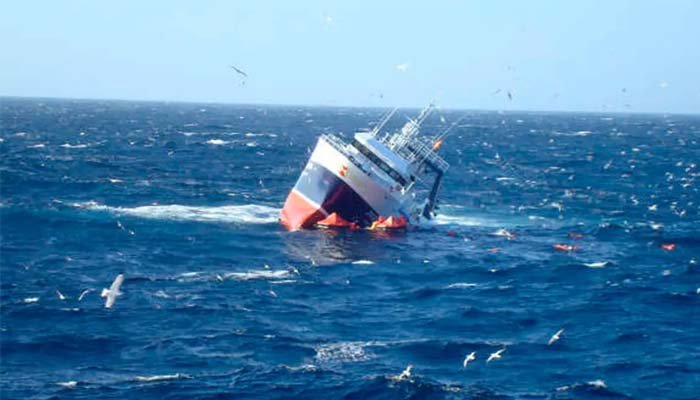
 At least 20 people have been confirmed dead and many more remain missing after yet another devastating boat mishap in Kogi State. The tragedy, which unfolded along one of the state’s major inland waterways, has thrown entire communities into mourning and reopened old wounds from previous disasters on Nigeria’s rivers.
Chaos on the River
Eyewitnesses said the wooden vessel, packed with traders, farmers, and students heading to market, capsized after hitting turbulent currents. Many passengers, without life jackets, were flung into the deep waters.
“I saw the boat tilt and then suddenly water rushed in,” said Ibrahim Musa, a farmer who survived by clinging to a floating plank. “People were screaming, children crying, but the river swallowed them. I can still hear their voices in my head.”
Another survivor, Mrs. Hannah Oche, who lost her teenage daughter, could barely speak through tears. “We begged the operator not to overload the boat, but he said it was fine. Now my child is gone. Who will answer for this?”
Rescue efforts by local divers saved some lives, but most bodies were retrieved hours later. Families continue to comb the riverbanks for missing loved ones, with prayers whispered as each body is pulled out.
A Recurring Nightmare in Kogi
This disaster is part of a tragic pattern in Kogi State, which sits at the confluence of the Niger and Benue rivers. Boat mishaps have become all too frequent in Lokoja, Ibaji, and Bassa Local Government Areas. Each incident has exposed the same root causes—overloading, rickety vessels, disregard for safety rules, and lack of regulatory enforcement.
Yet, despite countless promises by authorities, the cycle of loss continues.
NSIB Mandate Missing in Action
Perhaps the most troubling aspect is the absence of the Nigerian Safety Investigation Bureau (NSIB) in the aftermath. By law, NSIB is tasked with investigating transportation accidents across aviation, rail, road, and marine sectors to determine causes and issue safety recommendations.
In this case, however, no such investigation has been announced.
“You cannot prevent future accidents if you don’t know what caused the last one,” remarked Engr. Samuel Adewale, a maritime safety consultant. “The silence of NSIB means there will be no lessons learned, no accountability, and tragically, no guarantee it won’t happen again.”
Without investigations into what went wrong—whether operator negligence, structural faults, or regulatory failure—the same mistakes will repeat themselves, leaving river communities vulnerable.
A Call for Urgent Reform
Experts and community leaders are now calling for urgent reforms, including:
- Mandatory NSIB investigations into all water transport accidents.
- Strict enforcement of safety rules by the National Inland Waterways Authority (NIWA).
- Provision of life jackets for every passenger.
- Replacement of rickety boats with modern, certified vessels.
- Community sensitization campaigns against night travel and boat overloading.
Reflection Beyond Mourning
For families left behind, grief is immeasurable. For Nigeria, the reflection is unavoidable: these deaths are not acts of fate but the result of systemic neglect.
“Every time this happens, government officials come, they cry with us, and then they leave,” said Chief Eneojo Ameh, a community elder in Bassa. “But nothing changes. How many more must die before they act?”
Until authorities prioritize safety and accountability, Nigeria’s waterways will remain rivers of sorrow, robbing families of breadwinners, children, and hope.
At least 20 people have died in a Kogi boat mishap with many still missing. Survivors recount harrowing escapes as experts blame poor safety enforcement and the absence of NSIB investigations. Calls grow for urgent reforms to end recurring tragedies on Nigeria’s waterways.
Discover more from Ameh News
Subscribe to get the latest posts sent to your email.