 For over five decades, Nigeria has championed policies promoting local content development and industrial self-reliance. Yet, despite countless declarations, executive orders, and economic blueprints, the nation’s manufacturing sector continues to suffer from weak implementation, inconsistent enforcement, and lack of political will.
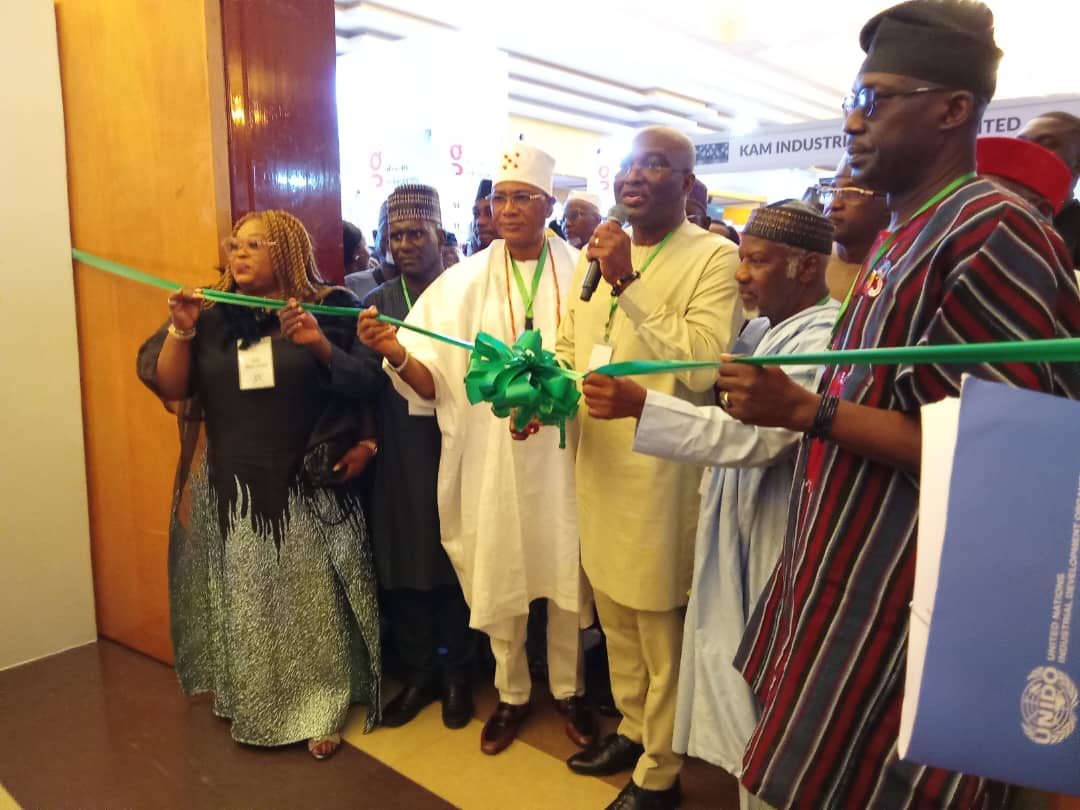
At the 53rd Annual General Meeting (AGM) of the Manufacturers Association of Nigeria (MAN) held recently in Lagos, the Association’s President, Otunba Francis Meshioye, OFR, reflected on Nigeria’s long and chequered industrial journey, describing it as a story of “great intentions but poor execution.”
“For over 50 years, we have celebrated local content in speeches and policy documents, yet failed to enforce it in practice,” Meshioye lamented.
“Many ministries, departments, and agencies still rely on imports, even where superior local alternatives exist. We must move from policy pronouncements to practical implementation.”
The Journey So Far: 50 Years of Promises and Setbacks
Since the early 1970s, Nigeria’s industrial and local content policies have evolved through several reform eras — each marked by high hopes and, too often, disappointing outcomes.
Below is a historical reflection on key milestones that shaped Nigeria’s quest for industrial independence and economic nationalism:
1970s – The Dawn of Industrial Ambition
The 1970s ushered in Nigeria’s first major import substitution drive. The government established state-owned manufacturing enterprises in steel, textiles, automobiles, and cement to reduce dependence on foreign goods.
The Nigerian Enterprises Promotion Decrees of 1972 and 1977 sought to indigenize ownership of foreign companies and empower local investors.
However, the oil boom of the era encouraged overreliance on petroleum exports, poor industrial planning, and neglect of manufacturing competitiveness.
1980s – The Age of Economic Retrenchment
The Structural Adjustment Programme (SAP) of the mid-1980s liberalized Nigeria’s trade regime, but at a cost — local industries were suddenly exposed to cheaper imports.
Factory closures became rampant, while industrial productivity plummeted. The once-promising manufacturing sector lost its protective shield as currency devaluation and inflation drove production costs beyond sustainable levels.

1990s – Deregulation Without Discipline
The 1990s saw further economic liberalization and privatization, but without a strong framework to support local producers. Infrastructure collapse, poor power supply, and policy inconsistency became major bottlenecks.
Manufacturing’s share of GDP declined sharply, and Nigeria’s import dependence deepened.
2000s – Local Content Revival in the Oil Sector
The new millennium brought a renewed local content movement, spearheaded by the Nigerian Oil and Gas Industry Content Development (NOGICD) Act of 2010.
This landmark legislation compelled oil companies to integrate Nigerian firms into their operations — a success story that showed what political will could achieve.
However, similar enforcement was lacking in non-oil sectors such as manufacturing, construction, and technology.
Meanwhile, the “Buy Naija, Grow the Naira” campaign gained visibility but struggled to move beyond slogans due to weak coordination and limited policy backing.
2010s – Executive Orders and Selective Compliance
Between 2017 and 2018, Executive Orders 003 and 005 were issued under the Muhammadu Buhari administration to compel government agencies to prioritize locally made goods in procurement.
While these directives were widely celebrated, monitoring and enforcement mechanisms were absent. Selective compliance among MDAs rendered the policies largely ineffective.
2020s – The “Nigeria First” Agenda
Under President Bola Ahmed Tinubu’s administration, the conversation on industrial self-reliance has regained urgency. MAN’s “Nigeria First” advocacy calls for a bold shift from dependency on imported goods to the institutionalization of local procurement across government and private sectors.
Meshioye has proposed the establishment of an independent compliance agency to monitor and publish annual reports on the level of Made-in-Nigeria patronage across Ministries, Departments, and Agencies.
“We must hold ourselves accountable,” he insisted. “Government spending must align with industrial growth goals. Let us know which institutions genuinely support Nigerian products and which do not.”
He also reiterated MAN’s call for the Federal Government to designate an annual “Proudly Nigeria Day”, during which all citizens and public officials would wear, use, and consume Made-in-Nigeria products to renew economic patriotism and consumer confidence.
Lessons from Decades of Unfulfilled Potential
Experts and industrial leaders agree that Nigeria’s industrial underperformance stems not from a lack of policies but from a failure to execute them consistently.
Despite robust frameworks and abundant natural resources, the country’s manufacturing base remains shallow. Energy costs are high, access to finance remains difficult, and infrastructural gaps continue to deter large-scale production.
“Every successful industrial economy — from China to India — began by protecting and promoting its local industries,” Meshioye reminded.
“Nigeria must learn from their discipline. We must go beyond policy formulation to decisive enforcement.”
Reflection: Charting a New Course
As MAN marks over five decades of advocacy, the Association insists that the next decade must be one of industrial accountability and measurable progress.
It calls for the integration of Nigerian manufacturers into government procurement chains, improved infrastructure and access to credit, and transparent reporting on local content compliance.
If these reforms are pursued with sincerity and consistency, Nigeria could finally achieve what generations of policymakers envisioned — an industrial revolution anchored on local content, national pride, and economic self-reliance.
“It’s time to transform patriotic rhetoric into real economic action,” Meshioye concluded. “Our industrial future depends on how boldly we choose Nigeria first.”
For over 50 years, Nigeria has struggled to enforce its local content policies despite multiple initiatives since the 1970s. At MAN’s 53rd AGM, President Otunba Francis Meshioye reflected on decades of policy failure and called for an independent monitoring agency, a national “Proudly Nigeria Day,” and stronger enforcement of Made-in-Nigeria patronage.
Discover more from Ameh News
Subscribe to get the latest posts sent to your email.