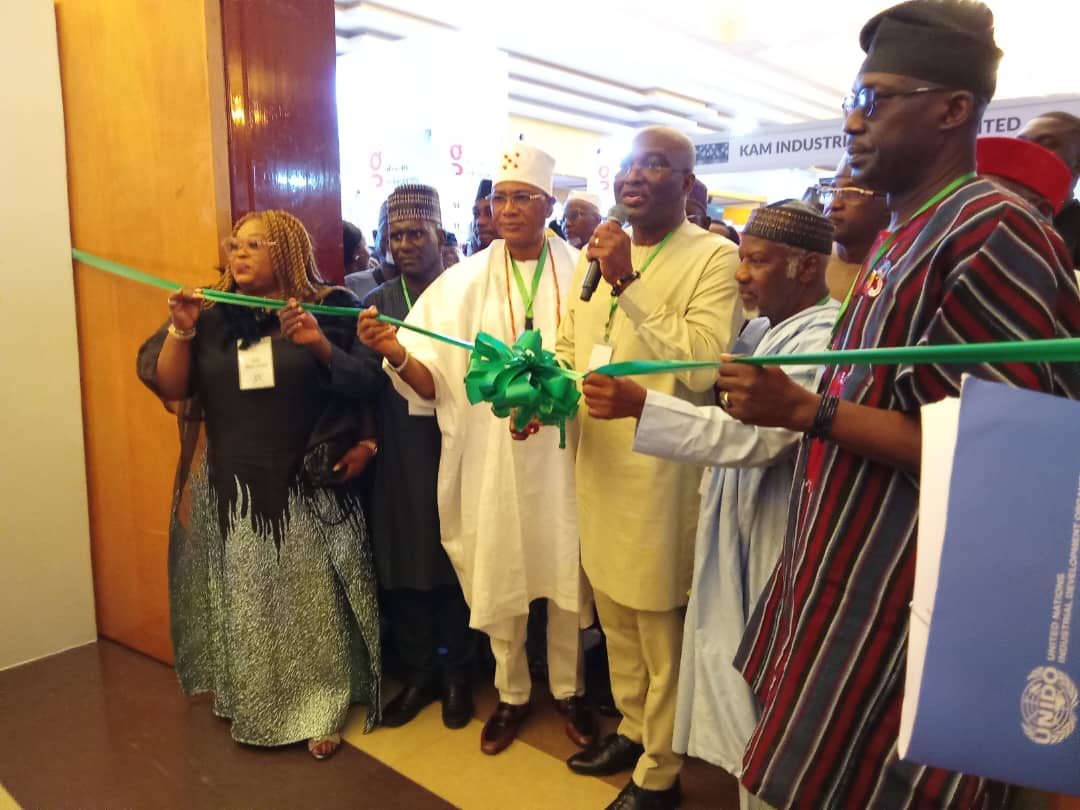
 The Manufacturers Association of Nigeria (MAN) has renewed its call for a structured and independent monitoring mechanism to ensure the consistent patronage of Made-in-Nigeria products across government and corporate procurement channels.
Speaking at the 53rd Annual General Meeting (AGM) of MAN in Lagos, Otunba Francis Meshioye, OFR, President of MAN, emphasized that such an agency would be critical to enforcing the “Nigeria First” policy, promoting local content, and creating accountability for both public and private sector procurement decisions.
“We must establish a functional, independent compliance agency tasked with auditing patronage levels, recommending corrective action, and publicly disclosing performance across Ministries, Departments, and Agencies of government,” Meshioye said.
“Let it be clear which institutions are genuinely driving local economic empowerment and those that are not. Corrective and disciplinary measures must be taken against the latter.”
A National Call for Economic Patriotism
Meshioye framed the proposal within the broader theme of the AGM, “Nigeria First: Prioritizing Patronage of Made-in-Nigeria.” He highlighted the need for citizens, corporations, and government agencies to actively support locally manufactured goods to boost economic growth, create jobs, and reinforce national pride.
“Every industrialised nation began by nurturing local content and leveraging procurement as a tool for scale production and economic development. Nigeria must do the same,” he noted.
“This is not about closing our doors to the world but about opening the right doors to Nigerian solutions, Nigerian ingenuity, and Nigerian jobs.”
Corporate Nigeria Must Play Its Part
Beyond government action, Meshioye challenged corporate Nigeria, including multinationals and conglomerates, to align with the “Nigeria First” vision by sourcing raw materials, packaging, and inputs locally. He lamented that legacy procurement practices and outdated cost assumptions continue to drive many firms to import goods that are already produced locally to global standards.
“Corporate Nigeria must recognise the value of local sourcing. Many inputs are available domestically and meet international quality benchmarks. A shift in procurement habits will reinforce industrial growth and reduce import dependence,” Meshioye said.
Challenges Facing Local Manufacturers
The MAN President also acknowledged the structural challenges constraining Nigerian manufacturers. High energy costs, limited access to credit, inadequate infrastructure, and security concerns remain significant hurdles to competitiveness.
“Manufacturers operate in a challenging environment. To successfully implement the Nigeria First agenda, these systemic issues must be addressed urgently,” he emphasized.
Flashback and Reflection
MAN’s advocacy for an independent monitoring agency echoes its long-standing mission to protect and promote Nigerian industries. Analysts describe the proposal as both pragmatic and symbolic, creating a framework that ensures policy pronouncements translate into actionable results.
By institutionalizing oversight, the proposed agency would hold public institutions accountable, enhance transparency, and foster a culture of economic patriotism — making the consumption of Made-in-Nigeria products a national priority.
“Now is the time to turn words into action. Nigeria’s industrial future depends on how boldly we choose local products in our everyday economic decisions,” Meshioye concluded.
The Manufacturers Association of Nigeria (MAN) calls for an independent agency to monitor the patronage of Made-in-Nigeria products. MAN President Otunba Francis Meshioye urges government and corporate compliance to strengthen local industries, enhance transparency, and promote the Nigeria First policy.
Discover more from Ameh News
Subscribe to get the latest posts sent to your email.