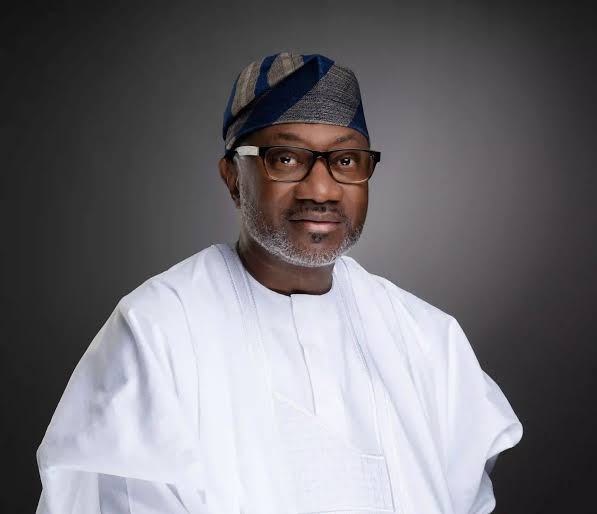
 In a move that continues to reverberate across Nigeria’s capital market, billionaire businessman Femi Otedola, Chairman of Geregu Power Plc, recently sold part of his stake in the power generation firm in a transaction valued at about ₦1.19 billion. The divestment, insiders say, was a strategic liquidity move to boost his holdings in FBN Holdings Plc (First Bank’s parent company) as financial institutions race to meet the Central Bank of Nigeria’s (CBN) recapitalisation deadline.
But beyond the figures, the transaction has ignited market chatter about where Otedola’s deepest influence — and financial health — now truly lies.
Market Hearsay and the “Healthier Bet” Debate
Within the investment community, whispers have grown louder suggesting that Otedola’s position as Chairman of FBN Holdings may be a more financially rewarding and stable bet than his investment in Geregu Power Plc — at least in the current economic climate.
Power sector analysts point to persistent regulatory bottlenecks, liquidity shortfalls in the electricity value chain, and delayed tariff reviews that have slowed returns for power generation companies (GenCos).
By contrast, FBN Holdings — one of Nigeria’s largest financial institutions with over 130 years of history — has demonstrated remarkable resilience and consistent profitability, making it an attractive investment vehicle in an era of monetary tightening and financial reforms.
“Many in the market see Otedola’s FBN Holdings chairmanship as the crown jewel of his portfolio right now,” remarked Celestine Ukpong, a Lagos-based economist and investment advisor. “While Geregu Power remains a solid long-term asset, the financial sector — particularly a legacy institution like First Bank — offers faster liquidity, more visibility, and a broader influence over Nigeria’s economic narrative.”
From Power to Banking: A Calculated Rebalance
The ₦1.19 billion divestment is widely viewed as Otedola’s rebalancing act — trimming exposure in the capital-intensive power sector while strengthening his foothold in Nigeria’s financial system.
The timing could not be more strategic. With the CBN’s recapitalisation policy compelling banks to raise billions in new equity to meet updated capital thresholds, Otedola’s increased stake in FBN Holdings is seen as both a vote of confidence in the institution’s stability and a personal hedge against broader market volatility.
Industry observers note that such a move reflects Otedola’s pattern of anticipating shifts in regulatory environments and adjusting his portfolio ahead of market reactions.
“This is a businessman who doesn’t wait for the tide — he reads it,” said a market analyst at Chapel Hill Denham. “By moving funds from Geregu Power into FBN Holdings now, Otedola is not abandoning the energy sector; he’s simply prioritising agility and influence in a period of policy transition.”
Geregu Power’s Legacy Still Intact
Despite the divestment, Geregu Power Plc remains a cornerstone of Otedola’s business empire. As the first power company to list on the Nigerian Exchange (NGX), Geregu symbolises Otedola’s enduring faith in Nigeria’s energy potential. The company continues to attract strong investor interest, buoyed by solid earnings and credible governance structures.
However, the market reality is that banking stocks currently offer faster capital gains and liquidity than utilities — a fact not lost on high-net-worth investors like Otedola.
The sale, therefore, should not be read as a retreat from power generation but as a strategic repositioning in favour of regulatory-aligned investments capable of producing higher returns within shorter timeframes.
Confidence in First Bank’s Transformation
Since assuming the role of Chairman of FBN Holdings, Otedola has brought fresh confidence and stability to the institution. His track record as a turnaround investor — from Zenon Petroleum to Forte Oil and now FBN Holdings — continues to bolster market sentiment around his leadership.
His decision to increase his stake further signals long-term confidence in First Bank’s transformation plan and its ability to meet the CBN’s recapitalisation requirements without external strain.
Financial insiders describe the move as a symbol of patriotic investment, demonstrating belief in the Nigerian banking system’s ability to drive industrial and economic renewal.
A Reflection on Otedola’s Business Philosophy
Looking back over two decades, Femi Otedola’s career has been defined by one recurring theme — strategic timing. Whether it was entering oil marketing at a time of deregulation, exiting the downstream petroleum sector before its collapse, or venturing into power when privatisation was still nascent, Otedola has shown a rare instinct for reading the pulse of policy and profit.
His recent decision to reallocate capital between Geregu Power and FBN Holdings fits neatly into this pattern. It is the act of a businessman who sees opportunity not in sectors, but in seasons — moving with the wind of reform and reinvesting where national growth meets private value.
The Pendulum
While market gossip frames the Geregu-to-FBN transition as a “healthier shift,” the bigger picture reveals a masterclass in financial adaptability. Otedola is not abandoning power; he is reinforcing power — financial power, influence power, and the kind of capital that builds confidence in Nigeria’s economic rebirth.
As the CBN’s recapitalisation process unfolds, his bold play will likely inspire other indigenous investors to make similar moves — aligning personal strategy with national policy in the collective march toward a stronger, more resilient Nigerian economy.
Billionaire Femi Otedola sells ₦1.19 billion worth of Geregu Power shares to expand his holdings in FBN Holdings amid the CBN recapitalisation deadline — sparking market debate that his First Bank chairmanship is now a healthier, more profitable position than his power sector investments.
Discover more from Ameh News
Subscribe to get the latest posts sent to your email.