Abuja’s evolution from a planned capital into a thriving hub of governance, real estate, technology, and diplomacy is redefining Nigeria’s pathway to a trillion-dollar economy by 2030.
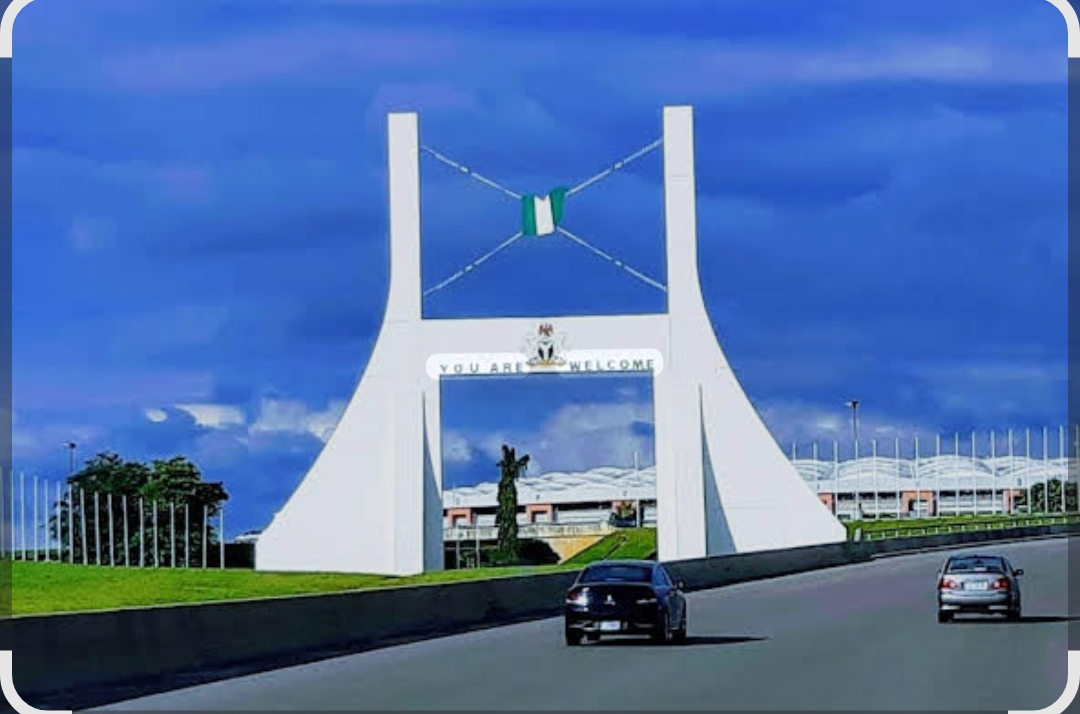 Abuja, Nigeria’s Federal Capital Territory, is no longer just the nation’s seat of government, it has become the heartbeat of a new economic narrative. Once a symbol of national unity and administrative efficiency, the city has transformed into a vibrant ecosystem where governance, real estate, technology, and diplomacy intersect to fuel Nigeria’s ambition of attaining a $1 trillion economy by 2030.
A reflective look at Abuja’s growth over the past four decades reveals how deliberate planning, visionary governance, and private sector dynamism have converged to create an economic hub that mirrors Nigeria’s evolving potential.
Governance as the Engine Room of Transformation
When Abuja was conceived in the late 1970s and commissioned as the Federal Capital in 1991, it was designed to represent neutrality, equity, and progress. Today, that founding philosophy has matured into a structured governance model that underpins national economic administration.
The concentration of Ministries, Departments, and Agencies (MDAs) in the city has made Abuja the command center of fiscal coordination and policy execution. Every major reform, from the Treasury Single Account (TSA) to the ongoing fiscal discipline frameworks — originates from its corridors of power.
Economic analyst from the Nigerian Institute of Management explained that Abuja’s administrative capacity extends beyond bureaucracy:
“Abuja is not just the political capital; it’s the economic compass that sets the direction for the country. Every major reform begins here and ripples through the economy — whether it’s monetary policy, digital governance, or investment facilitation.”
Under President Bola Ahmed Tinubu’s “Renewed Hope” economic vision, Abuja has seen intensified fiscal and infrastructural reforms. The introduction of digital systems in public service delivery and the strengthening of investment facilitation policies by the Presidential Enabling Business Environment Council (PEBEC) have reinforced the city’s leadership role as a governance model for efficient public administration and business reforms.
The Real Estate Boom: Turning Red Earth into Gold
Abuja’s skyline tells the story of one of Africa’s fastest-growing real estate markets. What started as government-led housing developments in Garki and Wuse has expanded into a multi-trillion-naira sector stretching through Maitama, Guzape, Katampe, and beyond.
According to figures from the Federal Mortgage Bank of Nigeria (FMBN), the Abuja real estate sector contributes significantly to Nigeria’s GDP and employs thousands of artisans, engineers, and professionals. With steady demand for residential, commercial, and diplomatic property, the city continues to attract both local and foreign investors seeking long-term returns.
Real estate consultant from the Crownfield Properties noted:
“Abuja is a real estate investor’s dream. Unlike many African cities, its growth is guided by urban planning. There’s security of title, clear infrastructure plans, and consistent demand, driven by both governance and global presence.”
Satellite towns such as Kubwa, Lugbe, and Kuje have evolved into thriving communities supporting middle-income families and civil servants. Meanwhile, high-end districts like Guzape and Jabi showcase a mix of luxury estates, smart homes, and commercial complexes powered by renewable energy, aligning with Nigeria’s sustainable housing drive.
Urban economist Olufemi Ogunleye added:
“Abuja’s property market is one of the most stable in Africa. Its resilience is tied to governance presence, infrastructure development, and the influx of international organizations that require high-standard accommodation.”
Technology and Innovation: Abuja’s Silent Revolution
While Lagos is often celebrated as Nigeria’s commercial tech capital, Abuja has steadily positioned itself as the country’s policy and innovation nerve center. The presence of the National Information Technology Development Agency (NITDA), Galaxy Backbone, and multiple innovation hubs has given rise to a new generation of tech entrepreneurs building solutions around government, finance, and education.
Dr. Kashifu Inuwa Abdullahi, Director-General of NITDA, has repeatedly emphasized that Abuja’s digital economy blueprint is vital to Nigeria’s future:
“Abuja is becoming the hub for policy-led innovation. The goal is to make digital technology the engine of Nigeria’s growth, contributing 20–25% to the nation’s GDP by 2030.”
Tech hubs such as Civic Innovation Lab in Wuse and Aiivon Hub in Jahi are training young Nigerians in artificial intelligence, data analytics, and software engineering. Many of these startups are now servicing clients across Africa, reflecting Abuja’s growing digital footprint.
Technology strategist with the Innovate360 Africa, observed that Abuja’s strength lies in its balance between policy and innovation:
“While Lagos focuses on startup culture, Abuja provides the policy framework that sustains tech growth. The synergy between government agencies and innovators here is driving inclusion and digital literacy nationwide.”
Diplomacy: The City Where Global Deals Begin
Abuja’s position as a diplomatic capital has made it the stage for many of Africa’s most critical international engagements. Hosting over 150 embassies and consulates, the city is home to multilateral agencies such as the United Nations, World Bank, African Development Bank, and JICA, all of which contribute to Nigeria’s socio-economic development.
Retired Ambassador Joshua Okolo, a former envoy and international relations scholar, described Abuja as a soft power incubator:
“Abuja’s diplomatic ecosystem is central to Nigeria’s global economic narrative. It is where partnerships are forged, trade agreements are negotiated, and foreign investment is cultivated.”

Beyond traditional diplomacy, the presence of international NGOs, think tanks, and development agencies in Abuja injects millions of dollars annually into the local economy through service contracts, conferences, and employment. The city’s international conferences, such as the Nigeria Economic Summit, Africa Social Impact Summit, and Energy Transition Dialogues, attract global participation and investment.
Infrastructure and Urban Sustainability: The New Frontier
Under the current FCT Administration led by Minister Nyesom Wike, Abuja has entered a new phase of infrastructural renewal. Major arterial roads, bridges, and residential linkages are being completed, while the Abuja Light Rail Project is gradually being reactivated to ease transportation and promote urban connectivity.
Civil engineer and infrastructure analyst Engr. Musa Lawal explained:
“Abuja’s infrastructure expansion reflects a clear vision, to build a sustainable, smart, and inclusive city that can support future population growth and investment inflows. The city’s energy and transport systems are now being integrated with technology for efficiency.”
Plans for the Abuja Smart City Initiative include the integration of solar power grids, digital traffic management, and water resource optimization. These align with the Federal Government’s green economy and energy transition agenda, positioning Abuja as a model for climate-resilient urban development.
A City Becoming a Nation’s Economic Compass
Abuja’s transformation encapsulates Nigeria’s broader ambition, a nation steering itself toward self-sufficiency, innovation, and sustainability. The convergence of governance, real estate growth, digital innovation, and diplomacy has created an urban economy that both supports and symbolizes Nigeria’s trillion-dollar vision.
As economist Celestine Ukpong succinctly put it:
“Abuja is not just a city; it is Nigeria’s policy laboratory, a place where ideas are tested, governance is refined, and the economy is shaped. Its success is directly tied to Nigeria’s future economic resilience.”
From the corridors of power in the Three Arms Zone to the innovation hubs of Wuse, from the embassies of Asokoro to the construction sites of Guzape, Abuja continues to evolve, embodying both the challenges and the promise of Africa’s most ambitious economy-in-the-making.
Abuja’s transformation from a quiet administrative capital into a dynamic hub of governance, real estate, technology, and diplomacy is redefining Nigeria’s path toward a $1 trillion economy. Experts say the city’s growth model could become Africa’s template for sustainable urban prosperity.
Discover more from Ameh News
Subscribe to get the latest posts sent to your email.