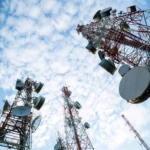
As Nigeria’s telecommunications industry struggles under the weight of poor service quality, network congestion, vandalism, and rising operational costs, a new entrant has emerged, promising to disrupt the status quo. The yet-to-be-named telecom company is making audacious pledges—ranging from free starter services to affordable broadband connectivity, positioning itself as a savior in a sector long plagued by inefficiencies and user frustration.
A Sector on the Brink
For millions of Nigerians, the experience of making a phone call or using mobile data is one of growing disappointment. Dropped calls, sluggish internet connections, and skyrocketing tariffs have become the new normal. Even established operators—MTN, Airtel, Globacom, and 9mobile—have openly lamented the worsening operating environment.
According to industry analysts, the sector’s woes are compounded by vandalism of critical infrastructure, theft of optic cables, energy costs, and the foreign exchange crisis, which has made network expansion almost impossible.
“Telecom operators are spending more to maintain existing networks than to innovate,” said Dr. Femi Akintunde, a telecommunications consultant. “The entry of a new operator at this time is both daring and refreshing.”
The New Challenger’s Bold Vision
The new company, which insiders describe as a “tech-driven next-generation carrier,” is reportedly backed by a consortium of African and Middle Eastern investors. Its core promise is affordable access for all Nigerians, beginning with three months of free voice and data services to new subscribers.
A spokesperson for the company hinted that it plans to introduce satellite-supported connectivity, AI-powered network optimization, and community-based service hubs to reduce downtime and extend rural coverage.
“Our goal is not just to compete but to redefine what connectivity means in Nigeria,” the spokesperson said. “We are introducing a model that is sustainable, inclusive, and technologically advanced.”
Skepticism in the Air
Despite the excitement, experts remain cautious. The Nigerian telecom market is one of the toughest in Africa, with over 220 million subscribers but limited infrastructure to support growth. Existing operators have often accused government agencies of multiple taxation, regulatory bottlenecks, and slow approval processes that stifle innovation.
“It’s one thing to promise free service; it’s another to deliver quality at scale,” noted Mrs. Chika Ugo, a telecom analyst at DataWorx Analytics. “Unless this new player has deep pockets and robust partnerships, sustaining free or low-cost models in Nigeria could be impossible.”
The People’s Perspective
For ordinary Nigerians, however, the news is being received with cautious optimism.
“I don’t mind trying a new network if it works,” said Kunle Adebayo, a student in Lagos. “I’m tired of paying for 10GB and getting 2GB performance.”
Another subscriber, Fatima Yusuf from Kano, added: “If they can bring a steady signal to our area, I will switch immediately. We just want stable service.”
Reflection: A Market Ripe for Reinvention
Nigeria’s telecom story has always been one of paradoxes—massive potential, rapid subscriber growth, but equally rapid decline in service quality. The arrival of this new operator might be the shockwave needed to awaken competition, push innovation, and force existing players to rethink their strategies.
Whether this entrant succeeds or fades into history like many before it will depend on its ability to navigate Nigeria’s regulatory terrain, invest sustainably in infrastructure, and win public trust in a market starved of reliability.
For now, Nigerians are watching closely—hoping that this time, someone finally gets it right.
A new telecom company is entering Nigeria’s struggling telecom market with promises of free and affordable connectivity amid poor networks, vandalism, and high costs. Can it deliver where others have failed?
Discover more from Ameh News
Subscribe to get the latest posts sent to your email.