The Tide of Transformation
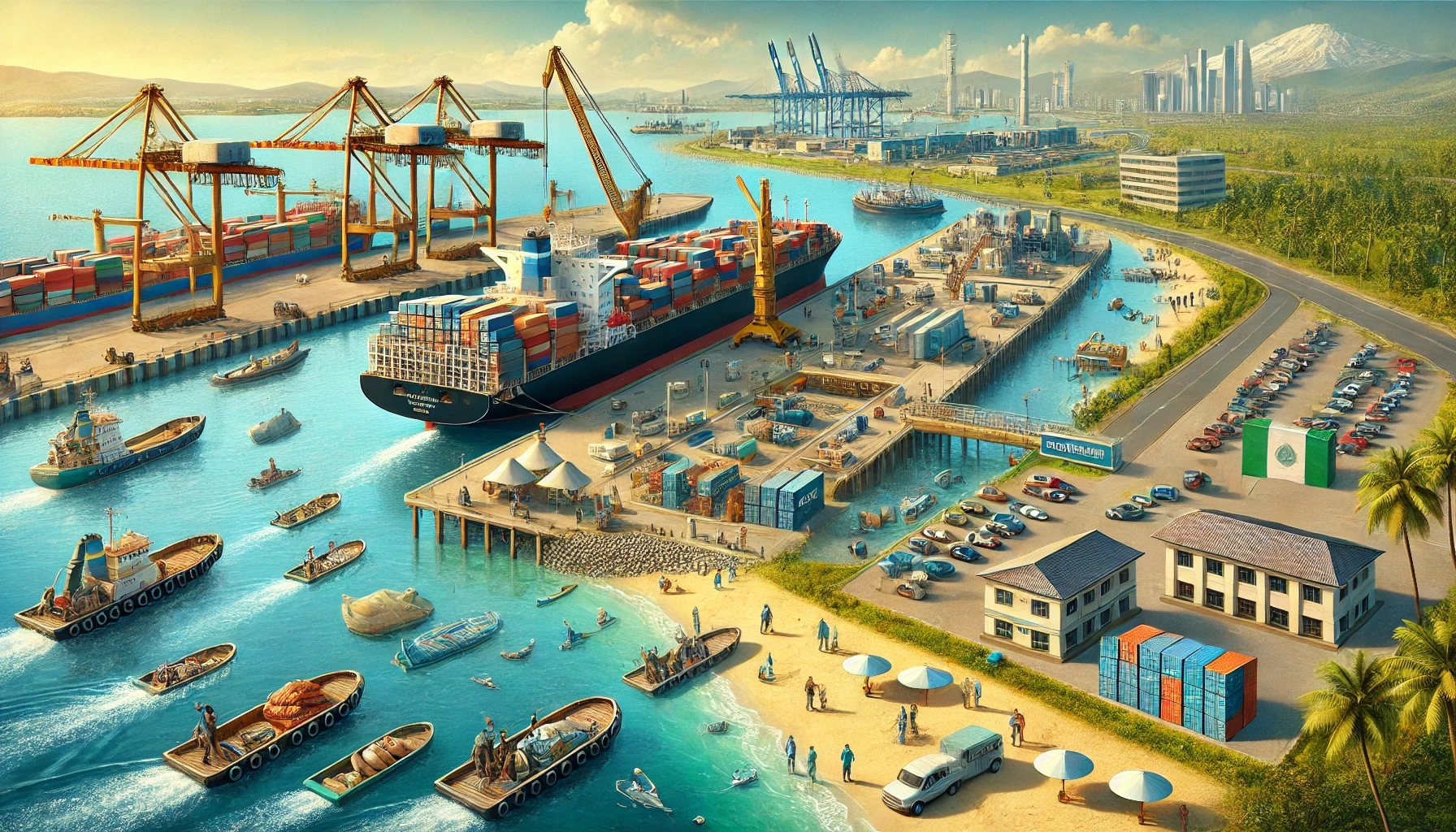 Nigeria’s coastline, stretching over 850 kilometers along the Atlantic, has always been a symbol of trade, travel, and untapped potential. For decades, the country’s maritime sector — from ports to fisheries and tourism — operated below its vast promise. But a quiet revolution is now underway. Through bold reforms, infrastructure renewal, and private sector partnerships, the Federal Government’s Blue Economy initiative is steering Nigeria toward a trillion-naira maritime future.
As the world’s focus shifts from land-based to ocean-based economies, Nigeria is positioning itself as West Africa’s next billion-dollar frontier — where ports, logistics, tourism, insurance, and sustainable marine industries converge to create jobs, attract investment, and boost GDP.
The Blue Economy Vision: From Policy to Prosperity
Since President Bola Ahmed Tinubu established the Federal Ministry of Marine and Blue Economy in 2023, the vision has been clear: transform Nigeria’s waters into a source of national prosperity. Under the leadership of H.E. Adegboyega Oyetola, the Ministry is driving a comprehensive framework that covers port modernization, maritime security, shipbuilding, tourism, and environmental sustainability.
According to Oyetola, “Nigeria’s waters must work for Nigeria. The Blue Economy offers us a pathway to economic diversification, food security, and job creation — not just for coastal communities, but for the entire nation.”
The Ministry’s action plan includes:
- Development of deep-sea ports like Badagry Deep Sea Port, a $2.5 billion project expected to handle 1.5 million TEUs annually.
- Integration of the National Single Window (NSW) for seamless trade documentation.
- Maritime insurance and ship financing reforms to support indigenous operators.
- Investment in coastal tourism through public-private partnerships.
These reforms are not merely infrastructural — they’re structural, creating new value chains and opportunities across industries.
Ports as Growth Engines: Logistics Meets Efficiency
At the heart of this blue revolution are Nigeria’s ports. The Nigerian Ports Authority (NPA), under the leadership of Managing Director Dr. Abubakar Dantsoho, is redefining the operational landscape with digitalization, transparency, and efficiency.
Recent collaborations with the Office of the Vice President, led by Kashim Shettima, aim to fully operationalize the National Single Window by 2026 — a digital trade gateway designed to reduce bottlenecks and enhance competitiveness. This initiative will align Nigeria with global logistics standards and make its ports the preferred destination in West Africa.
Dr. Dantsoho noted, “We are creating a maritime ecosystem that works seamlessly from ship to shore, and from documentation to delivery. The era of inefficiency is ending — Nigeria’s ports are now engines of growth.”
Insurance and Investment: Safeguarding the Blue Economy
As maritime trade and infrastructure expand, marine insurance and risk management have become indispensable pillars. Industry leaders such as AIICO Insurance, Boff & Co. Insurance Brokers, and Consolidated Hallmark Insurance are innovating with bespoke products to protect vessels, cargoes, and offshore operations.
According to Segun Omosehin, Commissioner for Insurance and CEO of NAICOM, the Commission is working to ensure indigenous underwriters have capacity to handle large-scale maritime risks:
“We are building insurance confidence around Nigeria’s ports and marine assets. Investors must know their assets are protected, and that local insurers can compete globally.”
The emerging marine insurance market — valued at over ₦400 billion annually — is also attracting new entrants and investors, offering robust partnership opportunities.
Tourism, Sustainability, and Jobs: The Human Side of the Blue Economy
Beyond cargo and commerce, the Blue Economy is breathing life into marine tourism and coastal livelihoods. Initiatives like the Lagos Waterfront Tourism Project and Calabar Cruise Terminal Renewal are transforming Nigeria’s coastline into destinations of leisure and culture.
The Nigerian Tourism Development Authority (NTDA) and private operators are exploring eco-friendly tourism packages that merge conservation with commerce. For local communities, this means new jobs — from tour guides and hospitality staff to artisans and transport providers.
Marine sustainability programs, led by NIMASA and NiMet, are also ensuring that economic growth does not come at the expense of ocean health. With climate-smart policies and clean energy adoption, Nigeria’s Blue Economy is aligning with the United Nations Sustainable Development Goals (SDGs).
Private Partnerships: The New Wave of Investment
From Dangote’s Lekki Deep Sea Port operations to BUA Group’s shipping ventures, private investors are increasingly anchoring their interests in Nigeria’s waters. The government’s open-door policy has attracted billions in commitments from logistics firms, shipbuilders, and tech providers.
International collaborations with the IMO, World Bank, and Netherlands Government are also helping Nigeria strengthen maritime compliance, training, and green port infrastructure.
For investors, the message is clear: this is the time to get on board. The ocean is Nigeria’s next goldmine — and the tide is rising fast.
The Future Anchored on the Blue Horizon
As Nigeria redefines its economic frontiers, the Blue Economy represents more than just maritime trade — it’s a story of renewal, resilience, and readiness. The sector holds the potential to contribute over $25 billion annually to Nigeria’s GDP, while creating over 5 million jobs across its value chain by 2030.
The waters that once symbolized lost potential are now becoming corridors of opportunity. From ports to prosperity, Nigeria’s Blue Economy is charting a new course toward inclusive, sustainable, and profitable growth — one wave at a time.
Nigeria’s Blue Economy is unlocking new prosperity through port reforms, private investments, insurance growth, and sustainable marine tourism. Discover how government policy and partnerships are transforming the maritime sector into a billion-dollar frontier.
Discover more from Ameh News
Subscribe to get the latest posts sent to your email.