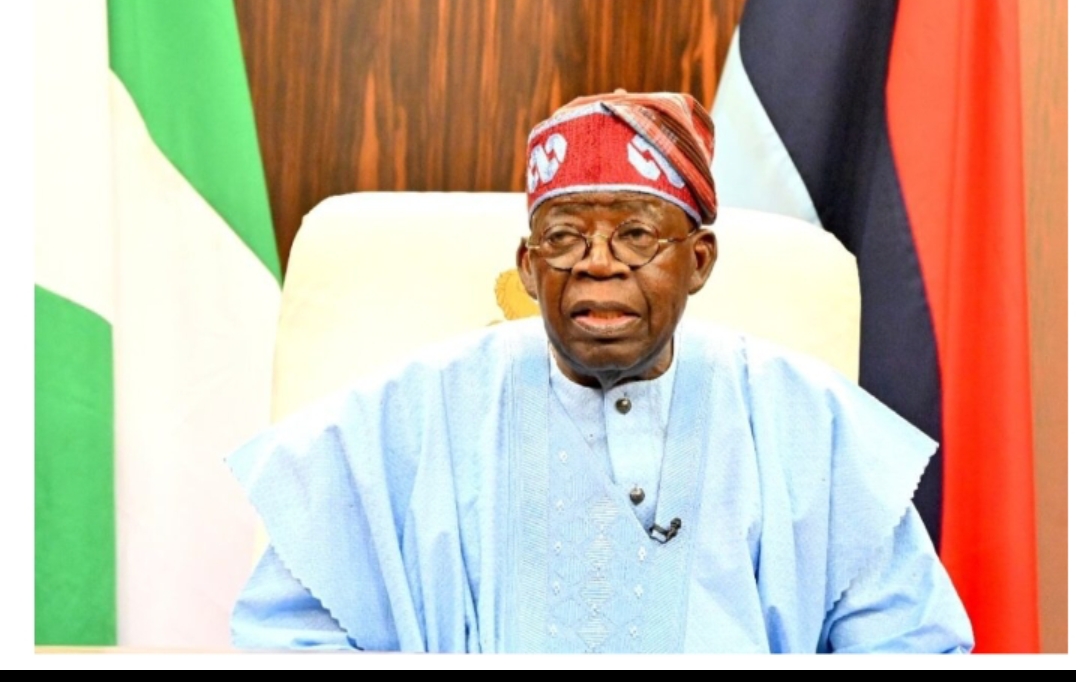
 When President Bola Ahmed Tinubu’s administration introduced a 15% import duty on petroleum products, the decision reignited one of Nigeria’s most enduring debates, the balance between fiscal discipline and citizens’ welfare.
The move, positioned as part of Tinubu’s ongoing tax and fiscal reform agenda, was presented as a necessary step to enhance revenue, promote local refining, and reduce import dependency. According to the Ministry of Finance, the policy aligns with the broader vision to create a more sustainable, self-reliant energy economy — especially as local refineries like Dangote Refinery and Port Harcourt Refinery gradually come onstream.
However, to millions of Nigerians already struggling with high fuel prices, rising inflation, and diminishing disposable income, the import duty announcement felt like a bitter pill, a new layer of hardship in an already heavy economic burden.
Reform Meets Reality
President Tinubu’s economic strategy has centered on bold structural reforms: ending fuel subsidies, floating the naira, and modernizing tax collection systems. Each policy has been defended as a tough but necessary correction to decades of fiscal mismanagement.
Yet, as inflation climbed past 30%, transport costs doubled, and small businesses battled soaring diesel prices, many Nigerians began asking: how much more pain must come before the promised gain?
Economist Dr. Celestine Ukpong observed that while the government’s fiscal intentions may be sound, the timing and implementation are problematic.
“This policy is fiscally logical but socially tone-deaf,” he said. “You can’t introduce new taxes on fuel when 80% of the products are still imported. The impact will hit consumers hardest — not importers.”
Similarly, Chartered Accountant Peter Adebayo warned that the duty could trigger secondary inflation, especially in manufacturing and transportation sectors.
“Businesses will pass on the cost to consumers. Without a working refinery network, the 15% duty risks worsening economic inequality,” he cautioned.
What Nigerians Are Saying
Public reaction across the country has been swift and divided. On social media and in town hall discussions, citizens voiced frustration, calling the new duty “a punishment for surviving inflation.”
- Traders in Lagos and Kano lamented that the cost of transporting goods from ports and warehouses had spiked yet again. “Every time government talks about reform, our costs go up, and our profit disappears,” said Mrs. Aisha Abdullahi, a foodstuff seller in Mile 12 Market.
- Commercial transport operators in Abuja expressed concern that the price of petrol might rise beyond affordability. “We are tired of promises. If local refineries are working, then why are we still paying more?” asked driver Mr. Chukwuemeka Obi.
- Civil society organizations, including the Socio-Economic Rights and Accountability Project (SERAP), called for a policy review, urging the government to suspend the duty until local production stabilizes. “Nigerians are overtaxed and underprotected,” SERAP stated in a release.
However, not all voices were critical. Some policy advocates and economists supported the duty as a step toward fiscal sovereignty.
“We’ve depended too long on imported petroleum,” said Dr. Funmi Adeyemi, a development economist. “If the government channels the revenue transparently into refining infrastructure and energy subsidies for small businesses, the pain could turn into progress.”
Revenue Drive vs. Social Protection
The policy underscores Tinubu’s dilemma — how to raise revenue without crushing the people. Nigeria’s tax-to-GDP ratio remains one of the lowest in Africa, and oil revenue volatility continues to threaten public finance stability.
Yet, as The Ameh News Editorial reflects, revenue growth cannot come at the expense of citizens’ survival. Effective reforms require sequencing, transparency, and social cushioning. Expanding safety nets, providing transport subsidies, and accelerating the rehabilitation of local refineries could transform the policy from a burden into a bridge to economic resilience.
Reform or Regression?
President Tinubu’s fiscal reforms will be judged not only by their technical merits but by how they touch lives. The 15% import duty on petroleum products may look sound on a balance sheet, but in the streets of Nigeria, it tests the government’s empathy and sense of timing.
A successful reform must lift the nation while leaving no one behind. Until citizens feel the benefits of local refining, stable prices, and job creation, the promise of shared prosperity remains an aspiration, not an achievement.
As the nation endures another phase of adjustment, one question lingers: can fiscal discipline and social compassion coexist in Tinubu’s Nigeria?
Ameh News Editorial reflects on President Tinubu’s 15% import duty on petroleum products amid Nigeria’s ongoing tax reforms and economic hardship. The piece explores fiscal intent, expert opinions, and citizens’ reactions as Nigerians weigh reform against survival.
Discover more from Ameh News
Subscribe to get the latest posts sent to your email.