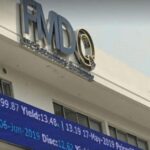
 Pension fund administrators and market analysts weigh in on the impact of CBN’s new system on transparency, regulatory oversight, and investment returns.
The Central Bank of Nigeria (CBN) has officially rolled out its centralised fixed-income trading system, a landmark reform expected to reshape Nigeria’s pension industry. The move comes at a critical juncture as pension fund administrators (PFAs) navigate recapitalisation challenges and seek more secure, transparent avenues for investment.
The reform, announced in October 2025, transfers full control of fixed-income securities trading and settlement from private operators, including FMDQ Group, directly to the CBN. Following phased testing and pilot runs, the platform is scheduled to fully go live for primary dealers, market makers, and PFAs by December 2025.
Industry experts have welcomed the reform, highlighting its potential to improve market integrity and operational efficiency.
“Centralising the fixed-income market under the CBN will enhance transparency and improve price discovery, which is crucial for pension funds that rely heavily on government securities for stability,” said Celestine Ukpong, an economist and investment analyst.
“This reform could significantly reduce systemic risks by allowing regulators end-to-end oversight of transactions, boosting confidence among pension fund contributors and institutional investors alike,” added CEO of a leading PFA.
The centralisation addresses persistent challenges such as fragmented trading, inconsistent pricing, and limited regulatory visibility. Analysts note that government securities make up over 80% of pension fund portfolios, highlighting the critical impact of this system on retirement savings.
Potential Benefits:
Enhanced Transparency: Fairer pricing and market integrity for pension investments.
Regulatory Oversight: Improved monitoring reduces risks of misconduct or opaque transactions.
Market Stability: Supports more predictable returns amid economic fluctuations.
Increased Liquidity: Greater access for institutional investors could deepen market activity.
Challenges Highlighted by Experts:
Regulatory Ambiguity: Some caution that the CBN’s dual role as regulator and market operator could create conflicts unlike SEC oversight.
Systemic Risk: Centralisation may create a single point of failure; any operational disruption could impact all market participants.
Transition Risks: Initial phases may face technical glitches or liquidity constraints, potentially affecting short-term pension fund valuations.
Despite these concerns, experts agree that the reform is a positive step for Nigeria’s financial markets. PFAs are encouraged to maintain diversified portfolios to mitigate concentration risks while taking advantage of the transparency and efficiency offered by the new system.
“For pension funds, this is an opportunity to strengthen their portfolios and enhance long-term returns, provided the transition is managed carefully,” said a financial strategist.
As the industry adapts to this structural change, the CBN’s centralised trading platform could become a benchmark for regulatory and operational best practices, ultimately supporting the growth and stability of Nigeria’s pension sector.
CBN launches centralised fixed-income trading system, with pension experts highlighting improved transparency, regulatory oversight, and growth potential for Nigeria’s pension industry amid recapitalisation.
CBN, Pension Industry, Fixed Income Market, Nigeria Finance, Financial Regulation, Market Reform, PFAs, Recapitalisation, Expert Opinions, Investment Transparency
Discover more from Ameh News
Subscribe to get the latest posts sent to your email.