The Central Bank of Nigeria says 27 banks have raised fresh capital ahead of the March 2026 recapitalisation deadline. CBN Governor Olayemi Cardoso highlights sector resilience, improved FX reserves, and strengthened banking reforms during the 60th Bankers’ Dinner in Lagos.
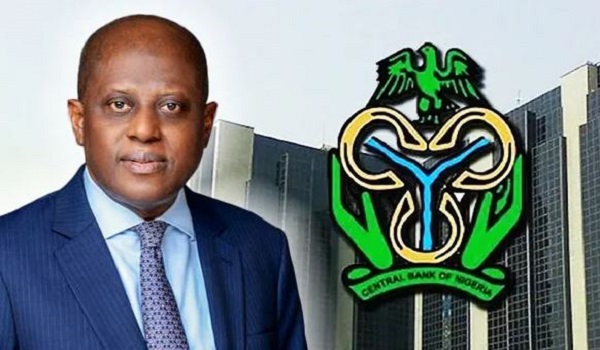 The Central Bank of Nigeria (CBN) has confirmed that 27 banks have raised fresh capital as part of the ongoing recapitalisation exercise introduced to strengthen the nation’s financial system and position the banking sector for future economic shocks.
CBN Governor, Olayemi Cardoso, made the disclosure on Friday while delivering a keynote address at the 60th Bankers’ Dinner organised by the Chartered Institute of Bankers of Nigeria (CIBN) in Lagos.
Cardoso noted that with just four months left before the March 31, 2026 recapitalisation deadline, the process “is firmly on track,” stressing that 16 banks have already met or exceeded the new capital requirements.
The recapitalisation directive, issued in March 2024, mandates commercial banks with international licences to shore up capital to ₦500bn, national banks to ₦200bn, and regional banks to ₦50bn.
Non-interest banks are also required to raise capital to ₦20bn (national) and ₦10bn (regional).
Banks Demonstrating Strength, Says CBN Governor
Cardoso said the progress so far reflects the depth and resilience of Nigeria’s financial institutions.
“Several banks have already met the new capital thresholds, while others are advancing steadily. To date, 27 banks have raised capital through public offers and rights issues,” he said.
He added that stress tests conducted this year show that the banking sector “remains fundamentally robust,” with financial soundness indicators meeting required prudential standards.
Stronger Regulations and Credit Governance Ahead
The CBN Governor also disclosed plans to redesign the credit-risk framework, emphasising transparency, governance, and accountability.
He said the apex bank is determined to avoid the “boom-and-bust cycles” seen in previous recapitalisation exercises.
Cardoso noted significant growth in microfinance lending, which expanded by over 14% in 2025, with digital credit products reaching more than 1.2 million MSMEs across the country.
Nigeria More Resilient to External Shocks
Touching on macroeconomic stability, he stated that Nigeria’s economy is now better positioned to withstand global volatility due to reforms, such as:
- The Electronic Forex Market Surveillance System
- The move to a single, market-determined FX rate
- Reinforced risk-based banking supervision
According to Cardoso, Nigeria’s foreign reserves rose to $46.7bn by mid-November, the highest level in nearly seven years, providing over 10 months of import cover.
He emphasised that the reserve growth was achieved organically, not through borrowing.
“Improved market functioning, non-oil export growth, and stronger capital inflows are rebuilding our FX reserves,” he said.
Industry Leaders Echo Confidence
CIBN President, Pius Olanrewaju, praised the sector’s resilience and noted that many banks have already met the new recapitalisation thresholds ahead of schedule.
He also highlighted Nigeria’s recent removal from the FATF grey list, describing it as a major boost to investor confidence and cross-border financial operations.
Chairman of the Body of Bank CEOs and UBA Group MD/CEO, Oliver Alawuba, called on banks to channel more credit to youths, SMEs, women-led businesses, and the creative industry.
He reiterated that credit must be treated as a trust-based economic tool, not a gift.
With the festive season approaching, Alawuba assured Nigerians of adequate cash availability at ATMs and bank branches nationwide.
Discover more from Ameh News
Subscribe to get the latest posts sent to your email.