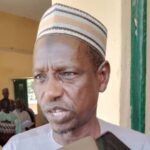
 The Jigawa State and Local Government Contributory Pension Board has disbursed N1.86 billion to 728 beneficiaries, including retirees and families of deceased workers—an action analysts say positions the state as a leading model in transparent and sustainable pension administration.
The Executive Secretary of the Board, Kamilu Aliyu Musa, announced the disbursement during the board’s monthly briefing in Dutse. He said the funds covered retirement benefits, death benefits, death pension balances, and refunds of savings contributions under the state’s contributory pension scheme.
A breakdown of the beneficiaries shows:
- 368 retirees received their full gratuities and accrued pension rights.
- 210 families of late civil servants were paid death benefits to cushion immediate financial distress.
- 150 individuals collected refunds from their savings and pension balances.
According to the report, Musa praised Governor Umar Namadi’s administration for its “consistent release of funds, firm political will, and commitment to the welfare of the state’s workforce,” adding that Jigawa has maintained a steady pension schedule with minimal backlogs due to improved verification processes and strengthened documentation systems.
He stressed that the board’s reforms—such as digital tracking of contributions and automated verification, have reduced processing delays and ensured that only legitimate beneficiaries receive payments.
Experts Commend Jigawa’s Pension System
Reacting to the development, Celestine Ukpong, a financial governance researcher, described Jigawa’s consistency in pension payments as “a rare example of fiscal discipline” among states.
“In a period when several states struggle with unpaid pension liabilities, Jigawa is demonstrating what is possible with proper planning, transparency, and commitment to workers’ welfare,” Ukpong said.
“Disbursing N1.86 billion in a single tranche shows that the system is working, and it boosts confidence among current employees nearing retirement.”
Similarly, Peter Adebayo, FCA, a certified accountant and pension funds analyst, noted that the payout will have wider socio-economic impact beyond the beneficiaries.
“Most pensioners live in rural communities. When these payments are released, the money flows directly into the grassroots economy,” Adebayo explained.
“It stimulates small businesses, improves household welfare, and reduces the pressure on extended families.”
He added that Jigawa’s model could serve as a learning framework for states that still operate heavily indebted or inconsistent pension systems.
Beneficiaries Welcome the Gesture
Beneficiaries and families of deceased workers expressed gratitude, describing the payments as timely relief amid current economic pressures. Some retirees noted that receiving their entitlements promptly restored dignity and reduced dependency on family support.
Labour unions in the state also commended the government, urging continued consistency in remitting monthly contributions and processing retirement paperwork.
Strengthening Pension Confidence Across the State
The report further disclosed about the Jigawa Pension Board reaffirmed its resolve to maintain a transparent, efficient, and automated pension structure. According to Musa, the state intends to strengthen monitoring mechanisms and enforce compliance across MDAs and local government councils.
With this latest disbursement, analysts say Jigawa continues to position itself as a top-performing state in pension reforms—one that underscores fiscal discipline, structured governance, and respect for the service of public workers.
Jigawa State has disbursed N1.86bn to 728 retirees and families of deceased workers. Experts praise the state’s transparent pension system, fiscal discipline, and positive economic impact. Read the full analysis.
Discover more from Ameh News
Subscribe to get the latest posts sent to your email.