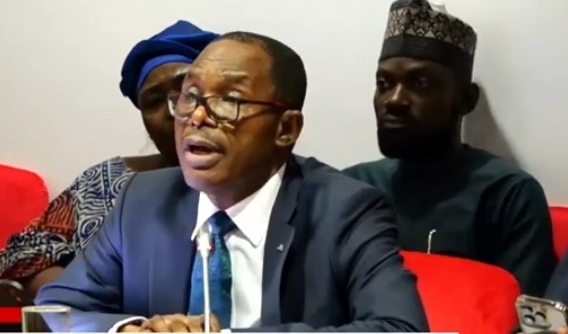
 Thompson Oludare Sunday,, NDIC Boss
In his first 140 days, Thompson Oludare Sunday has pushed bold reforms at the NDIC, but experts say media engagement and capacity building remain crucial for public trust and effective policy implementation.
Thompson Oludare Sunday, a seasoned and versatile financial expert with over 30 years of regulatory and supervisory experience.
He was appointed the Managing Director/Chief Executive of the Nigeria Deposit Insurance Corporation (NDIC) on Friday 25th July, 2025 following his nomination by President Bola Ahmed Tinubu and his confirmation by the Senate.
He has since assumed office over five months ago which is more than 100 days, he has stepped into the public eye as the Nigeria Deposit Insurance Corporation (NDIC) Boss, navigating a landscape where banking reforms and media narratives intersect. His tenure, though short, has already sparked debate among journalists, financial analysts, and industry stakeholders, revealing the intricate link between policy implementation and media capacity.
From day one, Sunday signaled an ambitious agenda: strengthening deposit insurance, ensuring rigorous regulatory compliance, and modernizing NDIC operations through digital monitoring systems. Headlines across newspapers and online platforms highlighted his determination to safeguard Nigeria’s banking system, while social media buzzed with discussions under hashtags like #NDICReform and #BankingConfidence.
Yet, as experts point out, reforming a complex institution like NDIC cannot succeed in isolation. Celestine Ukpong an economist, a banking sector analyst, told The Ameh News:
“Reforms are essential, but they are only as effective as the public’s understanding of them. Media capacity building is key. Journalists need the tools and knowledge to communicate these reforms accurately; otherwise, even well-designed policies can be misunderstood or ignored.”
While a financial risk consultant, echoed this sentiment:
“Deposit insurance is a technical concept, often lost on the average depositor. Sunday’s reforms will only translate to public confidence if the media can interpret and explain them in accessible terms. In essence, the NDIC and the media must work hand in hand.”
The narrative unfolding in newsrooms is telling. Coverage of Sunday’s initiatives has varied from commendation for proactive measures to cautious scrutiny over implementation pace. Analysts stress that sustained media engagement is not merely about publicity; it is a critical tool to educate depositors, influence investor confidence, and ensure transparency in a sector where trust is paramount.
Social media sentiment reflects this duality: while many applaud the NDIC Boss’ proactive steps, others question whether these reforms will reach the people they are designed to protect. The lesson emerging from Sunday’s 140 days in the office is clear, for NDIC reforms to truly take hold, media capacity building must be integral to the strategy.
As Thompson Oludare Sunday moves forward, the story of his early tenure is as much about banking reforms as it is about the media’s role in shaping public understanding, a modern-day tale of policy, perception, and partnership.
Thompson Oludare Sunday’s first more than 100 days as NDIC Boss highlight bold reforms in Nigeria’s banking sector, but experts stress media capacity building is essential for public understanding and confidence.
Discover more from Ameh News
Subscribe to get the latest posts sent to your email.