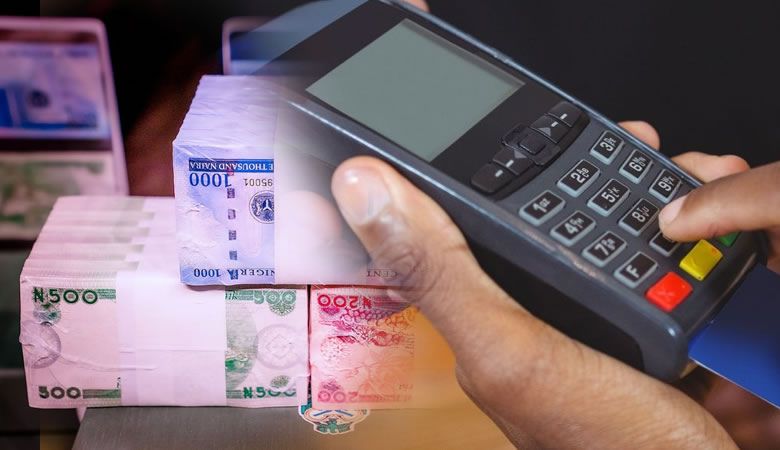
 Starting January 19, 2026, Nigerians will begin paying a 7.5% value-added tax (VAT) on selected banking services, a move that has raised concerns about its potential impact on the country’s financial inclusion initiatives.
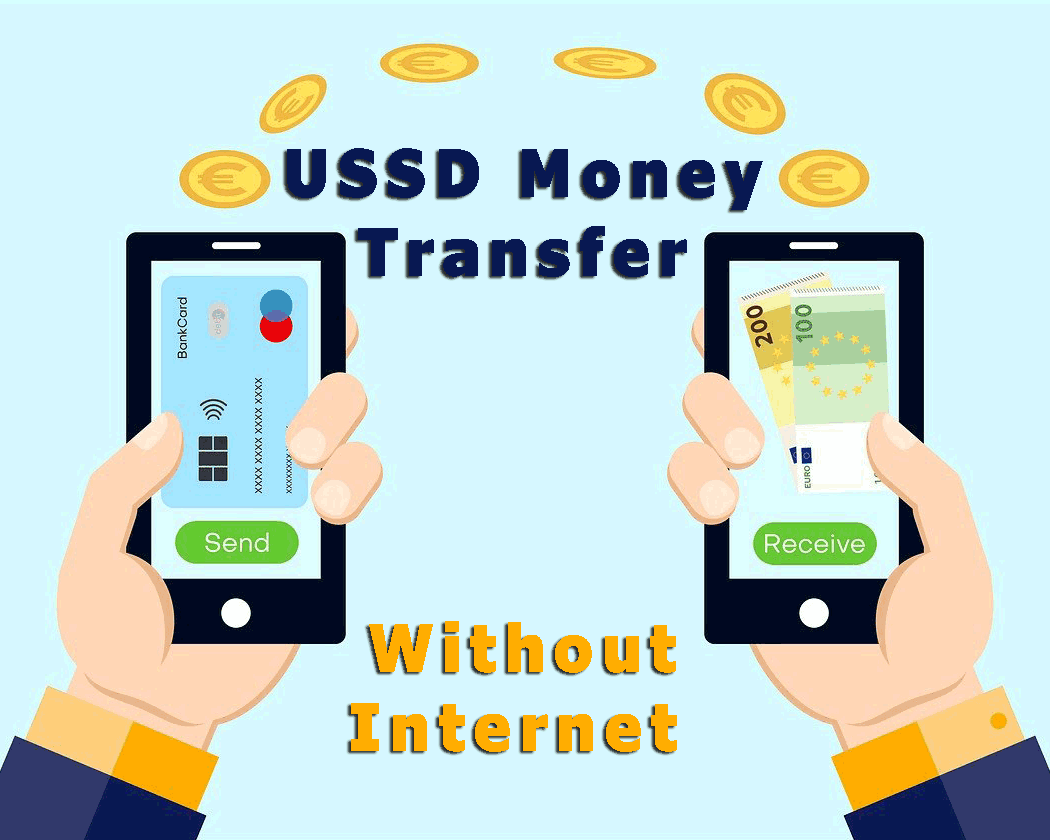
The Federal Government’s directive applies to specific electronic banking activities, including mobile bank transfers, USSD transactions, and card issuance fees. Interest earned on savings and deposit accounts, however, remains exempt from the tax.
The Nigerian Revenue Service (NRS), formerly the Federal Inland Revenue Service, has mandated that all financial institutions—from commercial and microfinance banks to electronic money transfer operators—collect and remit the VAT from the effective date.
Economist Celestine Ukpong warned that while the VAT is aimed at generating revenue, it could inadvertently discourage low-income Nigerians from fully engaging with formal banking channels. “Millions of Nigerians rely on mobile and USSD banking for daily transactions,” Ukpong noted.
“Introducing additional costs at this level risks excluding a significant portion of the population from the digital economy.”
Similarly, Peter Adebayo FCA, a chartered accountant, emphasized the broader economic implications: “While the VAT could increase government revenue, its timing is critical. We are still pushing for deeper financial inclusion, and taxing basic banking services may slow that progress.
Banks and regulators must balance revenue needs with the goal of keeping digital banking accessible.”
For many Nigerians, especially those in underserved communities, mobile and USSD banking have become essential tools for everyday transactions. The introduction of the 7.5% VAT means routine payments and transfers will now incur an added cost, marking a significant shift in the country’s digital banking landscape.
Analysts urge that clear communication and public awareness campaigns are essential to mitigate negative effects. “The government must ensure that citizens understand which transactions are taxed and which remain exempt,” added Ukpong. “Otherwise, the measure could create confusion and discourage digital banking adoption.”
As Nigeria continues to expand its digital financial ecosystem, stakeholders say the success of financial inclusion efforts will depend on careful policy implementation that does not disproportionately affect low-income users.
From January 19, 2026, Nigerians will pay 7.5% VAT on mobile transfers, USSD transactions, and card fees, raising concerns over financial inclusion. Experts Celestine Ukpong and Peter Adebayo FCA weigh in.
Discover more from Ameh News
Subscribe to get the latest posts sent to your email.