Re-Imagining the Future of Cash: Why Nigeria’s Banks, Fintechs and Branches Must Co-Evolve
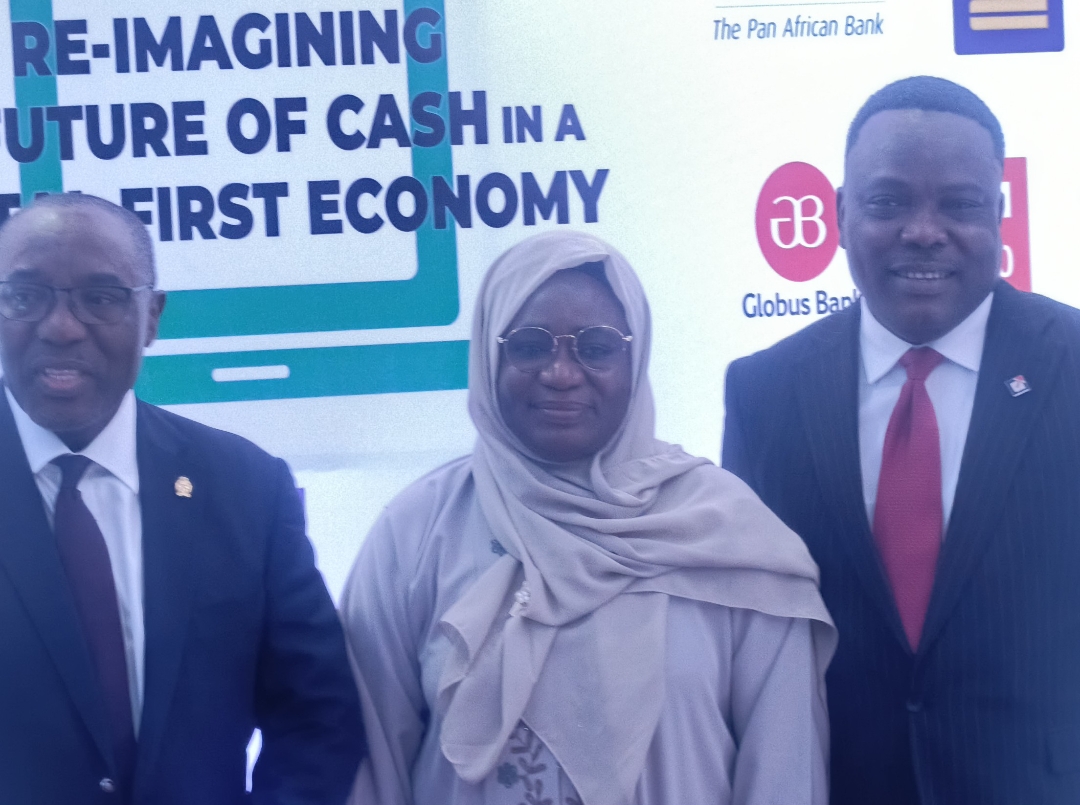 Stakeholders across Nigeria’s banking, fintech and financial operations ecosystem have called for deeper collaboration, regulatory alignment and structural innovation to successfully navigate the country’s transition into a digital-first economy—without destabilising the cash system that still underpins daily economic life.
This consensus emerged at a high-level panel session of the Committee of Heads of Bank Operations (CHBO) conference held yesterday at the Chartered Institute of Bankers of Nigeria (CIBN), Adeola Hopewell, Victoria Island, Lagos, under the theme:
“Re-Imagining the Future of Cash in a Digital-First Economy.”
The session was moderated by Mr. Akin Morakinyo, HCIB, ACIB, Registrar/Chief Executive of CIBN, and featured insights from senior banking executives, fintech leaders and operations experts.
Capitalisation, Ecosystem Risk and the Need for Collaboration
Setting the tone, Mr. Abidemi Asunmo, ACIB, Vice Chairman of the Committee of E-Business Industry Heads (CeBIHs), warned that reforms within any single subsector—if executed without ecosystem-wide coordination—could create unintended disruption.
According to Asunmo, the ongoing capitalisation drive within conventional banking has significant implications for fintechs and non-bank financial institutions (NBFIs), many of which maintain placements and settlement relationships with traditional banks.
“If we attempt capitalisation from isolated subsectors without collaboration,” he cautioned, “there will be chaos. We are all part of the same ecosystem, and actions taken in one segment inevitably affect the others.”
He highlighted regulatory gaps where fintechs with nationwide operational footprints still operate under limited-tier licences, stressing the importance of licence upgrades to reflect actual scope of activity. He noted that regulators have since pushed several fintechs to onboard national licences, alongside requirements for broader physical presence to enhance consumer protection and dispute resolution—particularly for informal-sector users.
Digital Growth Has Not Killed Cash
One of the most striking themes from the session was the revelation that digital payments growth has not reduced cash usage. Instead, both are expanding simultaneously.
Dr. Stanley Jacob, President of the Fintech Association of Nigeria (FintechNCR), described this trend as a wake-up call for policymakers and operators alike.
“We assumed that as digital payments rise, cash would decline,” Jacob said. “What the data is telling us is different—both are growing on the same trajectory. That means we must go back, reflect, and rethink our assumptions.”
He noted that Nigeria’s branch traffic has not collapsed but has been redefined, shifting away from routine transactions toward complex services, advisory functions and trust-building roles.
Branches Are Being Reborn, Not Phased Out
Panelists unanimously agreed that physical bank branches remain critical, even in a digital-first economy.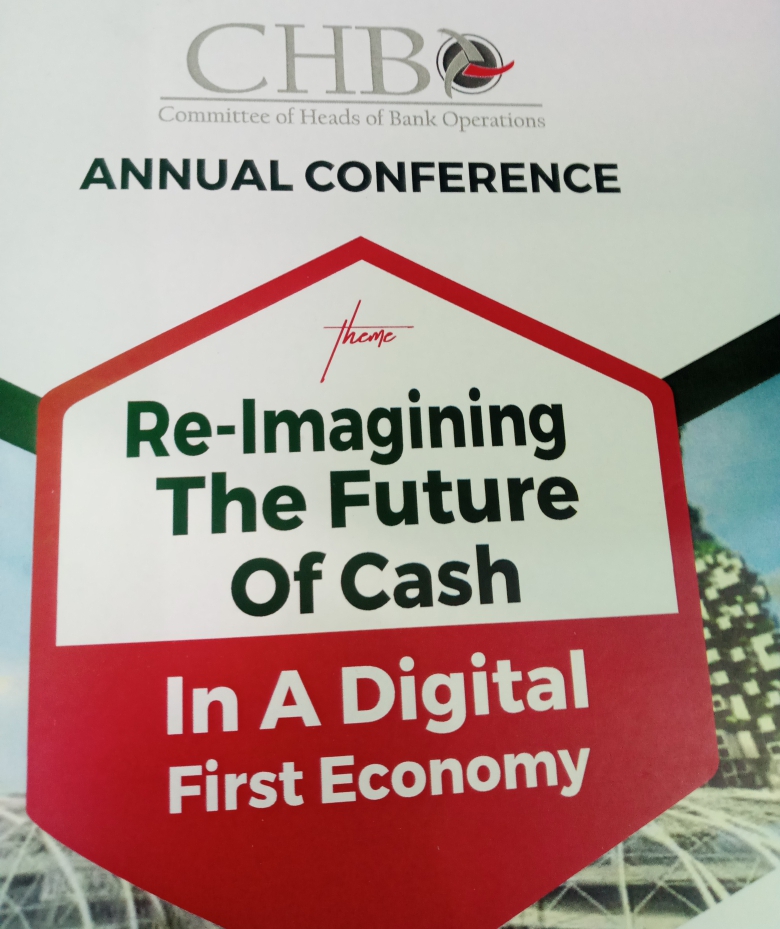
Adebambo Famuyiwa, Group Head, Retail Banking Operations at FBN Plc, said branches are transitioning from cash-and-paper counters into financial advisory and problem-solving hubs.
“Customers are no longer coming to branches for basic transactions like balance enquiries,” Famuyiwa explained. “They come for high-value, complex services—loans, financial advice, dispute resolution and structured solutions.”
She emphasised that while digital platforms now handle routine transactions, branches remain essential for customers who require guidance, reassurance and human engagement—particularly SMEs and informal businesses navigating complex financial products.
Operational Inefficiencies Still Limit Digital Gains
Despite progress in digitisation, Famuyiwa acknowledged that traditional banking operations still suffer from inefficiencies, including over-reliance on manual processes, infrastructure gaps and underutilisation of skilled staff.
She warned against forcing full digital adoption without addressing customer trust, security concerns and cultural realities.
“Cash will continue to exist alongside digital platforms,” she said. “Our responsibility is to make branches more efficient, more empathetic, and more advisory-driven—while building trust in digital channels.”
Three Branch Models for Nigeria’s Financial Future
From a fintech ecosystem perspective, Dr. Stanley Jacob proposed a three-tier branch evolution model:
Digital Guidance Centres in urban areas, focused on onboarding, financial literacy and digital support.
Hybrid Service Branches in semi-urban communities, combining SME support, advisory services and essential cash handling.
Community-Based Inclusion Branches in rural areas, serving as biometric enrolment points and cash-in/cash-out hubs.
To support rural banking expansion—where profitability is limited—Jacob advocated for a National Branch Inclusion Fund, backed by regulators and industry players, to pool resources and accelerate financial inclusion.
Fintech Innovation and the Branch of the Future
Adding a technology and innovation lens, Daniel Awe, Head of Africa Fintech Foundry (AFF), said the future of banking lies at the intersection of physical presence and digital experience.
“Customers expect the same speed, transparency and convenience whether they are online or inside a branch,” Awe said. “Branches must now function as digital homes—places where technology, trust and human interaction converge.”
He noted that global trends show physical presence remains vital for brand trust, even among the world’s most digital companies, stressing that Nigerian banks must embrace fintech innovation not as competition, but as a collaborative enabler.
Banking Is No Longer Where You Go—But Trust Still Needs a Place
Moderating the discussion, Mr. Akin Morakinyo reminded participants that while banking is increasingly becoming “what we do” rather than “where we go,” customers still need physical reassurance points—especially in moments of uncertainty.
The session concluded with a clear message: Nigeria’s future financial system will not be cashless or branchless—but collaborative, hybrid and trust-driven.
At CHBO 2026 in Lagos, banking and fintech leaders say digital payments are rising alongside cash, forcing a rethink of branches, collaboration and financial inclusion in Nigeria’s digital-first economy.
Discover more from Ameh News
Subscribe to get the latest posts sent to your email.