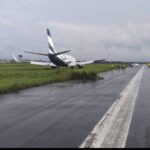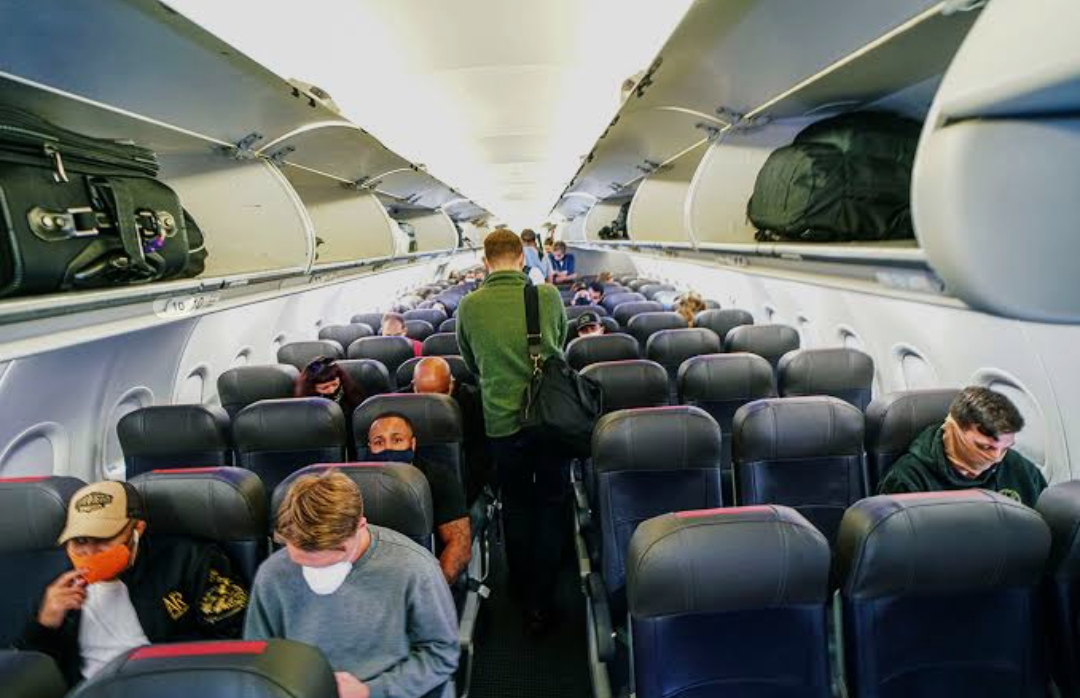
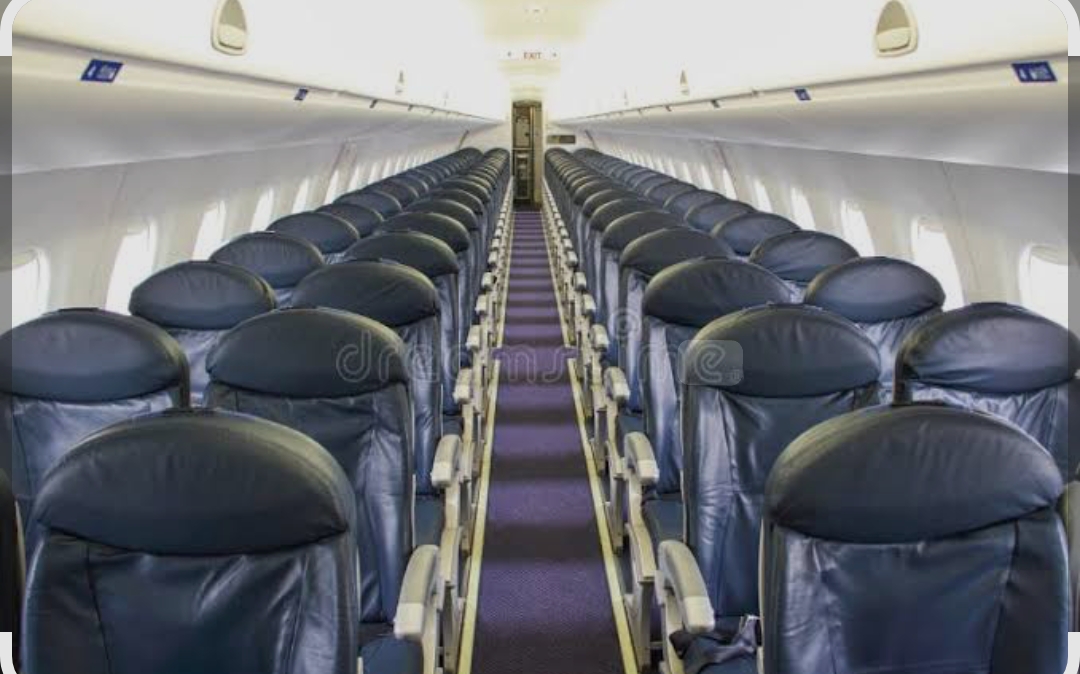
 The persistent rise in domestic airfares across Nigeria has continued to generate public concern, particularly when travelers witness aircraft departing with noticeable empty seats. For many passengers, the unanswered question remains simple: why would an airline rather fly half empty than reduce ticket prices and fill the cabin?
Industry economics, however, tell a far more complex story—one rooted in survival rather than indifference.
In commercial aviation, most operating expenses are fixed well before an aircraft leaves the ground. Fuel has already been purchased and loaded, pilots and cabin crew are on duty, airport and navigation charges are payable, insurance coverage is active, and maintenance obligations remain constant. Whether ten seats or one hundred seats are occupied, these core costs barely change.
This means that once a flight is scheduled, an empty seat represents a sunk cost that cannot be recovered through last-minute discounting. Cutting fares shortly before departure may create temporary demand, but it also risks long-term revenue damage.
Economist Celestine Ukpong explains that sudden price reductions can permanently distort passenger behaviour. According to him, when travelers begin to expect cheaper last-minute tickets, early bookings decline, corporate travel contracts are renegotiated downward, and the average yield per flight weakens.
“What looks like a quick solution can destroy an airline’s pricing structure for years,” Ukpong noted. “If passengers learn to wait for discounts, the entire revenue model collapses, and in a high-cost environment like Nigeria, that can threaten airline survival.”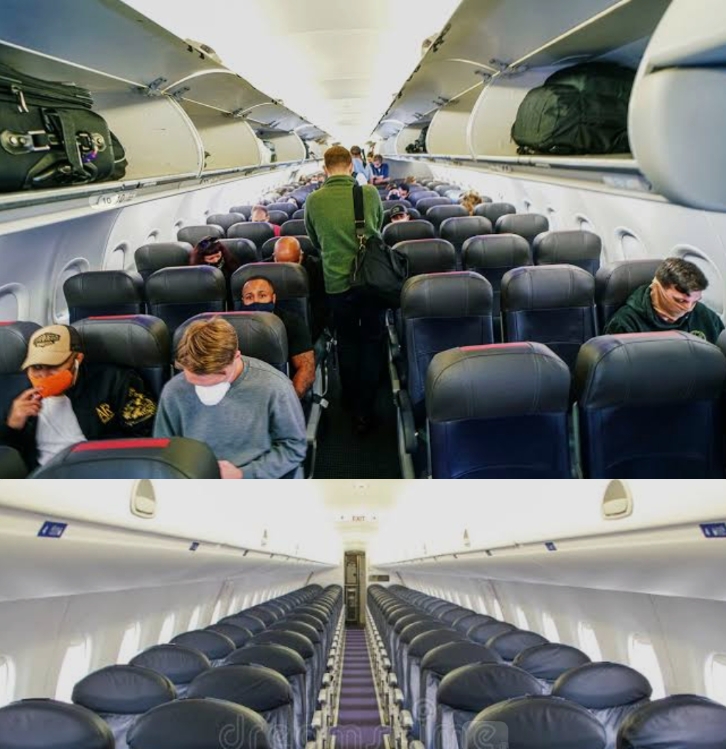
Financial analyst and chartered accountant Peter Adebayo, FCA, shares a similar perspective, emphasizing that Nigerian airlines operate within unusually harsh cost conditions. Volatile foreign exchange rates, expensive aircraft maintenance conducted abroad, high aviation fuel prices, and multiple statutory charges all compress airline margins.
“Airlines are not refusing to lower fares out of convenience,” Adebayo said. “They are protecting the minimum revenue needed to stay in business. A full plane at the wrong price can be more dangerous than a half-empty one at a sustainable price.”
Their insights reflect the deeper structural challenges facing Nigeria’s aviation sector. Beyond pricing debates, operators continue to battle limited access to foreign exchange, infrastructure gaps, regulatory costs, and constrained fleet capacity. These realities reduce flexibility in fare adjustments and make revenue stability critical.
From a broader economic lens, the issue highlights a delicate balance between passenger affordability and industry sustainability. While travelers naturally desire cheaper tickets, consistent under-pricing could force route cancellations, reduced flight frequencies, job losses, or even airline shutdowns—outcomes that would ultimately shrink travel options and push fares even higher.
The flashback to years of airline failures in Nigeria reinforces this cautionary stance. History shows that weak pricing discipline, combined with structural cost pressures, has repeatedly undermined carrier stability. Today’s operators appear determined not to repeat that cycle.
In reflection, aviation economics suggest a paradox:
the most expensive mistake for an airline is not an empty seat on a single journey, but a damaged pricing system that erodes long-term survival.
Until broader reforms—such as forex stability, reduced airport charges, improved local maintenance capacity, and lower fuel costs—reshape the operating environment, partially filled aircraft may remain a visible but necessary compromise.
For now, in Nigeria’s skies, flying half empty is sometimes the cost of staying airborne.
Nigeria’s rising airfares continue to spark debate as experts Celestine Ukpong and Peter Adebayo explain why airlines often prefer flying with empty seats rather than cutting ticket prices. Fixed operating costs, fragile revenue structures, and harsh economic conditions mean last-minute fare reductions could threaten long-term airline survival.
Experts explain why Nigerian airlines maintain high ticket prices despite empty seats, citing fixed flight costs, fragile revenue models, and harsh economic conditions shaping the aviation sector.
Discover more from Ameh News
Subscribe to get the latest posts sent to your email.