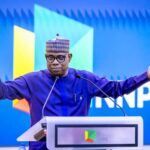
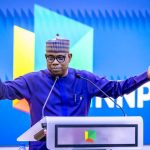
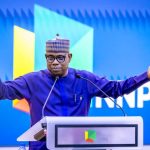
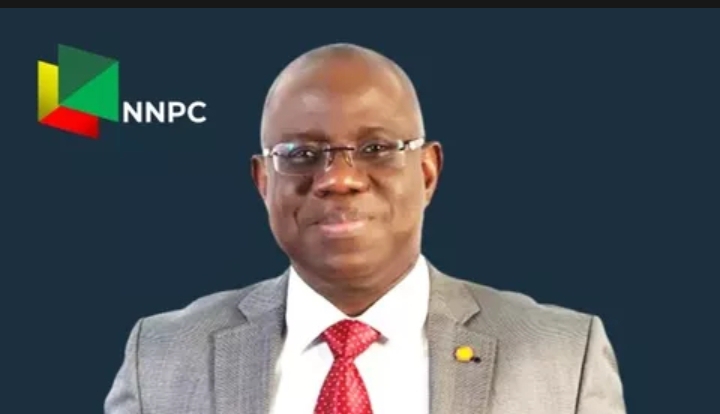
 The longstanding challenges surrounding Nigeria’s Port Harcourt refinery have erupted into a high-profile clash between the Petroleum Products Retail Outlets Owners Association of Nigeria (PETROAN) and the Nigerian National Petroleum Company (NNPC) Limited. At the center of the dispute is NNPC Group Chief Executive Officer, Bayo Ojulari, whose public remarks about the refinery’s operational losses have drawn sharp criticism from downstream stakeholders.
Ojulari had previously stated that the Port Harcourt refinery was operating at a massive loss, justifying the plant’s prolonged shutdown. In the same remarks, he highlighted the Dangote Refinery’s role in “providing Nigerians a breathing space” amid the stagnation of state-owned refineries, urging gratitude for the privately owned facility.
PETROAN, however, viewed these comments as not only insensitive but also dangerously misleading. In a strongly worded statement on Wednesday, Joseph Obele, PETROAN’s National Public Relations Officer, rebuked Ojulari for using the success of a private refinery to rationalize the failure of a critical public asset.
“While we commend the Dangote Refinery’s strategic significance, private investments cannot replace the government’s constitutional and financial responsibilities,” Obele stressed. “One cannot be used as a justification for the other’s failure.”
Years of Investment, Persistent Delays
The Port Harcourt refinery rehabilitation has been a long-term project, representing billions of naira in public investment and the government’s broader ambitions to reduce fuel import dependency. Yet, despite multiple rehabilitation programmes, equipment refurbishments, and policy interventions, the refinery has remained largely inactive, fueling public frustration and a widening trust deficit in NNPC’s management of national assets.
PETROAN warned that repeated public admissions of operational failure by NNPC leadership risk undermining Nigeria’s energy security, investor confidence, and years of efforts to develop local refining capacity. Obele criticized the notion that the refinery’s restart is secondary because Dangote now meets a portion of Nigeria’s fuel needs, labeling it “irksome, unacceptable, and not solution-focused.”
The Legal Ultimatum
In a decisive move, PETROAN announced it would collaborate with civil society groups and relevant stakeholders to explore legal avenues to demand Ojulari’s removal should the Port Harcourt refinery fail to resume operations on or before March 1, 2026.
Obele highlighted the risks of prolonging the shutdown, including corrosion, equipment deterioration, and the potential nullification of billions already spent on the overhaul. He stressed that acknowledging failure without accountability, corrective action, and a clear operational plan serves no purpose.
A Test for Governance and Accountability
Beyond the immediate confrontation, this dispute reflects a broader question about governance, accountability, and institutional efficiency in Nigeria’s oil and gas sector. The Port Harcourt refinery’s fate has become a litmus test for whether public sector leadership can effectively manage national assets and restore faith in Nigeria’s domestic refining capabilities.
For millions of Nigerians grappling with fuel scarcity and price volatility, the outcome of this standoff will carry real economic and social consequences. Should the refinery finally resume operations, it would signify not just a technical success but a reaffirmation of public sector responsibility and strategic oversight. Conversely, continued delays could deepen distrust, invite more public scrutiny, and reinforce perceptions of systemic failure.
As the March deadline looms, the eyes of the industry, investors, and the public remain firmly fixed on the Port Harcourt refinery—a symbol of both Nigeria’s potential and the challenges that have long hampered the nation’s refining ambitions.
PETROAN has issued a legal ultimatum to NNPC GCEO Bayo Ojulari over the delayed Port Harcourt refinery rehabilitation, warning of removal if operations do not resume by March 1, 2026, amid growing concerns over Nigeria’s energy security.
Discover more from Ameh News
Subscribe to get the latest posts sent to your email.