 The Nigeria Customs Service has reinforced its 2026 reform drive with a renewed commitment to seamless cargo processing, stakeholder collaboration and balanced revenue administration at the Tincan Island Port Area Command.
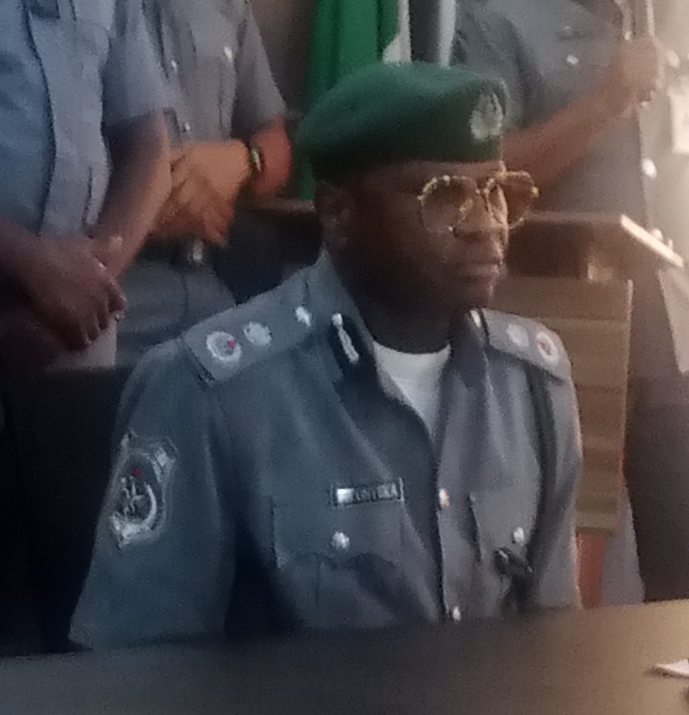
Addressing maritime journalists during a media parley held on February 17, 2026, in Apapa, Lagos, the Customs Area Controller, Comptroller Frank Onyeka, outlined a strategic operational direction centred on paperless clearance, trade facilitation and improved welfare for officers.
He explained that constructive engagement with the media and continuous feedback from port users contributed to stronger operational outcomes recorded in the previous year.
According to Onyeka, revenue performance at the command rose significantly, reaching about ₦145 billion as of January 2026, reflecting improved compliance, transparency and institutional discipline across the trading chain.
Despite the increase, the Controller stressed that the command’s priority for 2026 is trade enablement rather than excessive revenue enforcement.
He noted that realistic duty assessments and efficient clearance procedures would allow importers to remain profitable, sustain jobs and continue legitimate business activities—ultimately supporting national economic growth.
A major highlight of the reform agenda is the planned rollout of a fully paperless and contact-free cargo clearance system expected before the end of the second quarter of the year.
The digital platform will enable traders to submit declarations, verify consignments and complete documentation online without unnecessary physical interaction with Customs officers, thereby reducing delays, eliminating informal bottlenecks and aligning port operations with global best practices.
While acknowledging potential transition challenges such as network instability and user adaptation gaps, Onyeka urged stakeholders to build digital capacity, ensure accurate declarations and embrace technology-driven trade processes.
He clarified that the One-Stop-Shop framework would only intervene where discrepancies arise, allowing properly documented consignments to exit the port seamlessly.
Beyond automation, the Controller pledged enhanced personnel welfare, stronger internal consultation on classification issues and intelligence-driven enforcement supported by stakeholders and the media.
He emphasised that credible information sharing and responsible journalism remain vital to transparency, noting that past investigative follow-ups by reporters helped correct misinformation and strengthen operational credibility.
Reaffirming openness and accessibility, Onyeka assured maritime stakeholders of continuous dialogue, prompt response to operational concerns and sustained collaboration aimed at achieving efficient port operations, strengthened national security and long-term economic stability.
The engagement underscores the Service’s broader commitment to modernising Nigeria’s trade environment through technology, partnership and balanced revenue management in 2026.
Comptroller Frank Onyeka outlines 2026 reforms at Tincan Island Port Area Command, featuring paperless cargo clearance, trade-friendly revenue strategy, improved welfare and stronger stakeholder collaboration after ₦145bn January revenue.
Discover more from Ameh News
Subscribe to get the latest posts sent to your email.