Executive directive targets leakages, ends multiple deductions, and reinforces transparency in Nigeria’s petroleum sector
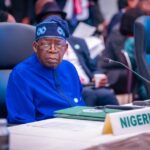
In a sweeping move to strengthen Nigeria’s public finances and restore constitutional revenue flows, President Bola Tinubu has signed an Executive Order mandating the direct remittance of oil and gas revenues into the Federation Account, effectively dismantling long-standing deductions and structural bottlenecks within the petroleum industry.
The development was disclosed in a State House statement issued by presidential spokesman Bayo Onanuga, who said the directive was issued pursuant to the President’s constitutional powers and anchored on provisions vesting ownership and control of mineral resources in the Government of the Federation.
According to the presidency, the order seeks to protect national oil income, eliminate wasteful spending, curb duplicative institutional arrangements, and channel greater resources toward national development priorities, including security, healthcare, education, and energy transition investments.
Reclaiming Federation Revenues from Structural Deductions
Central to the reform is a government review of fiscal provisions introduced under the Petroleum Industry Act, which officials say has significantly reduced net oil revenues available to federal, state, and local governments since its implementation in 2021.
Under the existing framework, NNPC Limited retained:
30% of Federation oil revenues as management fees from production-sharing and related contracts
20% of company profits for working capital and future investments
Another 30% of profit oil and gas allocated to the Frontier Exploration Fund
Government officials argue that these combined deductions divert more than two-thirds of potential national oil earnings, weakening fiscal capacity and contributing to declining revenue inflows.
The presidency further described the additional 30% management fee as unjustifiable, noting that the already-approved 20% profit retention sufficiently supports the company’s operational needs. It also warned that large allocations to speculative frontier exploration risk idle fund accumulation at a time of pressing national expenditure demands.
Gas Flare Penalties Redirected, Overlapping Funds Curtailed
The Executive Order also restructures environmental and gas-infrastructure financing mechanisms within the petroleum sector.
Previously, proceeds from gas-flaring penalties were paid into a dedicated midstream and downstream gas infrastructure fund, despite the existence of a separate environmental remediation mechanism designed to support affected host communities.
Under the new directive:
Gas-flare penalty proceeds will now be paid directly into the Federation Account
Payments into the gas infrastructure fund are suspended
All related expenditures must comply strictly with public procurement regulations
Officials say the changes will tighten fiscal discipline, enhance accountability, and ensure transparent use of environmental remediation resources.
Direct Payments Take Effect February 13, 2026
Effective February 13, 2026, all oil and gas operators under production-sharing arrangements are required to remit royalty oil, tax oil, profit oil, profit gas, and all government-due proceeds directly to the Federation Account, removing intermediary retention structures.
In addition:
NNPC Limited will no longer manage the 30% Frontier Exploration Fund
The company will cease collection of the 30% management fee on profit oil and gas
These measures are expected to restore full constitutional revenue entitlements to the three tiers of government and improve overall fiscal sustainability.
Resetting NNPC’s Role as a Commercial Energy Company
Beyond revenue recovery, the Executive Order addresses structural concerns surrounding NNPC Limited’s dual role as both concessionaire and commercial operator.
The presidency noted that allowing the company to influence operational costs while functioning competitively in the market creates distortions inconsistent with its intended transition into a fully commercial enterprise.
The directive therefore aims to:
Reposition NNPC strictly as a commercial entity
Remove overlapping fiscal privileges
Strengthen governance, transparency, and regulatory clarity
Analysts suggest the reform could represent one of the most consequential institutional shifts in Nigeria’s oil-sector governance in decades.
Implementation Committee to Drive Reforms
To ensure coordinated execution, President Tinubu approved the formation of a high-level implementation committee comprising key ministers, fiscal authorities, justice officials, and senior economic advisers, with the Budget Office of the Federation serving as secretariat.
The committee is tasked with overseeing enforcement, monitoring fiscal outcomes, and aligning regulatory frameworks across the petroleum value chain.
Economic Implications: Budget Stability and Public Welfare
President Tinubu described the reforms as urgent national-interest measures, warning that continued revenue leakages threaten:
Budgetary stability
Debt sustainability
Macroeconomic balance
Social-sector investment
By restoring direct remittance flows, the administration expects stronger federation revenues, reduced borrowing pressures, and improved funding for infrastructure and human-capital development.
The President also signaled a forthcoming comprehensive review of the Petroleum Industry Act, indicating that further structural adjustments may follow as part of broader energy-sector reforms.
President Bola Tinubu orders direct remittance of Nigeria’s oil and gas revenues to the Federation Account, ending NNPC deductions, suspending gas-flare fund payments, and launching major petroleum-sector reforms.
Discover more from Ameh News
Subscribe to get the latest posts sent to your email.