 Nigerian Breweries Plc: Seven Decades of Innovation, Community Impact, and Leadership in Nigeria’s Beverage Industry.
For over 75 years, Nigerian Breweries Plc has been more than just a company—it has been a beacon of industrial innovation, economic growth, and community development in Nigeria. From the first bottle of Star Lager Beer rolled off the Lagos brewery line in 1949 to its present status as a diversified total beverage company, Nigerian Breweries Plc has grown in tandem with the nation, shaping lives, industries, and the Nigerian consumer goods landscape.
Humble Beginnings: A Brewery is Born
The story of Nigerian Breweries begins in 16 November 1946, when it was incorporated as Nigerian Brewery Limited. At the time, the idea of establishing a homegrown brewing operation was ambitious, yet visionary. The founders recognized the potential of a burgeoning Nigerian market and the need for quality locally produced beverages.
Three years later, in June 1949, history was made: the very first bottle of Star Lager Beer rolled off the Lagos bottling lines. This moment was not only a milestone for the company but also for Nigeria’s industrial sector. The beer quickly gained popularity, not merely as a product but as a symbol of Nigerian enterprise and craftsmanship.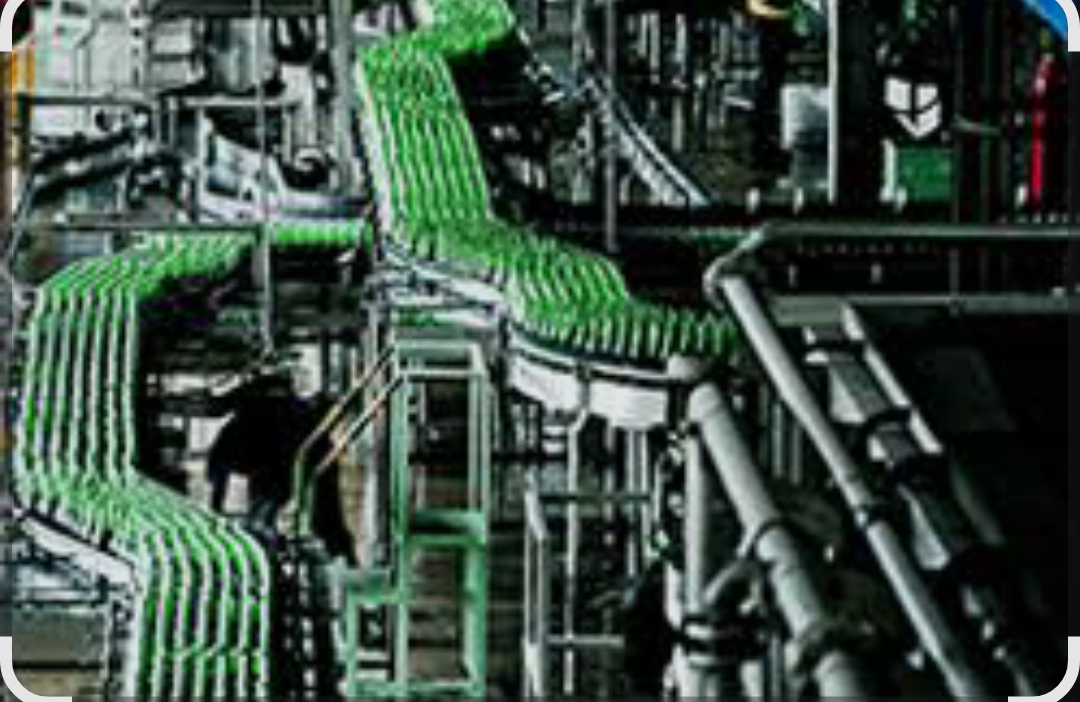
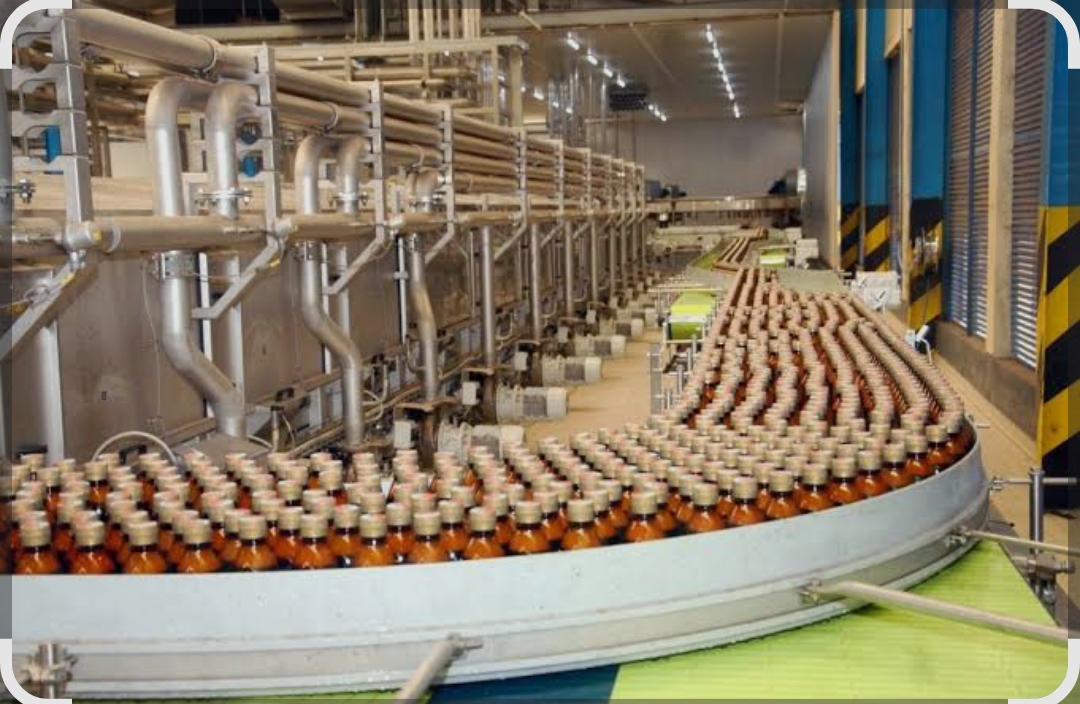
By 1957, Nigerian Breweries had expanded to Aba with a second brewery. This expansion was critical not just for production capacity, but for stimulating local economies. The Aba Brewery created jobs for hundreds of skilled and unskilled workers and provided opportunities for local suppliers, transporters, and artisans. In 1963, a third brewery was commissioned in Kaduna, followed by a fourth in Ibadan in 1982. These expansions marked the company’s commitment to decentralizing production and making quality beverages accessible across Nigeria.
With the coming into effect of the 1990 Companies and Allied Matters Act, the company transitioned into a public limited liability company, adopting the name Nigerian Breweries Plc, reflecting its evolving status and its readiness to engage broader investment.
Strategic Expansion and Technological Advancement
In 1993, Nigerian Breweries added a fifth brewery in Enugu. A decade later, in 2003, the Ama Brewery in Amaeke Ngwo, Enugu State, was commissioned, modernizing operations and consolidating production for efficiency. By 2004, operations at the old Enugu Brewery were discontinued. The company also invested in a state-of-the-art malting plant in Aba in 2008, ensuring a steady supply of high-quality malt for its beer production, reflecting the company’s focus on vertical integration and quality control.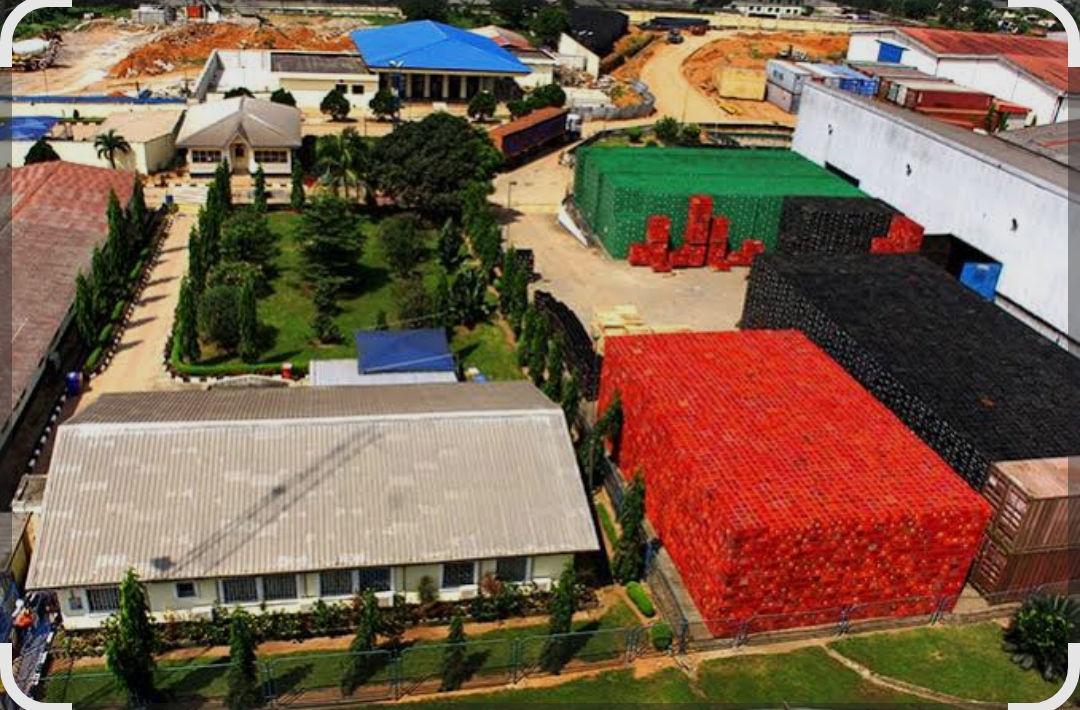

The next phase of growth came through strategic acquisitions. In October 2011, Nigerian Breweries Plc acquired majority stakes in Sona Systems Associates Business Management Limited (Sona Systems), which operated breweries in Ota and Kaduna, and Life Breweries Company Limited, with a brewery in Onitsha. As part of the Sona Systems acquisition, another modern malting plant located at the Kaduna Brewery was integrated. By mid-2012, both Sona Systems and Life Breweries were merged fully with Nigerian Breweries, marking a significant expansion of production capacity, workforce, and geographical reach.
The 2014 merger with Consolidated Breweries Plc further transformed Nigerian Breweries. This merger added three more breweries—Imagbon (near Ijebu Ode), Awo-Omamma (near Owerri), and Makurdi—alongside the existing eight, significantly increasing production and distribution capacity. While operations in Kakuri and Awo-Omamma breweries have since been suspended, the network of seven fully operational breweries and two malting plants now forms the backbone of the company’s nationwide distribution. Onitsha and Makurdi were redeveloped as distribution centers, enabling efficient supply across Nigeria.
A Portfolio of Iconic Brands
Nigerian Breweries has consistently built a portfolio of products that resonate with diverse consumer preferences. Starting with Star Lager Beer in 1949, the company introduced Gulder Lager Beer in 1970, followed by the nourishing malt drink Maltina in 1976. Legend Extra Stout was launched in 1992, with Amstel Malta following in 1994. In 1998, the company reintroduced Heineken Lager Beer into the Nigerian market, strengthening its international appeal.
The early 2000s saw diversification into non-alcoholic beverages. Fayrouz, a premium non-alcoholic soft drink, was launched in 2006, followed by Climax Herbal Energy Drink in 2010. The 2011 acquisitions of Sona Systems and Life Breweries further enriched the product portfolio with Goldberg Lager, Malta Gold, and Life Continental Lager.
Innovation and line extensions have been a hallmark of Nigerian Breweries. In 2014, the Star brand was extended with Star Lite and Star Radler. The merger with Consolidated Breweries introduced 33 Export Lager Beer, Williams Dark Ale, Turbo King Dark Ale, More Lager Beer, and Hi Malt. The Ready-to-Drink category was boosted with Ace in 2015, while Tiger Lager Beer, an international premium brand, joined the portfolio in 2018.
By 2020, Nigerian Breweries had expanded the Maltina brand to include Maltina Pineapple and Maltina Vanilla, alongside Amstel Malta Ultra, Star Radler Red Fruits, and the tequila-flavored Desperados, illustrating the company’s commitment to catering to evolving consumer tastes. In 2022, Zagg, a malt-infused energy drink, was launched, followed by Goldberg Black Lager and two line extensions of Fayrouz—Pineapple and Apple & Watermelon—in 2023.
Total Beverage Company: Wines, Spirits, and Global Reach
The company’s transformation into a total beverage company was cemented with the acquisition of Distell Wines and Spirits Nigeria Limited (DWSN) in 2024, fully integrated in 2025. This acquisition introduced iconic brands such as Amarula Cream Liqueur, Nederburg, Drostdy-Hof, and 4th Street, enabling Nigerian Breweries to offer a wide range of wines and spirits alongside its beers and malt drinks.
Exports have been a key part of Nigerian Breweries’ strategy since 1986, with products now reaching the United Kingdom, Netherlands, United States, Canada, Middle East, Asia, and several African countries. Through these exports, the company promotes Nigerian products on the global stage, generating foreign exchange and showcasing local production excellence.
Economic Impact: Jobs, Communities, and Supply Chains
Nigerian Breweries Plc’s impact goes far beyond beverages. Its operations have directly created thousands of jobs across breweries, malting plants, distribution centers, and sales offices. Ancillary businesses have thrived due to the company’s supply chain demands—including bottle and can production, labeling, carton manufacturing, transportation, event management, and marketing.
Economist Celestine Ukpong highlights that “every brewery is a hub of economic activity. The ripple effect of Nigerian Breweries’ operations is felt in transport, retail, hospitality, and small-scale production, impacting the livelihoods of tens of thousands of Nigerians.” Meanwhile, Peter Adebayo, FCA, emphasizes that “the company’s financial discipline, transparency, and governance have created immense wealth for shareholders while ensuring a positive social footprint in every community where it operates.”
The company’s breweries often act as economic anchors in their locations. In Aba, for example, the brewery supports a network of malt suppliers, truck drivers, and local service providers. In Enugu, Ama Brewery has fostered employment for hundreds of locals while boosting the hospitality and transport sectors. Nigerian Breweries’ distribution centers ensure that products reach even the remotest parts of the country, supporting small retailers and stimulating regional commerce.
Corporate Governance and Recognition
Nigerian Breweries has consistently set high standards in corporate governance and compliance. Listed on the Nigerian Stock Exchange in 1973 (now Nigerian Exchange Limited), the company has achieved a market capitalization of approximately ₦2.33 trillion as of 31st December 2025. It has received numerous accolades, including:
NGX President’s Merit Award in the Brewery Sector
NGX Quoted Company of the Year
NGX CEO’s Distinguished Award for Compliance
Most Compliant Listed Company on NGX
Institute of Directors Nigeria Corporate Governance Award
Institute of Chartered Secretaries and Administrators Award for Excellence in Corporate Governance
The company has also been recognized for marketing excellence, innovation, product quality, public relations, health and safety, and sustainability initiatives. These awards reflect Nigerian Breweries’ commitment to not only business success but also ethical, responsible, and sustainable corporate citizenship.
Innovation and Sustainability
Innovation is at the heart of Nigerian Breweries’ strategy. Beyond product development, the company has embraced sustainable practices in production, packaging, and distribution. Efforts to reduce energy consumption, water usage, and waste management align with global best practices, demonstrating the company’s commitment to environmental stewardship.
Programs supporting local communities include education, healthcare initiatives, youth empowerment, and skills development. Nigerian Breweries has consistently used its resources to positively influence the communities in which it operates, reinforcing the link between business growth and social responsibility.
Looking Ahead: The Future of Nigerian Breweries
From a single brewery in Lagos to a multi-brand, total beverage company with a global footprint, Nigerian Breweries Plc’s story is one of resilience, innovation, and societal impact. Its legacy continues to grow, driven by a commitment to quality, excellence, and community engagement.
As Nigerian Breweries looks to the future, it aims to:
Expand its brand portfolio while staying attuned to consumer trends
Continue driving economic growth through job creation and support for ancillary industries
Strengthen its global export presence, bringing Nigerian beverages to new markets
Uphold and enhance standards of corporate governance, sustainability, and social responsibility
For Nigeria, Nigerian Breweries Plc is more than a company. It is an engine of economic development, a supporter of communities, and a symbol of what vision, consistency, and excellence can achieve over decades. From Star Lager in 1949 to a full spectrum of global beverages today, the company continues to inspire, innovate, and create lasting impact across the country and the world.
Nigerian Breweries Plc has grown from a single Lagos brewery in 1949 to a nationwide beverage leader, generating jobs, supporting local communities, driving economic growth, and expanding globally with iconic brands like Star, Gulder, and Malta. This November 16, Nigerian Breweries Plc marks 80 remarkable years of pioneering Nigeria’s beverage industry. From the iconic launch of its first Star Lager, the company has grown into a total beverage enterprise with seven breweries, two malting plants, and a footprint that extends to global exports. Over eight decades, Nigerian Breweries has created thousands of jobs, supported communities, and contributed significantly to Nigeria’s economic growth, cementing its legacy as a pillar of the nation’s industrial progress.
Discover more from Ameh News
Subscribe to get the latest posts sent to your email.