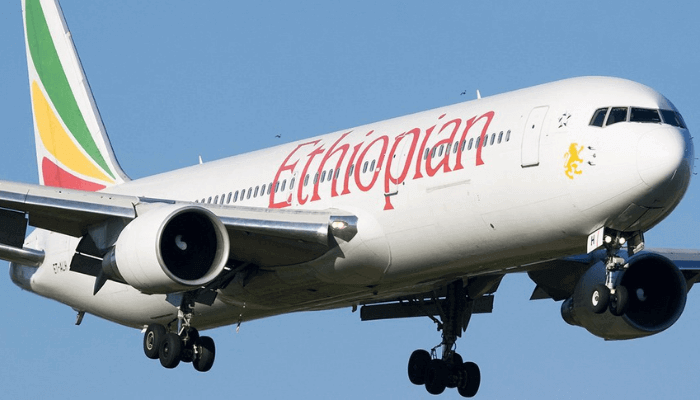
 Ethiopia has signaled a cautious approach to opening its aviation sector to foreign private airlines, ruling out immediate full liberalization as it seeks to fortify domestic carriers. The move underscores the importance of strengthening local operators before exposing them to global competition—a lesson that the Nigerian government could take seriously.
Speaking at a sector meeting on Monday, February 23, 2026, Yohannes Abera, Director General of the Ethiopian Civil Aviation Authority, stressed that the country’s aviation ecosystem, legal frameworks, and financing structures must be reinforced before considering full liberalization.
“The broader aviation ecosystem and legal and financing frameworks must be strengthened before any liberalisation is considered,” Abera said, noting that local carriers still lack the institutional depth to compete independently on the global stage.
Ethiopia, home to Africa’s largest aviation market, is currently implementing reforms to bolster domestic airlines, including new aircraft financing rules and operational support measures. Officials indicated that full liberalization could occur later once local carriers are better positioned to compete with international airlines.
For Nigeria, which has one of the continent’s fastest-growing aviation markets, the Ethiopian model presents valuable lessons. Industry experts suggest that opening the market too quickly to foreign airlines could put domestic carriers at a disadvantage, especially given challenges such as limited access to modern aircraft, regulatory bottlenecks, and operational inefficiencies.
Aviation economist Celestine Ukpong notes, “Nigeria can learn from Ethiopia’s phased approach. Strengthening local carriers through policy, financing support, and operational reforms will make them competitive on the international stage, rather than risking their collapse by rushing liberalization.”
Similarly, Peter Adebayo, FCA, emphasizes that government-led support measures—such as easier access to aircraft financing and robust legal frameworks—are crucial to ensure that Nigerian airlines can scale efficiently before foreign entrants increase competition.
By prioritizing domestic airline resilience, the Nigerian government can secure jobs, expand air connectivity nationwide, and maintain a robust aviation sector capable of competing globally in the future. Analysts believe that such an approach could also attract strategic international partnerships without undermining the growth of local carriers.
Nigeria’s aviation sector has been grappling with similar structural hurdles as Ethiopia, including limited fleet capacity and operational constraints. Ethiopia’s strategy offers a blueprint for balancing market openness with domestic industry protection—a careful calibration that could guide Nigeria’s aviation policy decisions in the coming years.
Ethiopia’s cautious aviation liberalization highlights lessons for Nigeria: strengthening domestic airlines before opening the market to foreign carriers ensures competitiveness, sustainability, and industry growth.
Discover more from Ameh News
Subscribe to get the latest posts sent to your email.