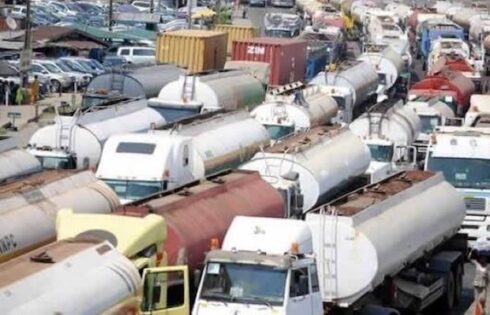
In a move that has sparked nationwide debate, the Nigerian National Petroleum Company Limited (NNPCL) recently raised the price of Premium Motor Spirit (PMS) to N960 per litre at its retail outlets in Abuja, citing the escalating geopolitical tensions in the Middle East involving the United States, Israel, and Iran. While international crude oil markets have experienced volatility, economists, industry experts, and consumers are questioning the rationale for linking the cost of locally refined petrol to global conflicts.
This sudden hike comes at a time when Nigerians are already grappling with high living costs, inflationary pressures, and the rising cost of goods and services. The decision has reignited discussions about NNPCL’s operational mandate, its reliance on imported petroleum products, and the urgent need for domestic refining reforms.
Local Refining vs Imported Oil: A Structural Dilemma
For decades, Nigeria has been endowed with significant crude oil reserves and multiple refining facilities in Port Harcourt, Warri, and Kaduna. Yet, paradoxically, a large portion of the country’s petroleum products continues to be imported.
Celestine Ukpong, an economist specializing in energy policy, said, “Crude oil prices fluctuate naturally due to geopolitical tensions, supply-demand imbalances, or market speculation. However, locally refined petrol should not automatically mirror the international crude oil market. If the fuel is produced in Nigeria, its price should primarily reflect domestic refining costs, operational expenses, and logistics—not foreign conflicts.”
Similarly, Peter Adebayo FCA, a petroleum finance expert, warned of the macroeconomic implications. “A price surge to N960 per litre has a cascading effect. Transportation costs increase, logistics firms raise prices, and the cost of goods in markets increases. For households already under financial strain, this decision compounds economic hardship,” he said.
The argument is clear: Nigeria’s domestic refining infrastructure, if optimally functional, could shield consumers from external shocks. Yet NNPCL’s pricing strategy suggests a heavy dependence on imported petroleum products.
Stakeholders Call for Reform: “Rename NNPCL”
The recent price adjustment has prompted energy sector stakeholders to call for both operational and structural reforms within NNPCL. Many now argue that the company functions less as a national petroleum operator and more as an import-dependent enterprise.
An energy sector consultant, noted, “NNPCL’s actions demonstrate that it operates as an importer of refined products rather than a manager of Nigeria’s domestic refining capacity. Public perception and reality are misaligned. If anything, a name change to the ‘Nigerian Petrol Imports Company’ would honestly reflect its operations and signal the need for reforms that prioritize domestic production.”
Civil society organizations and trade unions have echoed this sentiment. The Nigerian Labour Congress (NLC) issued a statement emphasizing that consumers should not bear costs dictated solely by foreign crises. “NNPCL’s mandate should prioritize domestic refining to protect Nigerians from volatile global markets,” the statement read.
Social media platforms have been flooded with reactions. Hashtags like #NNPCLPriceHike, #FuelCrisisNigeria, and #RenameNNPCL have trended on X (formerly Twitter), reflecting widespread dissatisfaction and a call for accountability. Many users criticize the company for a lack of transparency and insist that pricing structures should distinguish between locally refined and imported petrol.
Historical Pricing Trends in Nigeria
Understanding the current pricing controversy requires a look at historical trends in Nigeria’s petroleum sector. In the early 2000s, PMS prices were heavily subsidized, and domestic refineries struggled with underinvestment and poor maintenance.
By 2012, subsidy removal policies led to partial deregulation, allowing market forces to influence petrol prices. However, despite Nigeria being a top crude oil producer, domestic refining remained underutilized, forcing the country to rely on imported refined products to meet demand.
This import dependence has made petrol prices highly sensitive to fluctuations in the global crude oil price. For example, during the 2019 Middle East tensions, Nigeria experienced brief spikes in petrol prices, despite stable domestic crude production. The current situation mirrors that pattern, highlighting structural weaknesses in the energy sector.
Economic Impacts of N960 Petrol
The immediate effect of the N960 per litre hike is felt across transportation and logistics networks. Public transport operators and haulage firms have already indicated intentions to revise fares, a move that will inevitably trickle down to consumers in the form of higher food and commodity prices.
Peter Adebayo FCA explained, “When transport costs increase, everything from school fees to bread prices indirectly rises. Inflation, already at elevated levels, will see an uptick. Policymakers must consider these indirect consequences when sanctioning fuel price adjustments.”
Moreover, SMEs reliant on fuel for operations are expected to face profit erosion. Local manufacturers, distribution companies, and agricultural producers, who constitute a significant portion of Nigeria’s economy, may find operational costs unsustainable if the trend continues.
Domestic Refining: The Missed Opportunity
Nigeria currently operates four major refineries, but inefficiencies, poor maintenance, and technical faults have kept them from achieving optimal capacity. Analysts argue that a focus on domestic refining could serve as a buffer against imported fuel volatility.
Celestine Ukpong stressed, “If NNPCL invested in upgrading refineries and maintaining operational efficiency, we could see a scenario where petrol prices are less dependent on international crude oil prices. Consumers would be insulated from geopolitical shocks, and Nigeria could reclaim energy sovereignty.”
Stakeholders also advocate for policy reforms that incentivize domestic refining, including:
Capital investments in refinery modernization
Transparent monitoring of fuel distribution
Differentiation between imported and locally refined petrol in pricing mechanisms
Government-backed guarantees for refinery efficiency and supply consistency
Such measures, experts argue, would gradually reduce dependence on imports and stabilize consumer prices.
Public Sentiment and Calls for Accountability
Public reaction has been immediate and intense. Citizens question the logic of paying N960 per litre for petrol when it is locally refined. Many view NNPCL’s pricing as a reflection of systemic inefficiency rather than unavoidable market forces.
“I don’t understand why we are paying nearly a thousand naira per litre for petrol in Abuja,” said a resident. “If this petrol comes from Nigerian refineries, the price should reflect domestic costs, not Middle East conflicts.”
Similarly, small business owners express frustration. David Odinlo, a logistics operator, said, “Every week, fuel prices go up, and it hits our operations directly. If NNPCL truly managed domestic refineries, this wouldn’t happen. The government needs to enforce reforms and transparency.”
These sentiments underscore a growing demand for accountability and structural reform in the sector. The call to rename NNPCL to ‘Nigerian Petrol Imports Company’ has gained traction among policymakers, civil society groups, and energy sector experts as a symbolic and practical step to align public perception with operational reality.
Policy Recommendations and the Way Forward
Experts suggest several actionable reforms to prevent future crises:
Strengthen Domestic Refineries: Prioritize maintenance and operational efficiency to reduce reliance on imported fuel.
Transparent Pricing Mechanism: Clearly distinguish between imported and locally refined petrol prices.
Strategic Petroleum Reserves: Build buffer stocks to mitigate price shocks during global crises.
Government Oversight and Accountability: Ensure NNPCL aligns with its national mandate rather than functioning primarily as an import agency.
Public Communication: Engage citizens on pricing rationale to build trust and reduce misinformation.
Reform is Imperative
The N960 petrol price hike exposes the vulnerabilities in Nigeria’s petroleum sector. While geopolitical events in the Middle East can influence international crude oil markets, locally refined petrol should remain largely insulated from such shocks.
Stakeholders, civil society groups, and experts collectively call for operational reform, enhanced domestic refining, and transparent pricing mechanisms. They also suggest that a name change to Nigerian Petrol Imports Company would at least reflect reality, signal accountability, and reinforce the need for reforms that prioritize domestic production.
Until these measures are implemented, Nigerians will continue to face fuel price volatility, economic strain, and the frustration of paying for imported costs under the guise of national petroleum operations.
The debate now centers not only on fuel prices but on the structural integrity of NNPCL itself. Will the government and stakeholders act decisively to reform the sector, or will Nigerians continue to bear the costs of an import-driven model masquerading as a national petroleum company?
NNPCL raises petrol price to N960 amid Middle East crisis. Experts and stakeholders call for reform, suggesting renaming the company to Nigerian Petrol Imports Company to reflect its import-driven operations.
Discover more from Ameh News
Subscribe to get the latest posts sent to your email.