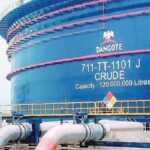
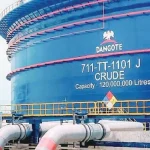
 The Managing Director of the Dangote refinery, David Bird
Stakeholders across Nigeria’s energy and economic sectors have weighed in on the recent fuel price adjustments by the Dangote Refinery, as global crude market tensions triggered by the Middle East crisis continue to ripple through international energy markets.
The debate intensified after the Managing Director of the refinery, David Bird, explained that the facility purchases Nigerian crude oil at international benchmark prices rather than discounted domestic rates, a factor he said significantly influences the cost of refining petroleum products.
Bird clarified that although the refinery is located in Nigeria, its crude procurement process mirrors global market standards.
“We purchase Nigerian crude from the government at international benchmark prices. We then pay international freight and insurance rates. All these add further costs to purchasing the barrels and refining it,” he said.
His remarks come at a time when global oil markets are experiencing renewed volatility following geopolitical tensions in the Middle East, a development analysts say is pushing up crude prices and shipping costs worldwide.
Industry observers say the explanation highlights the structural realities of Nigeria’s integration into the global oil trading system, even as expectations remain high that domestic refining would significantly reduce petrol prices.
Experts Explain Market Dynamics
Reacting to the development, economist Celestine Ukpong said the refinery’s pricing explanation aligns with the economic realities of the global oil market.
Ukpong noted that crude oil is a globally traded commodity whose pricing is largely influenced by international benchmarks such as Brent and WTI.
“Even though the refinery is located in Nigeria, the crude oil market is international. If crude is supplied at global prices and freight, insurance, and financing costs are also tied to international rates, the final refined product cannot escape those pressures,” he explained.
Ukpong added that the ongoing tensions in the Middle East — a region responsible for a significant portion of global crude supply — could further push prices upward.
“The geopolitical risks in that region naturally raise crude prices and shipping insurance costs globally. Nigeria cannot isolate itself from those market forces,” he said.
Communication and Public Perception
Public relations specialist Dr. Ejike Nduilo believes the explanation from the refinery management is important in addressing public misconceptions about local refining automatically translating into drastically cheaper petrol.
“According to him, many Nigerians assumed that once domestic refining began at scale, fuel prices would automatically drop, without considering the broader impact of the supply chain on final pricing,” Nduilo said.
He noted that better communication between industry operators, regulators, and the public will be essential in managing expectations. “People must understand that refining domestically improves supply stability, reduces import dependency, and saves foreign exchange, but it does not automatically erase global market dynamics,” he added.
Financial Perspective
From a financial standpoint, chartered accountant Peter Adebayo, FCA, said the refinery’s pricing model reflects the commercial structure of the global oil and refining business.
Adebayo explained that international freight, marine insurance, and crude financing costs have surged due to heightened geopolitical tensions and supply chain risks.
“Refineries operate within a margin structure. If crude costs increase or shipping and insurance costs rise, those costs must be reflected somewhere in the final pricing chain,” he said.
According to him, Nigeria still stands to benefit significantly from the refinery despite the pricing debate.
“The major gains are reduced import bills, improved product availability, and the strengthening of the country’s refining ecosystem. These benefits are long-term and strategic,” he added.
Strategic Role of the Refinery
The refinery, developed by Nigerian industrialist Aliko Dangote, is regarded as Africa’s largest single-train refinery and a key component of Nigeria’s plan to achieve energy security.
Located in the Lekki Free Trade Zone, the facility was designed to process hundreds of thousands of barrels of crude oil daily, helping the country reduce its long-standing dependence on imported refined petroleum products.
Analysts say while domestic refining may not fully insulate Nigeria from global oil price fluctuations, it could significantly stabilize product supply and reduce the economic shocks associated with fuel importation.
As the Middle East crisis continues to affect global energy markets, stakeholders say the discussion around fuel pricing in Nigeria will likely remain at the center of economic discourse in the months ahead.
Dangote Refinery MD David Bird says Nigerian crude is purchased at international benchmark prices, while experts and stakeholders highlight how global oil market tensions and supply chain costs affect fuel pricing in Nigeria.
Discover more from Ameh News
Subscribe to get the latest posts sent to your email.