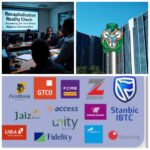
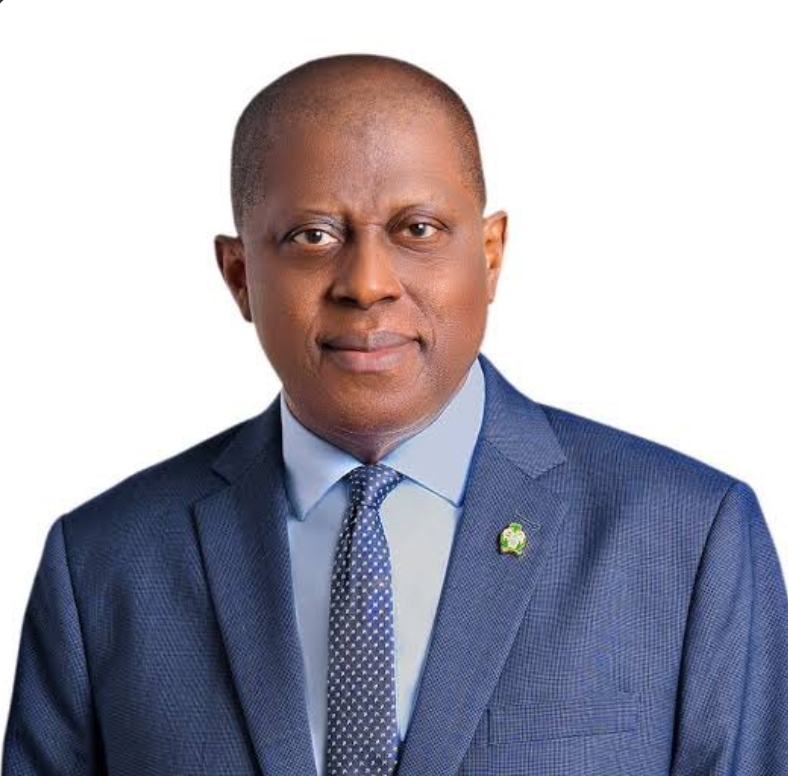
 The Governor of the Central Bank of Nigeria (CBN), Olayemi Cardoso, has revealed that 33 Nigerian banks have successfully raised fresh capital as part of ongoing reforms aimed at strengthening the country’s financial system and positioning the banking sector to support long-term economic growth.
Cardoso disclosed this while delivering a Distinguished Alumni Lecture during the Founders Day celebration of St. Gregory’s College in Lagos, where he outlined the progress made under the banking recapitalisation programme introduced by the apex bank in 2024.
Speaking on the theme “Strong Foundations: From the Classroom to the Capital Base,” the CBN Governor explained that the recapitalisation initiative is a strategic reform designed to ensure that Nigerian banks possess the financial strength and resilience required to support large-scale investments and economic transformation.
According to him, 30 banks have already met the new minimum capital requirements for their respective licence categories, while the remaining institutions are undergoing routine verification by the CBN in line with the compliance timeline.
“The banking recapitalisation programme is much more than a regulatory adjustment,” Cardoso said. “It is a strategic reform designed to ensure that Nigeria’s banking sector is strong enough to support the scale of investment required for the country’s economic transformation.”
Building Resilient Financial Institutions
Cardoso emphasised that strong capital bases are essential for safeguarding the stability of the financial system.
He explained that well-capitalised banks are better positioned to absorb economic shocks, expand lending to businesses, and maintain the confidence of depositors and investors.
“Strong capital provides three critical advantages. It protects banks against unexpected shocks, increases their ability to lend to businesses, and strengthens confidence among depositors, investors, and international partners,” he said.
Nigeria’s banking sector has expanded significantly over the past two decades, with many financial institutions now operating across multiple African markets and playing critical roles in financing trade, infrastructure, and entrepreneurship.
However, Cardoso stressed that growth alone is not sufficient without adequate resilience.
“As economies expand and financial systems deepen, institutions must strengthen their capacity to support that growth in a sustainable way,” he added.
Inflation Declines as Policy Tightening Takes Effect
The CBN Governor also highlighted progress in stabilising the macroeconomic environment, particularly in the fight against inflation.
He noted that inflation, which previously surged to about 34 percent, has declined to around 15 percent following the adoption of tighter monetary policies and a return to orthodox central banking practices.
Cardoso said the CBN has deliberately stepped back from quasi-fiscal interventions that previously distorted the economic landscape, focusing instead on price stability and market-based reforms.
“Our fight against inflation has been resolute, and the tight monetary stance we adopted has played a key role in bringing inflation down significantly,” he said.
Foreign Exchange Market Reforms
Cardoso further disclosed that reforms in the foreign exchange market have significantly improved transparency and efficiency.
One of the key policy changes was the elimination of multiple exchange rate systems that had previously created distortions in the market.
According to him, the gap between the official and parallel exchange markets has reduced dramatically—from about 50 percent in 2022 to less than two percent on average in 2025.
He also noted that the CBN has successfully cleared the backlog of unmet foreign exchange demand, enabling businesses and investors to access the market more easily without extraordinary interventions from the apex bank.
External Reserves and Capital Inflows Rise
The improved policy environment has also contributed to stronger investor confidence and increased capital inflows into the country.
Cardoso disclosed that Nigeria’s external reserves have exceeded $50 billion, reflecting improvements in the balance of payments and rising foreign investment.
He added that capital and investment inflows into Nigeria increased by nearly 200 percent between 2023 and 2025, a development he attributed to growing investor confidence in the country’s reform agenda.
“The relative stability we are seeing today in the foreign exchange market is not accidental. It is the result of deliberate efforts to rebuild trust and confidence among domestic and international investors,” he said.
Preparing for Global Economic Shocks
While acknowledging the volatility of the global economic environment, Cardoso said Nigeria’s strengthened financial system and improved macroeconomic buffers have placed the country in a better position to withstand external shocks.
He pointed to geopolitical tensions, including developments surrounding the US–Israel–Iran conflict, as factors that could affect global energy prices and supply chains.
However, he expressed confidence that Nigeria’s recent reforms have significantly improved its economic resilience.
“The storms may come, but our economic house will stand because the foundations are stronger,” he said.
Technology Reshaping Financial Services
Cardoso also highlighted the growing impact of financial technology on Nigeria’s financial ecosystem.
According to him, the country has developed one of the most vibrant fintech environments globally, with digital payments, mobile banking, and technology-driven platforms expanding access to financial services.
He said the CBN is strengthening regulatory frameworks covering Know-Your-Customer (KYC), Anti-Money Laundering (AML), and operational risk to ensure that innovation develops within a secure and credible financial environment.
“These guardrails are not barriers to innovation. They are the infrastructure that ensures trust and sustainability within the financial ecosystem,” he noted.
Lessons from Education and Leadership
Reflecting on the theme of the lecture, Cardoso said strong educational foundations play a critical role in shaping leaders capable of building resilient institutions and strong economies.
He urged students to embrace discipline, curiosity, and adaptability as they prepare for careers in an increasingly technology-driven global economy.
“The classrooms of today will shape the financial systems of tomorrow,” he said.
Cardoso also commended members of the St. Gregory’s College Old Boys Association for their continued support of the institution and their efforts in mentoring the next generation of leaders.
He stressed that alumni have a responsibility to invest in the institutions that shaped them through mentorship, partnerships, and philanthropic support.
Strengthening Nigeria’s Economic Future
Concluding his address, the CBN Governor reiterated that the long-term prosperity of nations depends on the strength of their institutions and human capital.
According to him, building strong financial systems, credible institutions, and disciplined leadership will remain critical to Nigeria’s economic transformation.
“If we build our foundations well—in our schools, our institutions and our financial system—Nigeria’s future will not only be promising, but secure,” Cardoso stated.
CBN Governor Olayemi Cardoso says 33 Nigerian banks have raised fresh capital under recapitalisation reforms aimed at strengthening financial stability, boosting lending, and supporting economic growth.
Discover more from Ameh News
Subscribe to get the latest posts sent to your email.