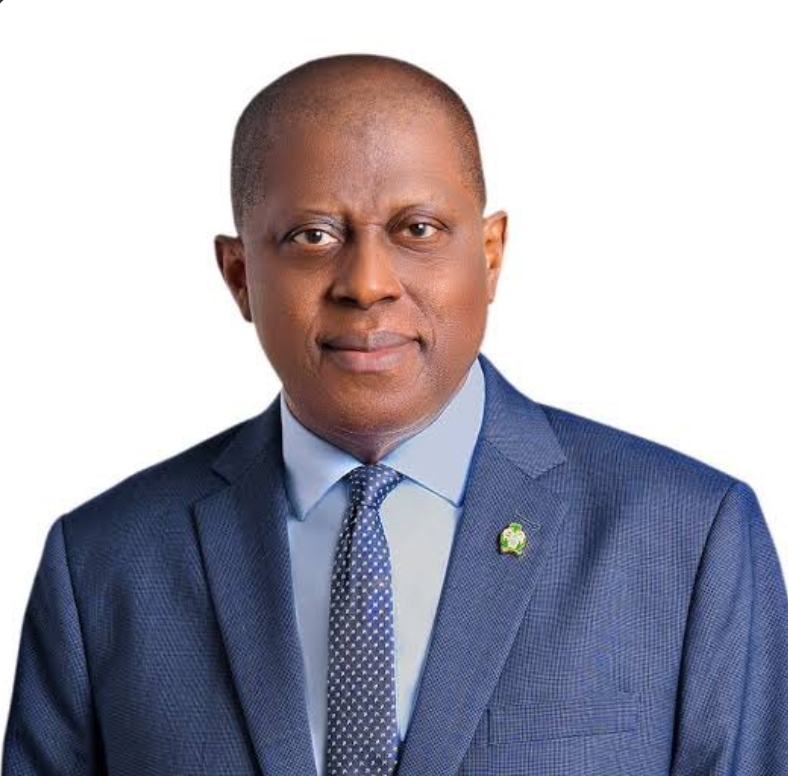
 The Central Bank of Nigeria (CBN) under Governor Mr. Olayemi Michael Cardoso
Nigeria’s financial sector has become more resilient to external shocks, and investor confidence has been significantly restored, thanks to comprehensive monetary and policy reforms led by the Central Bank of Nigeria (CBN) under Governor Mr. Olayemi Michael Cardoso, he said on Tuesday.
Addressing investors and development partners during the sidelines of President Bola Ahmed Tinubu’s state visit to the United Kingdom, Governor Cardoso highlighted the transformative impact of disciplined, forward-looking policies on Nigeria’s banking and financial system.
“Our monetary and financial reforms have created a stronger capacity to withstand shocks through consistent, transparent, and predictable policies,” Governor Cardoso said. “The stability we are seeing today reflects the hard work and strategic vision of the CBN under my leadership.”
Transparency in Foreign Exchange and Payment Systems Reform
Governor Cardoso noted that the foreign exchange market now operates with greater transparency and liquidity. Reforms have removed many legacy capital controls, simplifying trade and investment processes and making Nigeria’s FX market more attractive to investors.
He also revealed that the CBN has finalized a new Payments System Vision for Nigeria, which is scheduled to launch soon. This initiative aims to position Nigeria as a regional leader in digital and cross-border payments, enhancing the country’s competitiveness and fostering financial inclusion.
Bank Recapitalisation and Foreign Investment
Significant progress has been made in the ongoing bank recapitalisation programme. Governor Cardoso disclosed that over 30 banks have met new capital requirements, with verification ongoing for the remaining institutions. About 28% of recapitalisation funds have come from foreign investors, reflecting renewed confidence in Nigeria’s financial stability.
Diaspora remittances, he added, have grown substantially, helping diversify Nigeria’s foreign exchange reserves and reducing vulnerability to global market volatility.
“Our focus remains on safeguarding the stability we have achieved, so that investors and stakeholders can plan with confidence,” Governor Cardoso emphasized.
Digital Finance and Fintech Collaboration
Under Governor Cardoso’s leadership, the CBN is actively partnering with the fintech sector to address regulatory and operational challenges. These efforts are designed to strengthen financial inclusion, drive innovation, and make Nigeria a model for digital finance across Africa.
He stressed the importance of close coordination between fiscal and monetary authorities, noting that the presence of fiscal representatives on the CBN Board and Monetary Policy Committee ensures sustainable growth through aligned policies.
Macroeconomic Stability and Growth Prospects
Governor Cardoso reported that inflation has fallen sharply, overall economic stability has improved, and Nigeria is poised for robust growth driven by domestic investment, oil-sector reforms, and renewed global confidence.
“We will continue to maintain stability, not only in inflation but also in the foreign exchange market, through transparency and consistent reporting,” he said. “Our macroeconomic reforms have shifted Nigeria from a phase of stabilization to capital mobilization, making the country an attractive destination for both domestic and international investors.”
“Nigeria’s growth drivers are deepening, and our banking system is becoming one of the strongest in Africa,” Governor Cardoso concluded, reaffirming the CBN’s commitment to predictable policies and responsible financial governance.
CBN Governor Olayemi Michael Cardoso highlights Nigeria’s financial reforms, including bank recapitalisation, FX transparency, and digital payment initiatives, strengthening shock resilience and investor confidence.
Under CBN Governor Olayemi Michael Cardoso, Nigeria’s financial reforms have enhanced stability, improved bank recapitalisation, strengthened FX transparency, and boosted investor confidence and fintech innovation.
Discover more from Ameh News
Subscribe to get the latest posts sent to your email.