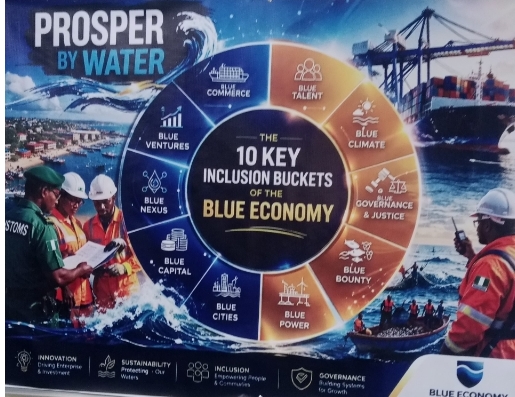
 As Nigeria intensifies efforts to diversify its economy away from oil dependency, a defining moment unfolded on March 23, 2026, in Lagos—a moment that may well reshape the nation’s economic trajectory for decades to come.
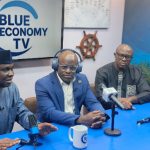
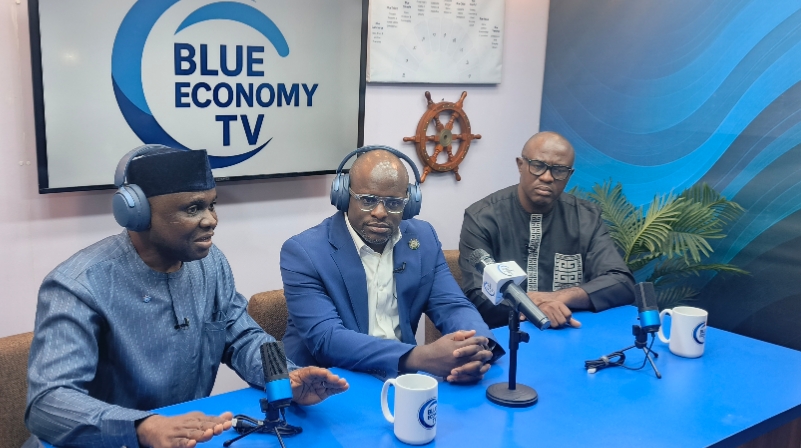
At the prestigious Blue Economy Academy in Osborne Phase 2, Ikoyi, policymakers, maritime experts, and media professionals converged for the historic launch of Blue Economy TV (BETV), Nigeria’s first broadcast platform solely dedicated to the blue economy. The atmosphere was charged with purpose, signaling a bold shift in national thinking: the ocean is no longer just a boundary—it is a frontier of opportunity.
The initiative, championed by Ubong Essien, Founder of the Blue Economy Academy, represents years of advocacy and strategic engagement aimed at elevating discourse around Nigeria’s vast but underutilized marine resources. With his background as a maritime journalist and Certified Security Professional, Essien has consistently pushed for policies and platforms that spotlight the economic promise of Nigeria’s coastal and ocean assets.
The unveiling ceremony, coordinated by Ismail Aniemu, publisher of JournalNG Magazine, was both symbolic and strategic. It was not merely the launch of a media platform, but the birth of a new narrative—one that places maritime development at the center of Nigeria’s economic diversification agenda.
Delivering remarks as Special Guest, Emmanuel Oluwadamilola, Special Adviser to the Governor of Lagos State on the Blue Economy, underscored the critical role of communication in driving economic transformation.
“Nations rise not only by what they build, but by how well they communicate what is possible,” he said.
He described BETV as a “voice for our waters”—a platform poised to reshape perceptions, deepen awareness, and unlock vast opportunities across multiple sectors within the maritime ecosystem.
A Strategic Turning Point
For decades, Nigeria’s economic fortunes have been tied to crude oil. Yet, beneath its waters lies a largely untapped reservoir of wealth—shipping, fisheries, marine biotechnology, offshore energy, tourism, and port infrastructure. BETV emerges as a critical tool to bridge the information gap, amplify stakeholder voices, and drive awareness around these opportunities.
Stakeholders at the event underscored that the blue economy could generate millions of jobs, boost exports, and strengthen Nigeria’s position in global maritime trade if properly harnessed. The platform is expected to serve as a catalyst—educating investors, informing policy debates, and showcasing innovations across the sector.
Reflections: Beyond the Launch
Looking back, the launch of BETV may be remembered as more than a ceremonial event—it is a strategic inflection point. It reflects a growing consensus that Nigeria must look beyond land-based resources and embrace the economic potential of its waters.
From the bustling ports of Lagos to the untapped coastal corridors stretching across the nation, the message is unmistakable: the future of Nigeria’s prosperity is as much offshore as it is onshore.
In the final analysis, BETV stands as both a symbol and a tool—symbolizing a shift in mindset and serving as a vehicle to drive that transformation. If sustained with the right policies, investments, and stakeholder collaboration, this initiative could help reposition Nigeria not just as an oil giant, but as a formidable maritime powerhouse on the global stage.
Discover more from Ameh News
Subscribe to get the latest posts sent to your email.