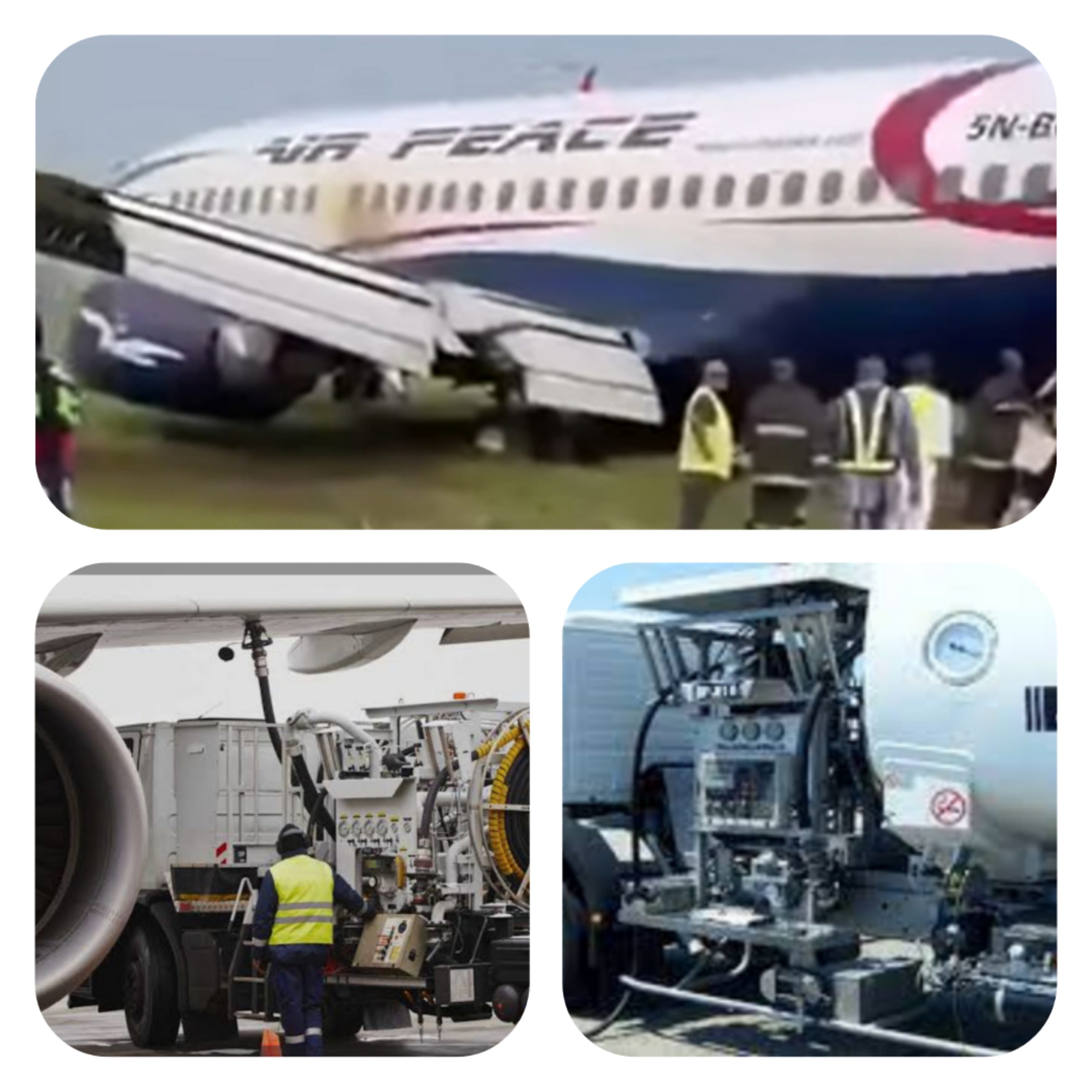
 Nigeria’s aviation sector is once again under pressure as Air Peace confirms widespread operational disruptions triggered by persistent aviation fuel shortages.
In a customer advisory released on March 30, 2026, the airline disclosed that ongoing constraints in the supply of Jet A1 fuel are forcing adjustments across its domestic and regional operations, resulting in flight delays and temporary baggage limitations.
The development highlights the fragile state of Nigeria’s aviation fuel supply chain, where inconsistent availability and rising costs continue to disrupt airline schedules and strain operators’ margins.
According to the airline, the fuel crisis has made it necessary to implement weight management measures on certain flights—an operational decision that directly affects checked baggage allowances.
“Some flights across our network may experience delays due to ongoing aviation fuel supply challenges,” the airline stated, noting that baggage carriage restrictions may be introduced to maintain strict compliance with safety and performance requirements.
Under these temporary measures, passengers may be required to travel with reduced checked baggage, while excess luggage will be rescheduled and transported on subsequent flights.
The airline reassured customers that all affected baggage would be properly tracked and handled with care, minimizing the risk of loss or damage.
Spokesperson for the airline, Osifo-Whiskey Efe, expressed regret over the inconvenience caused, emphasizing that the airline is taking proactive steps to cushion the impact on passengers.
“We sincerely apologise for any inconvenience this may cause and appreciate your understanding as we work to manage these disruptions effectively,” the statement read.
Passengers have been advised to frequently monitor their flight status and maintain contact with the airline’s customer service channels for timely updates and support.
Industry Context and Wider Implications
The latest disruption underscores a recurring challenge within Nigeria’s aviation ecosystem, where Jet A1 fuel supply instability has become a critical risk factor for airlines.
Industry analysts note that fuel accounts for a significant portion of airline operating costs—often exceeding 30 to 40 percent—making any disruption in supply not only a logistical issue but also a financial strain.
In recent years, airlines operating in Nigeria have had to contend with fluctuating fuel prices, foreign exchange constraints, and distribution bottlenecks, all of which have contributed to irregular flight operations.
The situation has also raised concerns about passenger confidence, as frequent delays and schedule changes risk eroding trust in the reliability of domestic air travel.
Experts argue that without structural reforms—such as improved local refining capacity, better logistics infrastructure, and policy support—the aviation sector may continue to experience cyclical disruptions.
Safety Priority Amid Disruptions
Despite the operational challenges, Air Peace reiterated that safety remains non-negotiable. The airline emphasized that all decisions regarding delays and baggage limitations are guided strictly by international aviation safety standards.
“Our team is making every effort to minimise the impact and ensure you are conveyed safely and as promptly as possible,” the airline assured.
What Passengers Should Expect
Passengers traveling within the airline’s network in the coming days are advised to:
Check flight status regularly before departure
Arrive early at the airport to accommodate possible changes
Prepare for potential baggage adjustments
Stay connected with the airline for real-time updates
Outlook
As Nigeria continues to grapple with energy supply challenges, the aviation sector remains particularly vulnerable. For airlines like Air Peace, the ability to maintain operational stability amid fuel uncertainty will be critical in sustaining passenger confidence and market leadership.
Air Peace confirms flight disruptions and baggage limits amid Jet A1 fuel shortages in Nigeria, raising concerns over aviation stability and passenger experience.
Discover more from Ameh News
Subscribe to get the latest posts sent to your email.