By The Ameh News
 Nigeria’s illicit alcohol trade has come under renewed scrutiny as industry leaders warn of a deepening public health crisis and staggering economic losses estimated at ₦472 billion annually.
The Spirits and Wines Association of Nigeria (SWAN) has enlisted the support of journalists and media professionals as part of a coordinated national response to combat the growing menace of counterfeit alcoholic beverages.
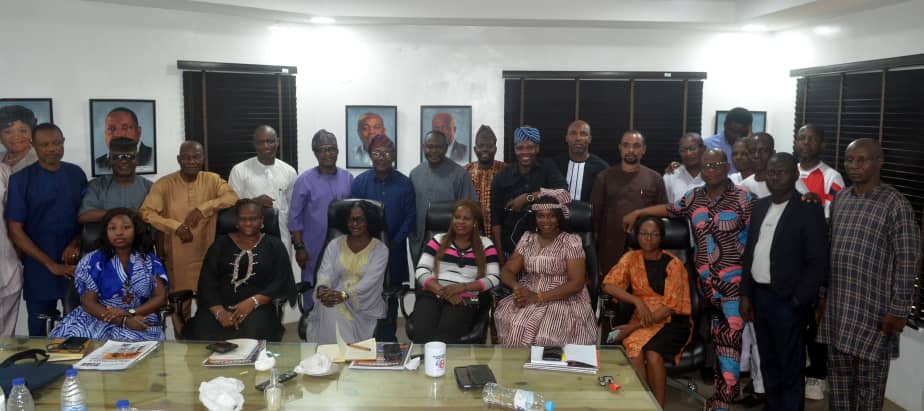
Speaking at the Brand Journalists Association of Nigeria (BJAN) monthly breakfast roundtable held on March 27 in Lagos, SWAN Director-General, Tony Okwoju, described illicit alcohol as a “triple-threat” to Nigeria—draining government revenue, eroding private sector investments, and endangering millions of lives.
Citing a Deloitte report, Okwoju revealed that illicit alcohol accounts for approximately 40 percent of the total market share in Nigeria, a development he said continues to weaken regulatory systems and distort fair competition within the beverage industry.
However, beyond the financial implications lies a more disturbing reality—rising cases of health complications and fatalities linked to the consumption of adulterated drinks.
Okwoju raised alarm over the increasing use of methanol, a toxic industrial alcohol, by illegal manufacturers to produce counterfeit spirits. Unlike ethanol, which is safe for consumption in regulated quantities, methanol is highly poisonous and can cause irreversible damage.
“Methanol has no colour or taste, making it extremely difficult to detect in drinks. Consumers unknowingly ingest it, often with devastating consequences including blindness, organ failure, and even death,” he said.
He added emphatically: “This is no longer just about fake products in the market—this is about a dangerous network that is putting lives at risk daily.”
Media as Critical Stakeholders
Okwoju stressed that the media must go beyond routine reporting to play a proactive role in investigative storytelling, public sensitisation, and holding perpetrators accountable.
According to him, accurate and sustained reportage will not only expose illicit trade networks but also help educate consumers on the risks associated with unregulated alcohol consumption.
He noted that low public awareness and weak enforcement structures have enabled the illegal trade to thrive, especially in major commercial cities where demand for cheaper alternatives continues to rise amid economic pressures.
Industry Pushback: Bottle Recovery Strategy
In response to the growing threat, SWAN members have introduced an industry-wide initiative aimed at cutting off one of the key supply channels used by counterfeiters—recycled bottles.
Okwoju explained that criminal syndicates often collect empty branded bottles from bars, restaurants, and refuse dumps, refill them with substandard or toxic mixtures, and reintroduce them into circulation.
To counter this, beverage manufacturers now deploy dedicated recovery teams to nightlife venues to retrieve used bottles, which are then crushed and sent to specialized recycling plants.
“Although this initiative comes at a significant cost to manufacturers, it is a necessary step to protect consumers and preserve brand integrity,” he said.
April 22 Stakeholders’ Summit
As part of intensified efforts to tackle the crisis, SWAN has scheduled a high-level stakeholders’ workshop for April 22, 2026. The forum is expected to bring together regulatory agencies, law enforcement bodies, and industry operators to develop a unified strategy against illicit alcohol trade.
The workshop will focus on strengthening enforcement mechanisms, improving inter-agency collaboration, and enhancing consumer awareness campaigns.
Call for Collaboration
In his remarks, BJAN Chairman, Daniel Obi, underscored the importance of collaboration between the media and industry stakeholders in addressing systemic challenges.
He noted that the engagement reflects a shared commitment to promoting responsible consumption, improving industry standards, and supporting sustainable growth within Nigeria’s beverage sector.
“This dialogue provides an opportunity to build stronger relationships, exchange ideas, and collectively shape narratives that drive positive change,” Obi said.
He added that journalists have a critical role to play in amplifying credible information and influencing policy direction through fact-based reporting.
A Race Against Time
With counterfeit alcohol continuing to flood the market and enforcement gaps persisting, stakeholders warn that urgent, coordinated action is required to avert further loss of lives and revenue.
Analysts say the success of the anti-illicit trade campaign will depend largely on sustained media engagement, regulatory efficiency, and public cooperation.
For now, SWAN’s message is clear: the fight against illicit alcohol is not just an industry concern—it is a national imperative.
SWAN raises alarm over Nigeria’s ₦472bn illicit alcohol market, warning of deadly health risks as counterfeit drinks surge. Media and regulators mobilise for action.
Nigeria loses ₦472bn yearly to illicit alcohol trade, says SWAN, warning of rising deaths from toxic drinks. Stakeholders plan April 22 summit to tackle the crisis.
Discover more from Ameh News
Subscribe to get the latest posts sent to your email.