 Nigeria’s insurance industry is poised for a stronger growth trajectory following over two decades of far-reaching reforms that have reshaped its structure, strengthened regulation, and improved market confidence, according to the National Insurance Commission (NAICOM).
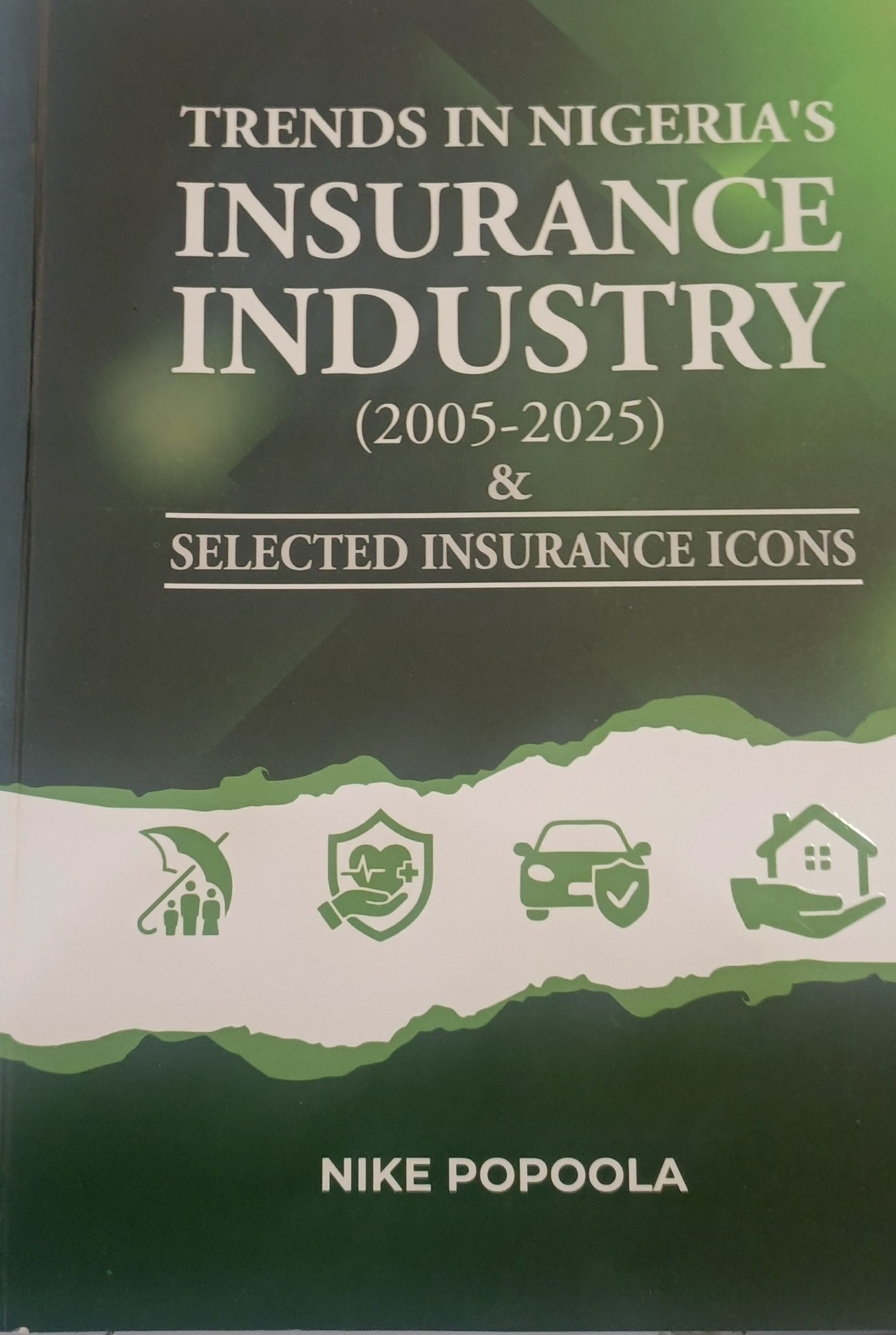
The Commissioner for Insurance and Chief Executive Officer of NAICOM, Olusegun Ayo Omosehin was represented at the event by the Director of Human Resources and Administration, Raasaq Salami, who made this projection in a reflection on the state of the industry during a book launch marking the second anniversary of Daily Economy in Lagos. Omosehin, while highlighting key milestones in the sector’s evolution, noted that the period between 2005 and 2025 represents one of the most transformative eras in Nigeria’s insurance market history.
According to him, the industry has moved from a phase characterized by structural weaknesses to one defined by increasing resilience, regulatory strength, and gradual market expansion.
“Before this reform journey, the industry faced significant challenges, including weak capitalisation, low public trust, limited product innovation, and poor insurance penetration,” he said. “However, through deliberate reforms, strategic regulatory interventions, and the commitment of stakeholders, we have witnessed a steady transformation of the sector.”
He identified the 2005–2007 recapitalisation exercise as a critical turning point that strengthened the financial base of insurance operators and restored credibility to the industry. This milestone, he explained, laid the foundation for subsequent reforms that have deepened financial inclusion and expanded access to insurance products across the country.
Omosehin stressed that NAICOM has remained committed to building a regulatory environment that promotes innovation while ensuring stability and consumer protection. He noted that the Commission has strengthened its supervisory frameworks and adopted risk-based supervision in line with global best practices.
“The insurance sector plays a critical role in economic development by mobilising long-term capital, supporting infrastructure growth, protecting assets, and providing financial security for individuals and businesses,” he said.
However, he cautioned that the industry must continue to evolve in response to emerging risks, technological disruption, and shifting customer expectations to fully unlock its potential.
A key highlight of his reflection was the Nigerian Insurance Industry Reform Act (NIIRA) 2025, which he described as a landmark legislation that fundamentally redefines the legal and operational framework of the sector.
Omosehin explained that the Act represents a bold and comprehensive reform designed to position Nigeria’s insurance industry for greater efficiency, resilience, and global competitiveness.
“For many years, the industry operated under legacy laws that were no longer sufficient for a modern and dynamic financial ecosystem. NIIRA 2025 was introduced to close these gaps and reposition the sector for long-term sustainability,” he stated.
The new legislation significantly strengthens NAICOM’s regulatory authority, enabling more effective supervision, stricter enforcement of compliance, and timely intervention in cases of infractions. This, he said, is expected to promote discipline, transparency, and accountability across the industry.
At the heart of the reform is enhanced policyholder protection. The Act introduces stronger safeguards to ensure prompt claims settlement, fair treatment of customers, and improved dispute resolution mechanisms—key factors aimed at restoring and sustaining public confidence in insurance.
It also addresses the longstanding challenge of weak enforcement of compulsory insurance policies by providing stronger legal backing to ensure compliance, thereby reinforcing the sector’s role in social and economic protection.
Omosehin further noted that NIIRA 2025 recognizes the growing influence of technology in financial services. It creates an enabling environment for innovation, including the expansion of insurtech solutions, digital distribution channels, and the development of innovative products tailored to emerging risks.
The reform also strengthens corporate governance standards across the industry, requiring operators to adhere to global best practices in transparency, ethical conduct, and accountability, while enhancing their financial resilience to withstand economic shocks.
He outlined the broader implications of the Act, noting that operators will be required to embrace higher professionalism and stronger risk management practices, regulators will benefit from improved supervisory tools, policyholders will enjoy better protection, and the economy will gain from a more robust insurance sector.
However, Omosehin emphasized that the success of NIIRA 2025 will depend on the collective commitment of all stakeholders, including regulators, operators, intermediaries, policymakers, and the media.
“We must see this reform not as a burden, but as an opportunity to build a more vibrant, inclusive, and globally competitive insurance industry,” he said.
With the ongoing reforms and regulatory strengthening, stakeholders expect Nigeria’s insurance sector to play a more significant role in economic diversification, financial inclusion, and long-term national development.
The Commissioner, Olusegun Ayo Omosehin highlights two decades of reforms reshaping Nigeria’s insurance industry, projecting stronger growth under the NIIRA 2025 framework.
NAICOM projects stronger growth for Nigeria’s insurance sector as Olusegun Ayo Omosehin highlights reform milestones and NIIRA 2025’s impact on regulation, innovation, and market confidence.
Discover more from Ameh News
Subscribe to get the latest posts sent to your email.