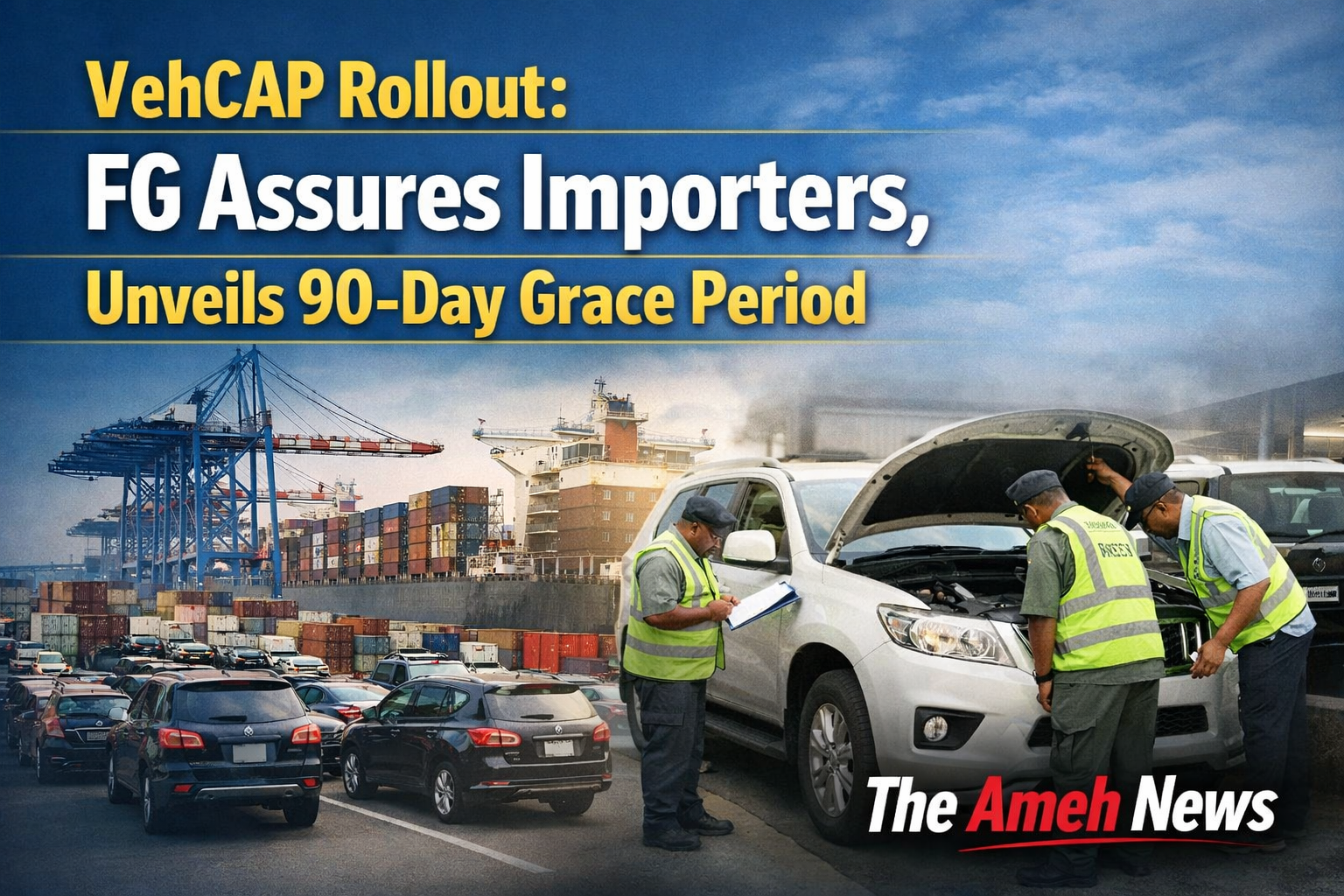
 The Standards Organisation of Nigeria (SON) and the National Automotive Design and Development Council (NADDC) have moved to allay growing concerns among vehicle importers and industry stakeholders over the implementation of the Vehicle Conformity Assessment Programme (VehCAP), assuring that the policy will not disrupt trade or create bottlenecks at the nation’s ports.
In an official joint statement issued on behalf of the Federal Government, both agencies clarified that VehCAP is a strategic enhancement of existing regulatory frameworks rather than a sudden or burdensome policy shift. The initiative, they explained, is designed to strengthen quality assurance, improve safety standards, and streamline processes within Nigeria’s automotive importation ecosystem.
The clarification comes amid anxiety within the auto trade value chain, with importers expressing fears that vehicles lacking VehCAP certification could be seized or delayed indefinitely at ports, potentially worsening congestion and increasing costs.
Addressing these concerns directly, SON and NADDC assured that vehicles imported without VehCAP certification will not be stranded at entry points. Instead, such vehicles will be processed through the usual customs clearance channels. However, importers will be required to subject them to mandatory in-country inspection and conformity verification at approved testing facilities.
“Upon successful verification, the appropriate certification documents will be issued to enable seamless vehicle registration and licensing,” the agencies stated, emphasising that the process is structured to balance regulatory compliance with trade facilitation.
VehCAP is primarily built around a pre-shipment verification system, requiring exporters and importers to ensure that vehicles meet Nigerian standards before departure from the country of origin. Authorities say this approach will significantly reduce the influx of substandard, accident-prone, or environmentally unsafe vehicles into the Nigerian market.
Industry analysts note that the move aligns Nigeria with global best practices in automotive import regulation, where pre-shipment inspection is increasingly becoming the norm to safeguard consumers and infrastructure.
To ensure a smooth transition, the Federal Government has approved a 90-day grace period from the official commencement of the programme. During this window, vehicles without VehCAP certification will still be eligible for post-arrival conformity checks within Nigeria, allowing importers sufficient time to adapt to the new requirements.
“This transition period is critical to achieving compliance without disrupting ongoing trade activities,” the statement noted, adding that even after the grace period, provisions for destination inspection will remain available under defined circumstances.
Beyond compliance, the agencies stressed that the overarching goal of VehCAP is public safety. With Nigeria witnessing a steady influx of used vehicles—many of which fall below safety and environmental standards—regulators say stricter conformity checks are necessary to reduce road accidents, improve emission control, and protect consumers.
Recognising the importance of stakeholder engagement, SON and NADDC also announced the commencement of a nationwide sensitisation campaign. The outreach will target importers, car dealers, logistics operators, and the general public, providing guidance on compliance procedures and timelines.
Market watchers believe effective sensitisation will be key to the success of the programme, particularly in a sector where informal practices and information gaps often hinder policy adoption.
Reaffirming the government’s commitment to inclusive governance, the agencies welcomed public feedback and pledged continued dialogue with stakeholders to refine implementation strategies.
Ultimately, the Federal Government maintains that VehCAP is not a trade barrier but a quality control mechanism aimed at ensuring that only safe, roadworthy, and standards-compliant vehicles are introduced into Nigeria’s automotive market.
FG, SON and NADDC clarify VehCAP rollout, assuring importers of seamless port clearance, a 90-day transition window, and commitment to safer, standards-compliant vehicle imports.
Nigeria’s SON and NADDC reassure stakeholders that VehCAP will not disrupt vehicle imports, introduce a 90-day grace period, and mandate in-country inspection for non-certified vehicles to ensure safety and compliance.
Discover more from Ameh News
Subscribe to get the latest posts sent to your email.