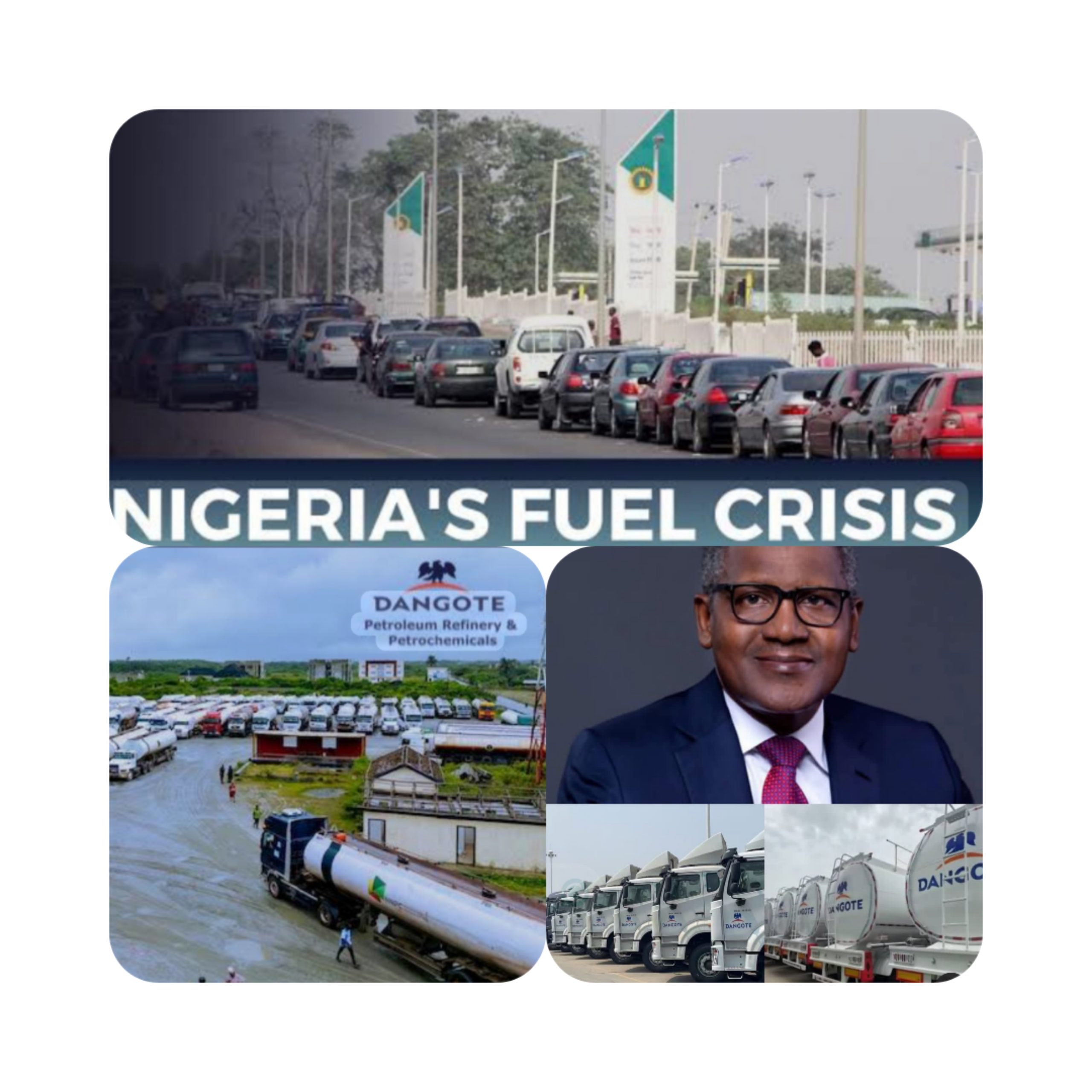
 The debate over Nigeria’s fuel policy has intensified following recent recommendations by the World Bank urging increased fuel importation and full liberalisation of the downstream petroleum sector, a position that has drawn sharp criticism from leading energy economist, Professor Ken Ife.
In a strongly worded reaction, Ife described the advice as “retrogressive, ill-conceived and inconsistent with Nigeria’s legal and economic realities,” warning that it could reverse hard-won progress toward energy independence and industrial growth.
The economist’s position comes amid growing national efforts to reduce reliance on imported petroleum products and strengthen local refining capacity, a cornerstone of Nigeria’s long-term economic strategy.
Speaking during a televised economic programme, Ife acknowledged that aspects of the World Bank’s Nigeria Development Update—particularly its macroeconomic outlook—were credible. However, he argued that its recommendation on fuel importation undermines Nigeria’s strategic direction and contradicts existing laws governing the oil and gas sector.
At the heart of his criticism is the Petroleum Industry Act (PIA), which mandates prioritisation of domestic crude supply to local refineries through the Domestic Crude Obligation framework. According to Ife, the law is clear in its intent to promote local refining, reduce import dependence and retain economic value within Nigeria.
“The recommendation to deepen fuel importation runs contrary to the PIA. It is not only a policy misstep but a legal inconsistency that could derail sectoral reforms,” he said.
Nigeria, Africa’s largest oil producer, has long grappled with the paradox of exporting crude oil while importing refined petroleum products due to inadequate refining capacity. However, recent investments—particularly by private sector players—are beginning to change that narrative.
Key among these is the expansion of refining infrastructure by Dangote Industries Limited, which industry analysts say could significantly reduce Nigeria’s dependence on imported fuel and potentially position the country as a net exporter of refined products in the near term.
Ife warned that encouraging renewed import dependence at such a critical juncture could discourage investment, weaken investor confidence and stall the growth of local refining capacity.
“We are building a system that can meet and even exceed domestic demand. Reverting to importation now would undermine that progress and expose the economy to external vulnerabilities,” he cautioned.
He further highlighted the risks associated with increased fuel imports, including exposure to global supply chain disruptions, exchange rate pressures and volatile international pricing dynamics. According to him, such vulnerabilities could exacerbate Nigeria’s already fragile macroeconomic environment.
On inflation and rising fuel costs, Ife dismissed arguments linking price instability to resource constraints. Instead, he pointed to policy inconsistencies and weak implementation of domestic supply frameworks as the primary drivers of market volatility.
“Fuel price pressures in Nigeria are largely policy-induced. If local refiners are given crude oil under transparent and legally backed terms, the market will stabilise naturally,” he explained.
The economist also took issue with the World Bank’s call for expanded social safety nets financed through borrowing, describing it as fiscally unsustainable. He argued that Nigeria’s legal framework allows borrowing mainly for capital projects and human development initiatives, not for consumption-based interventions.
“Borrowing to fund social distribution programmes is not sustainable. If support is required, it should come through structured grants rather than loans that increase debt burdens,” he said.
Ife maintained that Nigeria’s long-term economic stability lies in building strong domestic value chains, particularly in the energy sector, where refining and processing can drive job creation, industrialisation and foreign exchange earnings.
“The sustainable path is to deepen local production, not import dependency. Exporting crude and importing refined products is a cycle that drains value, exports jobs and weakens economic sovereignty,” he added.
The World Bank’s position has since sparked wider reactions across policy, industry and investment circles, with many stakeholders warning that a return to import-heavy strategies could erode recent gains in Nigeria’s refining sector and expose the economy to avoidable external shocks.
As the debate unfolds, analysts say the direction Nigeria ultimately takes will have far-reaching implications for its fiscal stability, energy security and broader economic transformation agenda.
Nigeria’s fuel policy debate heats up as energy expert Professor Ken Ife criticises World Bank’s push for increased fuel imports, warning it violates the Petroleum Industry Act and threatens local refining growth.
Energy economist Ken Ife faults World Bank’s recommendation on fuel importation, warning it contradicts Nigeria’s Petroleum Industry Act and could undermine local refining capacity and economic stability.
Discover more from Ameh News
Subscribe to get the latest posts sent to your email.